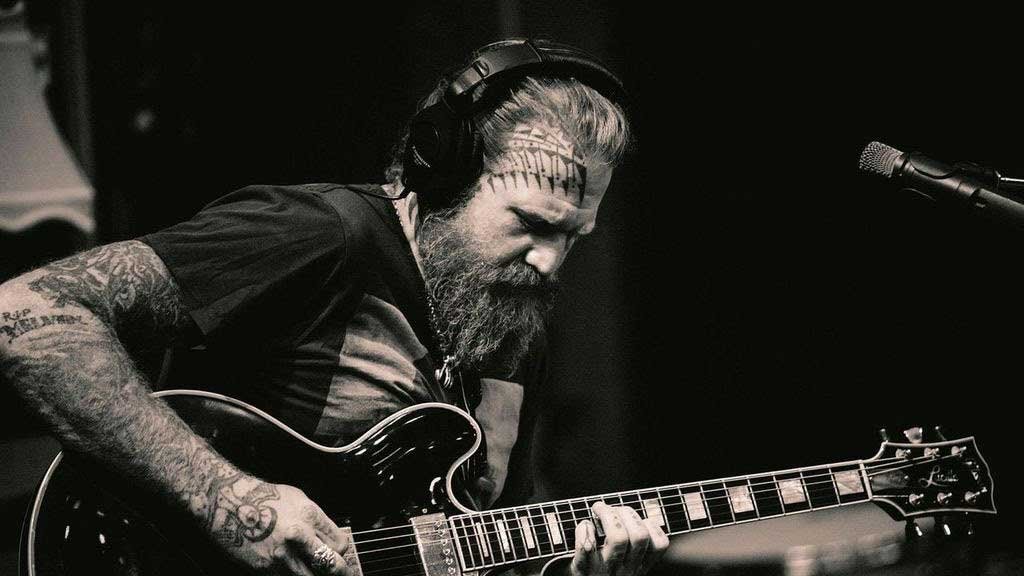
Introduction: The Guitar Wizard with Gaelic Blood
Brent Hinds—born January 16, 1974, in Ponte Vedra Beach, Florida—is one of those musicians who defies conventional categorization. As the lead guitarist and co-vocalist of Mastodon, he’s spent over two decades establishing himself as one of metal’s most innovative and unpredictable talents. With his intricate riffs, soaring melodies, and completely unhinged stage presence (the man once got in a bar fight before the Grammys, showed up with a black eye, and still performed brilliantly), Hinds represents metal at its most creative and authentic.
Mastodon burst onto the progressive metal scene with their 2002 debut “Remission,” showcasing a sound that was simultaneously brutal and sophisticated. Subsequent albums like “Leviathan” (a concept album about Moby Dick, because why not?), “Blood Mountain,” and “Crack the Skye” proved that heavy metal could be intellectually ambitious, technically virtuosic, and emotionally devastating all at once.
Influenced by legends like Jimmy Page and Tony Iommi, Hinds developed a guitar style that’s both technically brilliant and wildly creative. He doesn’t just play guitar—he conjures soundscapes, tells stories, creates atmospheres that transport listeners to other realms entirely. His solos can be beautiful and melodic one moment, chaotic and dissonant the next, often within the same song.
But here’s something fascinating about this Florida-born metal maverick: he carries Irish blood, and that heritage influences his music in ways both obvious and subtle. Irish ancestry might seem disconnected from progressive metal, but dig deeper and you’ll find remarkable parallels between Celtic cultural traditions and what Hinds does with Mastodon.
Irish culture has been telling epic stories for millennia—tales of mythological heroes, supernatural beings, battles between light and darkness, journeys through otherworldly realms. Irish music balances technical complexity with emotional depth, intricate patterns with raw feeling. Traditional Irish storytelling doesn’t shy away from darkness, death, or the supernatural—it embraces these themes while finding beauty and meaning within them.
Sound familiar? That’s essentially what Mastodon does. Their music explores mythology, death, transformation, otherworldly journeys—all themes deeply embedded in Irish folklore. Their compositions balance technical sophistication with emotional authenticity. They find beauty in darkness, meaning in chaos, transcendence in brutality.
So grab your beverage of choice (and given we’re discussing Irish heritage in metal context, I’m assuming it’s something appropriately strong), and let’s explore how a metal guitarist from Florida carries Celtic DNA, how Irish mythology and musical traditions might have influenced one of modern metal’s most distinctive voices, and why heritage matters even when you’re creating some of the most challenging, innovative music in contemporary metal.
Fair warning: this journey involves Irish mythology (complete with death, transformation, and supernatural beings), discussion of emigration and historical hardship, and exploration of how ancient storytelling traditions influence modern extreme music. Basically, it’s going to get delightfully dark and wonderfully nerdy. Perfect for both Irish culture and metal music.
The Hinds Heritage: Tracing Celtic Roots
Let’s start by acknowledging what we know about Brent Hinds’ Irish ancestry—because understanding his heritage means understanding the journey his ancestors made and the cultural values they carried across an ocean.
While specific genealogical details about the Hinds family’s Irish origins aren’t extensively documented publicly, Brent has spoken about his Irish heritage with evident pride. His family’s Irish roots connect him to a lineage that likely emigrated during the 19th or early 20th century—part of that massive wave of Irish people leaving due to famine, poverty, and limited opportunities.
The Great Famine (1845-1852) was the catalyst for the largest Irish emigration wave, killing over a million people and forcing another million to flee. But Irish emigration continued for decades afterward, driven by economic hardship, land scarcity, and the crushing poverty that British colonial policies had created and maintained.
Irish emigrants who came to America faced brutal challenges. “No Irish Need Apply” signs were common. They were considered racially inferior, religiously suspect (Catholic in a Protestant-dominated nation), and generally undesirable. Political cartoons depicted Irish people as ape-like and violent. They took dangerous jobs nobody else wanted—construction, railroad work, mining—for wages barely sufficient for survival.
But Irish immigrants had something remarkable: absolute refusal to break. That particularly Irish stubbornness that says “you haven’t beaten me yet, and you bloody well won’t.” They built communities, supported each other, maintained cultural identity despite every pressure to assimilate and disappear.
They also preserved stories. Irish culture has always used storytelling as survival tool—when written records are controlled by oppressors, oral tradition preserves history, culture, identity. Irish emigrants carried their mythology, their folklore, their musical traditions to America, passing them down through generations even as specific details faded.
The Hinds family’s Irish ancestors would have brought these cultural values with them: appreciation for storytelling, reverence for mythology, understanding of music as emotional and cultural expression, comfort with darkness and supernatural themes, and that particularly Irish ability to find beauty and meaning in struggle.
These values—passed down through family stories, cultural practices, and perhaps just absorbed through familial cultural DNA—would eventually reach Brent, who’d channel remarkably similar themes and approaches into progressive metal music.
Irish Mythology: The Perfect Metal Source Material
Here’s where Brent Hinds’ Irish heritage and Mastodon’s artistic approach align almost perfectly: Irish mythology is basically heavy metal waiting to happen.
Ancient Irish mythology is full of epic battles, supernatural beings, transformation narratives, journeys to otherworldly realms, heroes with tragic flaws, and conflicts between cosmic forces. The stories are violent, beautiful, weird, and deeply meaningful all at once—exactly like great progressive metal.
Take the Tuatha Dé Danann—the mythological race of deities and heroes in Irish folklore. These beings possessed supernatural powers, fought epic battles, and eventually retreated to the Otherworld (Tír na nÓg), becoming the fairy folk of later Irish tradition. Their stories involve transformation, magic, warfare, and the blurring of boundaries between physical and spiritual realms.
Hinds has referenced Irish mythology in his work, drawing inspiration from these ancient narratives. The themes resonate: heroic struggle, supernatural forces, transformation, the relationship between life and death, journeys through strange realms. These are Mastodon’s thematic bread and butter.
Irish mythology doesn’t sanitize death or violence—it confronts them directly while finding meaning within them. The Irish goddess Morrigan, associated with war and fate, appears as both beautiful woman and terrifying crow, embodying the duality of destruction and transformation. That comfort with darkness, with exploring difficult themes while finding beauty and meaning—that’s deeply Irish and deeply metal.
The legendary hero Cú Chulainn undergoes battle transformation (ríastrad) that makes him monstrous and superhuman simultaneously. His story is tragic—he dies young, bound to a standing stone, still fighting even as life leaves him. This narrative of transformation, of transcending human limitations while paying terrible price—that’s perfect metal subject matter.
Irish mythology also features thin places (caol áit)—locations where the boundary between physical world and Otherworld becomes permeable, where supernatural and natural overlap. Mastodon’s music often creates exactly this sensation: moments where normal reality seems to dissolve, where listeners access something beyond mundane experience.
The Voyage of Bran, the Cattle Raid of Cooley, the Children of Lir—these Irish mythological narratives feature exactly the kind of epic scope, emotional depth, supernatural elements, and tragic beauty that progressive metal explores. Hinds drawing from this cultural well makes perfect sense.
Celtic Musical Elements in Metal Context
Now let’s talk about how Irish musical traditions might influence Brent Hinds’ guitar work and Mastodon’s compositions—because the connections are more profound than you might think.
Traditional Irish music uses modal scales—Dorian, Mixolydian, Aeolian modes that create distinctive melodic character. These modes feel simultaneously ancient and emotionally resonant, creating melodies that seem to carry weight of centuries. Listen to Hinds’ melodic passages in songs like “The Czar,” and you can hear pentatonic and modal choices that evoke Celtic musical sensibilities.
Irish music emphasizes ornamentation—the way notes are approached, decorated, connected matters as much as the notes themselves. While metal guitar techniques differ from Irish fiddle or tin whistle ornamentation, the underlying philosophy is similar: notes aren’t just hit; they’re shaped, given character and emotion through execution.
Traditional Irish music features complex rhythmic patterns, shifting meters, and polyrhythmic elements. Irish dance music (jigs, reels, hornpipes) uses intricate rhythmic structures that create driving energy. Mastodon’s progressive tendencies—comfort with odd time signatures, rhythmic complexity, willingness to shift feels within songs—could reflect similar aesthetic appreciation for rhythmic sophistication.
Irish music balances technical virtuosity with emotional authenticity. Traditional Irish musicians spend years, often decades, mastering their instruments—but technique serves expression rather than replacing it. The goal isn’t displaying speed or precision for its own sake; it’s conveying emotion, telling stories, creating connection.
Hinds’ guitar work embodies this philosophy perfectly. He’s technically brilliant—capable of intricate, complex playing that would challenge any guitarist. But technique serves the music. His solos aren’t just displays of speed and precision; they’re emotional narratives, journeys told through notes. That’s very Irish: valuing skill while insisting it must serve deeper purpose.
Traditional Irish music also emphasizes dynamics—shifting between quiet, contemplative passages and intense, driving rhythms. Sessions build energy gradually, create tension and release, breathe rather than maintaining constant intensity. Mastodon’s compositional approach mirrors this: songs shift between atmospheric, melodic sections and crushing, brutal passages, creating dynamic journey rather than one-dimensional assault.
“The Czar,” “Oblivion,” and Celtic Echoes
Let’s get specific about how Irish musical influences might manifest in particular Mastodon songs—because once you hear it, you can’t unhear it.
“The Czar” (from “Crack the Skye”) features melodic passages that evoke distinctly Celtic sensibility. The use of pentatonic scales and modal choices creates melodies that feel ancient, mystical, emotionally resonant in ways that recall traditional Irish folk music. The song’s epic scope, its journey through different movements, its exploration of transformation and transcendence—these align with Irish narrative traditions.
The acoustic guitar passages in “The Czar” use arpeggiated patterns and melodic lines that wouldn’t sound out of place in Irish traditional music context. Hinds isn’t using actual Irish instruments or playing traditional Irish songs, but the melodic sensibility, the modal choices, the emphasis on creating atmosphere and emotional resonance—these echo Celtic musical traditions.
“Oblivion” features rhythmic strumming patterns reminiscent of Irish dance music—driving, energetic, propulsive. The song’s themes of struggle and transcendence, expressed through both brutal heaviness and soaring melody, mirror thematic approaches found in Irish folk songs that balance darkness with beauty, hardship with hope.
Throughout Mastodon’s discography, you can find moments where Hinds’ guitar work seems to channel Celtic sensibilities: modal melodies that feel ancient, rhythmic patterns that recall traditional dance music, dynamic shifts between contemplative and intense passages, emphasis on atmosphere and emotional resonance alongside technical complexity.
These aren’t obvious Celtic metal moments with tin whistles and bodhráns. They’re subtler—influences absorbed and transformed, cultural DNA expressing itself through different musical medium. Hinds isn’t trying to sound Irish; he’s drawing from Irish musical traditions while creating something entirely his own.
Irish Storytelling Tradition Meets Progressive Metal Narratives
Beyond specific musical elements, Irish cultural traditions around storytelling profoundly align with what Mastodon does lyrically and conceptually.
Irish storytelling emphasizes epic scope, emotional depth, symbolic resonance, and comfort with darkness and supernatural themes. Irish tales don’t shy away from death, violence, transformation, or the weird—they embrace these elements while finding meaning within them.
Mastodon’s concept albums follow similar approach. “Leviathan” retells Moby Dick through metal lens—an epic tale of obsession, destruction, man versus nature. “Crack the Skye” explores out-of-body experiences, astral travel, Rasputin’s murder—weird, ambitious, deeply symbolic narrative.
This willingness to tackle ambitious, complex narratives rather than simple song-by-song approach reflects Irish storytelling tradition. Irish myths are lengthy, complex, multi-layered—they require investment, reward close attention, operate on multiple symbolic levels simultaneously.
Irish storytelling also emphasizes emotional authenticity and finding universal truths in specific stories. The best Irish tales feel simultaneously particular (rooted in Irish landscape, culture, history) and universal (exploring fundamental human experiences and emotions). Mastodon’s music works similarly—specific in its imagery and narratives, universal in its emotional resonance.
The Irish comfort with darkness, death, and supernatural themes without becoming nihilistic or hopeless also aligns with Mastodon’s approach. Irish mythology confronts mortality directly—heroes die, often tragically—but finds meaning, beauty, transcendence within that darkness. Mastodon’s music is often brutal and dark, but it’s not nihilistic; it finds beauty, meaning, even hope within darkness.
Irish oral tradition also emphasizes performance—how story is told matters as much as what story is told. Energy, emotion, connection with audience, ability to transport listeners to other realms—these matter enormously. Hinds’ live performances embody this: he’s not just executing songs; he’s channeling something, creating experience, transporting audiences.
Engaging with Irish Music Community
Brent Hinds’ Irish heritage has created connections with Irish music communities and opportunities to engage with Celtic musical traditions directly.
Hinds has collaborated with musicians who share Irish heritage or interest in Celtic music, blending heavy metal with folk elements that honor his roots. These collaborations aren’t just musical experiments; they’re cultural engagement, ways of honoring heritage while exploring creative possibilities.
His acoustic performances sometimes feature elements that harken back to traditional Irish music—fingerstyle guitar patterns, modal melodies, emphasis on storytelling through instrumental voice. These moments showcase respect for Celtic musical traditions while demonstrating their compatibility with Hinds’ metal sensibilities.
Live performances occasionally include acoustic segments or storytelling elements that connect to Irish folklore and cultural traditions. These aren’t gimmicks; they’re genuine expressions of cultural connection, ways of sharing heritage with audiences while educating them about Irish cultural contributions to modern music.
The Irish metal community has embraced Hinds and Mastodon enthusiastically. Irish metal fans recognize the Celtic influences in his work, appreciate his acknowledgment of Irish heritage, and celebrate the representation. There’s sense of kinship—”he’s one of us”—that creates particularly intense connection.
Ireland has vibrant metal scene that often incorporates Celtic elements. Bands like Primordial, Cruachan, and others have pioneered Celtic metal, demonstrating how Irish heritage and extreme music can combine to create something distinctive. Hinds exists within this broader tradition, even when his approach is less explicitly Celtic.
The cross-pollination between traditional Irish music and metal continues evolving. As more musicians acknowledge and explore their Irish heritage, as audiences develop appreciation for how different cultural traditions inform metal aesthetics, the connection between Celtic culture and heavy music deepens.
Fan Reception: When Metal Meets Mythology
Mastodon fans have responded enthusiastically to the Irish mythological and musical influences in the band’s work, creating community that values cultural depth alongside musical complexity.
Discussions about Mastodon frequently highlight mythological references, Celtic influences, and storytelling sophistication. Fans who appreciate Irish culture particularly value Hinds’ heritage and how it informs the music, creating additional layer of connection and appreciation.
Some fans engage deeply with Irish mythology specifically to understand Mastodon’s references better. The band has inadvertently educated audiences about Tuatha Dé Danann, Celtic cosmology, Irish folklore—creating interest in Irish culture that extends beyond music.
Concert experiences sometimes become spaces where cultural appreciation manifests. While fans aren’t showing up in kilts or engaging in Irish dancing (though that would be amazing), there’s recognition and celebration of Celtic influences that enriches the experience.
The integration of Irish mythology within Mastodon’s lyrics creates opportunities for deeper engagement. Fans explore the stories referenced, research Celtic traditions, develop appreciation for cultural narratives that might otherwise remain unfamiliar. This educational aspect matters—it preserves and transmits cultural knowledge.
Metal culture generally values authenticity and cultural depth. Bands that draw from genuine cultural heritage rather than superficial appropriation earn respect. Hinds’ Irish ancestry provides authentic foundation for Celtic influences, which fans recognize and appreciate.
The community that’s formed around Mastodon values complexity—musical, lyrical, conceptual. The Irish mythological influences add another dimension of complexity to explore, analyze, appreciate. For fans who love depth and substance, these cultural elements enrich the overall experience.
Personal Reflections: Hinds on Heritage
Brent Hinds has spoken about his Irish heritage with genuine pride and appreciation for how it influences his identity and artistry.
In interviews, he’s discussed family stories passed down through generations—anecdotes from grandparents about Irish life, emigration experiences, cultural traditions maintained in America. These weren’t just historical facts; they were personal connections to heritage, ways of understanding family identity.
Hinds has specifically mentioned how Irish musical traditions influence his approach to composition and performance. The melodic sensibilities, the storytelling emphasis, the comfort with darkness and supernatural themes—these aren’t just aesthetic choices; they’re cultural inheritance.
He’s drawn explicit connections between ancestral struggles and themes in his music. The resilience his Irish ancestors exhibited—surviving famine, emigration, discrimination—resonates with musical explorations of struggle, survival, transcendence. Heritage provides emotional and thematic foundation.
Hinds has also participated in cultural events celebrating Irish heritage, using opportunities to express this aspect of identity publicly. Whether performing at Irish festivals or collaborating with artists who share Celtic roots, he embraces chances to honor heritage through music.
His engagement with Irish mythology isn’t academic or superficial—it’s personal. These stories connect him to ancestral culture, provide rich source material for artistic expression, and create bridge between past and present.
The responsibility to honor those who came before motivates Hinds’ artistic work. He’s not just making music for entertainment; he’s preserving and transmitting cultural legacy, ensuring that Irish storytelling traditions survive in new forms for new generations.
Conclusion: The Legacy Continues
So what have we learned from exploring Brent Hinds’ Irish ancestry? Perhaps most importantly, that cultural heritage provides creative foundation—mythology, musical traditions, storytelling approaches, comfort with darkness—that enriches artistry in profound ways.
Brent’s Irish roots connect him to cultural traditions that align remarkably well with progressive metal aesthetics. Irish mythology’s epic scope, supernatural elements, and comfort with darkness translate perfectly to metal context. Celtic musical traditions—modal scales, rhythmic complexity, dynamic range, emphasis on technique serving expression—inform his guitar work and compositional approach.
The journey from famine-era Ireland to Mastodon’s progressive metal mastery spans generations and involves enormous cultural preservation effort. Hinds’ Irish ancestors couldn’t have imagined their descendant would create crushing riffs exploring Celtic mythology for international audiences, but they’d recognize the values: storytelling as cultural preservation, finding beauty in darkness, technical mastery serving deeper purpose, maintaining cultural identity through artistic expression.
How does Irish heritage influence a metal guitarist? Through channels both obvious and subtle. The mythological references are explicit—drawing directly from Celtic folklore. The musical influences are subtler—modal choices, rhythmic patterns, dynamic approaches that echo traditional Irish music. The storytelling tradition is fundamental—epic narratives, emotional depth, symbolic resonance.
For those of us with Irish ancestry (or any cultural heritage), Hinds’ story reminds us that heritage provides creative wells to draw from, cultural perspectives to explore, ancestral wisdom to honor. Those Irish ancestors who survived famine, crossed oceans, maintained cultural identity through displacement—their courage and determination live on in descendants who create beauty, tell stories, and refuse to let cultural traditions die.
So here’s to Brent Hinds—guitar wizard, mythological storyteller, and carrier of Celtic cultural DNA that informs some of modern metal’s most innovative music.
Here’s to the Hinds family, who preserved Irish heritage across generations and oceans.
Here’s to Irish mythology, which provides endless inspiration for artists willing to dive into its depths.
And here’s to all of us with Irish ancestry, whether we’re creating progressive metal or living ordinary lives—may we honor our ancestors by telling their stories, preserving their cultural wisdom, and finding beauty and meaning even in darkness.
As the Irish would say: Sláinte to heritage, to the mythological traditions surviving through modern artistic expression, to the musical sensibilities persisting across centuries and genres, and to the storytelling that transforms personal and cultural history into something transcendent.
Now if you’ll excuse me, I need to listen to Mastodon while reading about Tuatha Dé Danann, because Brent’s made both look far too compelling to ignore—and I suspect that’s exactly what his Irish ancestors would have wanted: descendants who preserve cultural traditions by transforming them into new art forms that honor the past while creating the future.
Erin go Bragh—Ireland forever, even when the music is progressive metal rather than traditional folk, even when heritage manifests through crushing riffs and mythological narratives rather than literal Celtic instrumentation. The spirit persists where we honor it, and few things honor the Irish love of epic storytelling, technical mastery, and finding beauty in darkness better than what Brent Hinds does with Mastodon.
\m/
Shop new arrivals
-
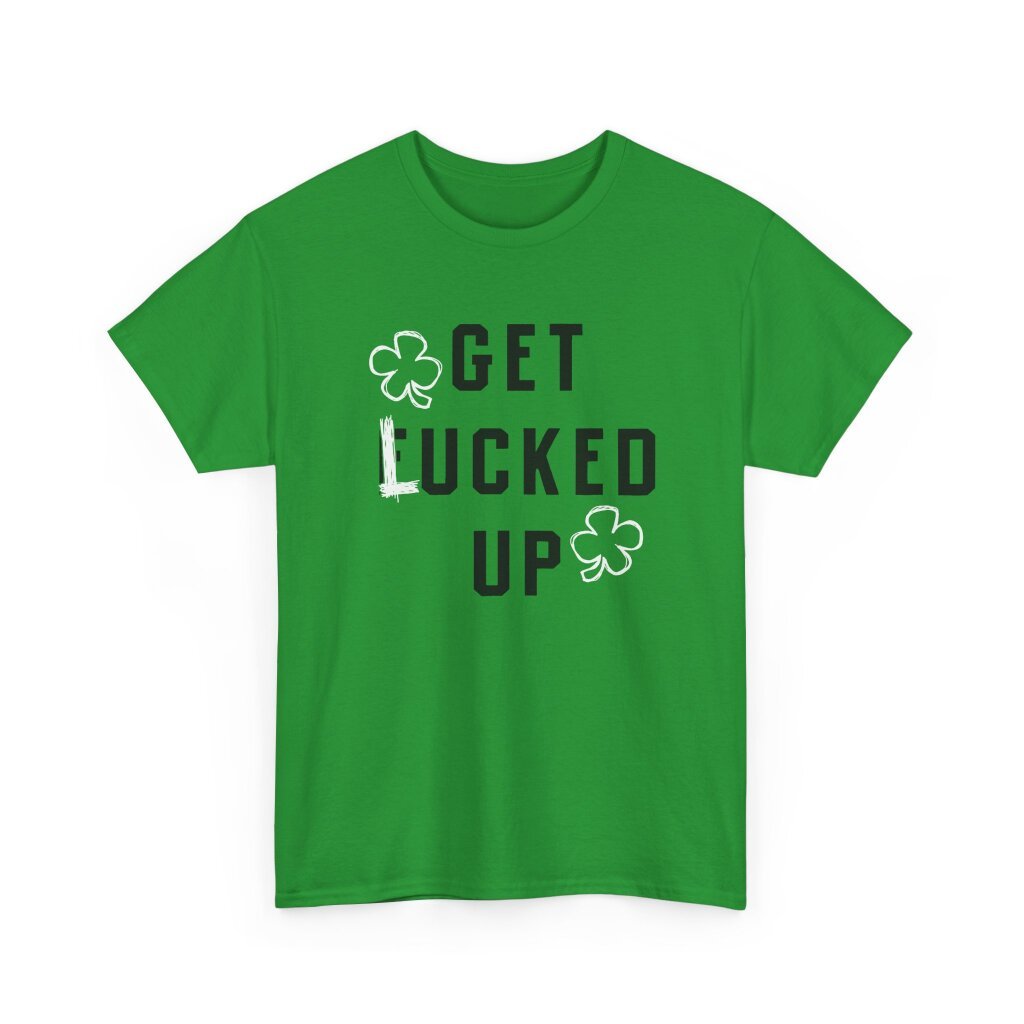
“Get Lucked Up” Unisex T-Shirt – Shamrock Shenanigans
Price range: $19.99 through $25.99 -
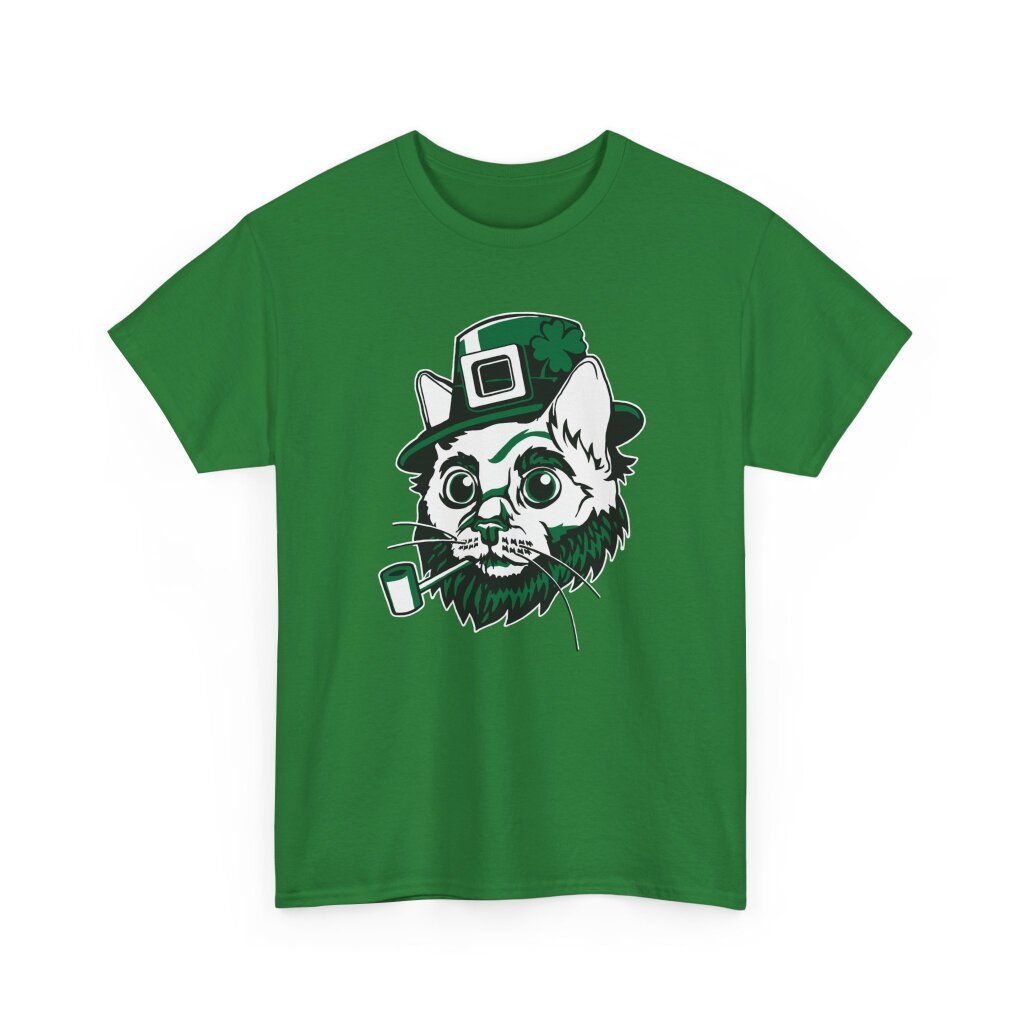
“Leprechaun Cat” Unisex T-Shirt – Purrfectly Lucky
Price range: $19.99 through $25.99 -

4-Leaf Clover USA Flag Unisex T-Shirt – Irish American Pride Tee in Green for Heritage & Gifting
Price range: $22.99 through $27.89 -

American Grown with Irish Roots Unisex T-Shirt – USA & Ireland Flag Heritage Tee
Price range: $22.99 through $27.89 -

Biting Lip Irish Pop Art Unisex T-Shirt – Sexy Green Shamrock Tee with Glitter Vibes
Price range: $22.99 through $27.89