
From Irish Roots to NFL Stardom
Picture Kyle Brady on the football field—6’6″, 280 pounds of controlled power, blocking defensive ends twice as strong as normal humans, catching passes in traffic where lesser players fear to venture, doing the unglamorous work that makes offenses function but rarely makes highlight reels. This is tight end football at its finest: combination of brute strength and surprising grace, of selfless blocking and opportunistic receiving, of being equally comfortable destroying defenders and catching touchdown passes.
But here’s what the stat sheets and game films don’t reveal: Brady carried Ireland onto NFL fields for 11 seasons, channeling heritage from generations of Irish immigrants into work ethic and team-first mentality that defined his career. Born September 14, 1972, in New Lenox, Illinois, raised in New Brunswick, New Jersey, he inherited from Irish-American parents not just genetic advantages (though the size helps) but cultural values that would shape everything about his approach to football and life.
His parents, both of Irish descent, didn’t just casually acknowledge heritage—they lived it, celebrated it, transmitted it. His father told stories of childhood in Ireland, kept alive connection to homeland that physical distance threatened to erase. His mother emphasized education and community ties, treating cultural identity as treasure to preserve rather than embarrassment to overcome. They celebrated St. Patrick’s Day not as excuse for drinking but as affirmation of identity, as reminder of who they were and where they came from.
Brady absorbed this before he understood it consciously. The Irish values his parents embodied—hard work without complaint, team before self, resilience in face of hardship, pride in heritage that doesn’t require constant proclamation—these became his operating system, the invisible framework that shaped every choice he made on and off the field.
His football journey began at Penn State, where he was vital part of Nittany Lions’ offense, helping lead team to memorable 1995 Rose Bowl appearance. His college success caught NFL scouts’ attention, resulting in selection as ninth overall pick in 1995 NFL Draft by New York Jets—significant achievement that validated years of work and set stage for 11-year professional career spanning Jets, Jacksonville Jaguars, and New England Patriots.
Throughout his career, Brady earned reputation not for flashy statistics but for reliable hands, exceptional blocking, and football intelligence that allowed him to adjust seamlessly to various offensive schemes. He wasn’t superstar—tight ends rarely are—but he was professional, team player, guy coaches trusted and teammates respected. These qualities, more than any individual achievement, define his legacy and trace directly to Irish values instilled by his family.
The Great Migration’s Athletic Offspring
To understand Brady’s Irish heritage is to understand why Irish families came to America in waves during 19th and early 20th centuries. This wasn’t vacation or adventure—it was survival response to catastrophic circumstances. British colonial policies had systematically impoverished Ireland, creating conditions where staying meant accepting poverty as permanent state.
Economic opportunity in Ireland was severely limited, particularly for Catholic Irish who faced legal discrimination and systematic exclusion from better-paying positions. Young people looked around and saw futures of grinding poverty or emigration to places that might offer something better. Most chose emigration, joining millions who left Ireland seeking survival in America, Australia, Canada—anywhere that wasn’t Ireland.
Brady’s Irish ancestors made this choice, arriving in America with nothing but hope and determination, facing “No Irish Need Apply” discrimination that treated Irish Catholics as barely acceptable immigrants. They took whatever jobs they could get—brutal labor that broke bodies but earned enough to survive. They built communities in American cities and towns, established churches and social networks, preserved Irish culture while adapting to American reality.
The immigrant experience carved itself into family DNA. You don’t forget being unwanted. You don’t forget working crushing hours for minimal recognition. You don’t forget that success required proving yourself constantly because Irish surname meant people assumed less of you. These memories got transmitted across generations—not always through explicit stories but through values, through particular way families understood work and success and obligation to those who came before.
By the time Brady was born in 1970s, Irish-Americans had mostly achieved respectability and middle-class status. But the values remained: work ethic that assumed you’d have to work harder than others to get same recognition, team loyalty because that’s how Irish communities survived discrimination, resilience because Irish history taught that hardship is inevitable but defeat is optional, pride in heritage that doesn’t require constant assertion but refuses erasure.
Family Gatherings: Where Culture Lives
Irish-American families have always understood something crucial: culture survives through practice, not preservation. You can’t maintain Irish identity by visiting museums or reading books—you maintain it by living Irish values, celebrating Irish traditions, keeping alive the stories and customs that define who you are.
Brady’s family embodied this understanding. Their St. Patrick’s Day celebrations weren’t just parties—they were cultural affirmations, times when being Irish was actively celebrated rather than passively acknowledged. Family gathered, stories got told, connection to Ireland got reinforced. These weren’t performative displays for outsiders but genuine expressions of identity for themselves.
Christmas and other holidays similarly became occasions for cultural transmission. The family feasts, the storytelling traditions, the emphasis on gathering together rather than just exchanging gifts—all of this reflected Irish understanding that family bonds are sacred, that community matters more than individual achievement, that staying connected to your people is moral obligation not optional nicety.
These gatherings taught Brady lessons he couldn’t have learned elsewhere. He absorbed Irish storytelling tradition—the way narratives get embellished through repeated telling, the understanding that how you tell story matters as much as what story says, the recognition that shared stories create bonds that persist across time and distance.
He learned about Irish humor—the sarcasm, the ability to express affection through mockery, the finding of absurdity in serious situations. This humor serves crucial function: it creates connection while maintaining emotional distance, allows vulnerability while preserving dignity, makes hardship bearable without denying it hurts.
Most importantly, he learned about Irish values around family and community. Success matters, but not as much as maintaining relationships with people who matter. Individual achievement is good, but not if it comes at expense of team or family. Pride is fine, but humility matters more. These lessons would shape everything about his football career.
The Irish Work Ethic: Football’s Perfect Match
Irish culture developed particular understanding of work out of necessity. When you’re immigrant facing discrimination, when opportunities are limited and competition is fierce, when Irish surname means people assume less of you—you learn that work ethic matters more than talent, that consistency trumps brilliance, that showing up and doing job well creates respect that nothing else can generate.
This Irish immigrant work ethic—show up early, work harder than required, never complain, prove worth through action rather than words—maps perfectly onto football, particularly at positions like tight end where glamour is scarce and grinding work is constant.
Tight end is football’s most versatile position. You block defensive ends who outweigh you by 50 pounds. You run routes against linebackers faster than you and safeties more agile. You catch passes in traffic where getting destroyed is guaranteed. You do all this while knowing that successful game for you might mean zero catches but excellent blocking that nobody notices except coaches studying film.
This requires particular mentality—team-first thinking, willingness to do unglamorous work, pride in execution rather than statistics, understanding that your value isn’t measured in highlight-reel plays but in consistent performance that makes offense function. This is Irish immigrant mentality translated to football: you do job well, you don’t complain, you take pride in work regardless of whether anyone notices.
Brady embodied this throughout his career. He wasn’t flashiest tight end, didn’t put up monster receiving numbers, wasn’t getting endorsement deals or Pro Bowl selections. But he was reliable, coachable, intelligent, tough—guy who did job well every week, who adjusted to different offensive schemes seamlessly, who blocked with enthusiasm and caught passes when called upon.
This consistency, this professional approach to unglamorous work, this pride in doing job well regardless of recognition—this is Irish heritage made manifest on football field. Brady’s work ethic traced directly to values instilled by Irish-American family that understood success requires dedication, that respect is earned through consistent performance, that doing job well matters more than getting credit for it.
Team Before Self: The Irish Understanding
Irish culture has always emphasized collective over individual. This emerged partly from necessity—Irish communities facing discrimination survived through mutual support, through looking out for each other, through understanding that individual success meant little if community failed. But it also reflects deeper Irish values about what matters in life.
In Irish tradition, individual achievement is good, but not as good as collective success. Personal glory is fine, but not as fine as team victory. Being best player matters less than being good teammate. These values seem almost designed for team sports, where individual talent matters less than collective execution, where personal statistics mean nothing if team loses.
Brady’s entire career demonstrated this Irish team-first mentality. Tight ends often want more passes thrown their way—they’re usually former receivers or quarterbacks, athletically gifted players who could be stars if given more opportunities. Brady never complained about role, never demanded ball more, never put individual statistics ahead of team success.
He blocked enthusiastically even though blocking doesn’t show up in stat sheets. He ran routes to clear out defenders for other receivers even when he knew pass wasn’t coming to him. He mentored younger players even though helping them might reduce his own playing time. This selflessness, this genuine commitment to team over self, reflects Irish understanding that you’re part of something larger than yourself, that your role matters even when invisible, that collective success is what actually counts.
This mentality made Brady valuable beyond his statistics. Coaches trusted him because they knew he’d do whatever was asked without complaint. Teammates respected him because he never put himself ahead of team. Organizations valued him because he made everyone around him better through example and leadership.
Resilience: The Irish Superpower
Irish history is catalog of hardship overcome: colonization, famine, systematic oppression, forced emigration. But Irish culture isn’t defined by victimhood—it’s defined by resilience, by refusal to let circumstances destroy spirit, by determination to survive and eventually thrive despite obstacles that would crush lesser people.
This resilience became Irish cultural value transmitted across generations. You don’t quit when things get hard. You don’t accept defeat as final. You keep working, keep fighting, keep believing that persistence eventually pays off. This isn’t naive optimism—it’s hard-earned wisdom from people who survived impossible circumstances through sheer stubborn refusal to give up.
Brady’s career demonstrated this Irish resilience repeatedly. Football is brutal sport where injuries are inevitable, where career can end on any play, where younger players are always competing for your job. Staying in NFL for 11 seasons requires not just talent but toughness—physical toughness to play through pain, mental toughness to handle disappointment, emotional toughness to keep working when circumstances suggest quitting would be reasonable.
Brady suffered injuries but came back. He lost starting job at times but kept working to reclaim it. He faced competition from younger players but proved his value through consistent performance. This persistence, this refusal to accept defeat as final, this determination to keep working regardless of setbacks—this is Irish resilience channeled through football career.
The ability to persevere when circumstances are difficult, to maintain work ethic when rewards aren’t immediate, to believe that consistent effort eventually produces results even when evidence suggests otherwise—these are Irish cultural gifts, survival wisdom passed down from ancestors who endured hardships that would destroy people who lacked this resilience.
Cultural Ambassador in Cleats
Brady didn’t make Irish heritage central to public persona—he wasn’t wearing shamrocks on helmet or doing interviews about being Irish-American. But he represented Irish culture through actions rather than words, through embodying values that Irish tradition prizes: hard work, team loyalty, resilience, humility, consistency.
His participation in cultural events when schedule allowed, his support for Irish cultural organizations, his willingness to engage with Irish-American community—these demonstrated that heritage mattered to him, that he took seriously the obligation to honor ancestors who sacrificed so he could have opportunities they never imagined.
He used his platform as professional athlete to promote Irish culture not through grand gestures but through quiet example. Young Irish-American athletes could look at Brady and see that you could be thoroughly American, succeed at highest levels of American sport, while still honoring Irish heritage. You didn’t have to choose between Irish identity and American success—you could embody both, draw from both, let each enrich the other.
This matters because representation shapes how communities see themselves and are seen by others. When successful athletes acknowledge and honor ethnic heritage, it validates that heritage for entire community, tells younger generation that cultural identity is strength rather than liability, demonstrates that you can succeed without erasing where you came from.
The Social Media Storyteller
In later years of career and beyond, Brady used social media to share insights about Irish heritage, posting about family traditions, Irish culture, connections between athletic values and Irish cultural values. These posts weren’t performative or calculating—they were genuine expressions of identity, attempts to share something meaningful with followers.
Through engaging posts and storytelling, he cultivated following that appreciated not just athletic achievements but cultural narratives underlying them. He demonstrated how sports and culture intersect, how athletic excellence can be rooted in cultural values, how understanding athlete’s heritage enriches appreciation of their achievements.
This willingness to be public about heritage, to share stories and traditions and values, made Brady more than just football player—it made him cultural ambassador, bridge between Irish-American community and broader sports world. He showed that you could be serious athlete while celebrating cultural identity, that heritage enhances rather than distracts from athletic career.
Why His Story Matters
Kyle Brady never won Super Bowl, never made Pro Bowl, never put up statistics that will land him in Hall of Fame. By conventional measures of NFL success, he was good player but not great one, professional who had solid career but not legendary one.
But by different measures—by measuring impact on teammates, by valuing consistency over flash, by appreciating unglamorous work that makes teams function—Brady’s career looks different. He was player coaches trusted, teammate others respected, professional who did job well for 11 seasons in league where average career lasts barely three years.
His Irish heritage shaped all of this. The work ethic instilled by Irish-American family, the team-first mentality reflecting Irish communal values, the resilience born from understanding Irish history, the humility that comes from knowing your ancestors faced harder challenges than anything football presents—these cultural gifts made Brady the player and person he became.
His story matters because it demonstrates that heritage isn’t just background information or genealogical curiosity. It’s living influence that shapes values, informs choices, creates foundation for achievement. Understanding Brady’s Irish roots enriches appreciation of his career, reveals patterns and principles that might otherwise remain invisible.
It also matters for Irish-American community, particularly young athletes seeking role models. Brady proved you could succeed at highest levels of American sport while honoring Irish heritage, that cultural identity is strength rather than limitation, that values passed down from Irish immigrant ancestors remain relevant in contemporary athletic competition.
The Legacy Lives On
Brady’s playing career ended in 2006, but his influence continues. The lessons he embodied—work hard without complaint, put team before self, persevere through difficulty, take pride in doing job well regardless of recognition—these remain relevant for every athlete, particularly those at positions like tight end where glamour is scarce and grinding work is constant.
His example shows younger Irish-American athletes that honoring heritage while pursuing athletic excellence isn’t just possible but advantageous. The values Irish culture prizes—resilience, work ethic, team loyalty, humility—these translate directly into athletic success. You don’t succeed despite Irish heritage; you succeed partly because of it, drawing strength from cultural values that create foundation for achievement.
From Irish immigrants fleeing poverty to New Jersey family maintaining cultural traditions to NFL tight end embodying Irish values on football fields across America—the journey represents cultural transmission working exactly as it should. Values carried from Ireland across generations, finding expression in unexpected contexts, proving their relevance in circumstances ancestors never imagined.
Brady’s career demonstrates that heritage enriches rather than limits, that knowing where you came from helps you become who you’re meant to be, that cultural values aren’t outdated burdens but timeless gifts. Every block he threw, every catch he made, every day he showed up and did job well—he was honoring Irish heritage whether or not anyone recognized it.
And that matters. Not just for Brady, not just for Irish-Americans, but for everyone navigating complex relationship between cultural heritage and contemporary achievement. His story proves that you don’t have to choose, don’t have to erase past to succeed in present, don’t have to abandon cultural identity to achieve American dream.
The tight end with Irish soul played 11 NFL seasons carrying heritage his ancestors brought from Ireland, proving that some gifts keep giving across generations, some values remain relevant despite changing contexts, and some identities are too precious to lose, too powerful to ignore, too essential to who we are to ever abandon.
From Ireland to America to NFL to legacy that continues inspiring—Kyle Brady’s journey shows that heritage honored becomes strength utilized, that cultural values preserved become advantages deployed, that knowing your roots helps you reach heights your ancestors could barely imagine but would absolutely recognize as extension of everything they taught about work, team, resilience, and pride that requires no announcement because it’s woven into everything you do.
That’s not just football career—that’s cultural legacy, proof that Irish gifts for hard work and team loyalty and stubborn persistence translate across any context, create success in any field, matter as much today as they did when Irish immigrants first arrived in America carrying nothing but these values and determination to prove their worth.
Kyle Brady proved their worth. Every block. Every catch. Every season. Every moment he embodied Irish values while excelling at American sport. The heritage lives on, the story continues, and the lessons remain: work hard, stay humble, put team first, never quit, honor where you came from, and let cultural values guide you toward becoming everything you’re capable of being.
That’s the tight end’s gift to everyone who knows that heritage matters, that culture shapes us, and that the best of who we are often traces back to where we came from—if we’re wise enough to recognize it, grateful enough to honor it, and brave enough to let it guide us.
Shop new arrivals
-

“Get Lucked Up” Unisex T-Shirt – Shamrock Shenanigans
Price range: $19.99 through $25.99 -
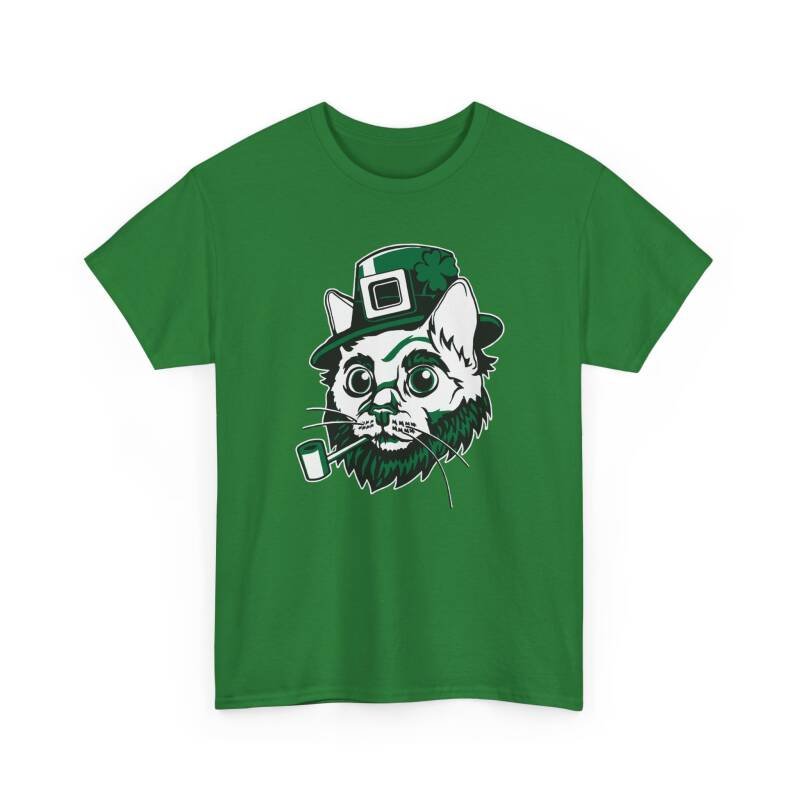
“Leprechaun Cat” Unisex T-Shirt – Purrfectly Lucky
Price range: $19.99 through $25.99 -

4-Leaf Clover USA Flag Unisex T-Shirt – Irish American Pride Tee in Green for Heritage & Gifting
Price range: $22.99 through $27.89 -

American Grown with Irish Roots Unisex T-Shirt – USA & Ireland Flag Heritage Tee
Price range: $22.99 through $27.89 -

Biting Lip Irish Pop Art Unisex T-Shirt – Sexy Green Shamrock Tee with Glitter Vibes
Price range: $22.99 through $27.89