When Irish Storytelling Meets American West
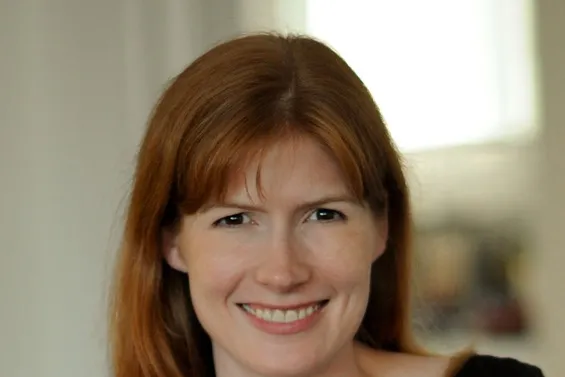
Maile Meloy doesn’t write Irish stories in obvious way—no leprechauns, no shamrocks, no characters speaking with brogues. Born in 1972 in Helena, Montana, she crafts narratives set primarily in American West, exploring families navigating complex relationships and moral ambiguities in landscapes of mountains and prairies. Her debut collection “Half in Love” garnered PEN/Hemingway Award nomination. Novels like “Liars and Saints” and “A Family Daughter” established her as literary force, writer whose spare prose and emotional precision create stories that feel simultaneously intimate and universal.
But here’s what the Montana settings and contemporary American stories obscure: Meloy carries Ireland in her narrative DNA, channeling heritage through generations to create storytelling sensibility that’s distinctly Irish even when characters are thoroughly American. Her Irish ancestry shapes not what she writes about but how she writes—the emphasis on family as both sanctuary and prison, the comfort with moral ambiguity, the understanding that identity is complicated negotiation between where you’re from and who you want to be, the belief that storytelling reveals truths that facts alone cannot.
She graduated from University of California, Davis, honing craft under mentors who recognized her talent for blending realism with hints of fantastic, for creating characters whose ordinary lives contain extraordinary emotional complexity. Her writing exhibits Irish gift for finding profound in mundane, for treating everyday family dramas with same seriousness that others reserve for epic events, for understanding that small choices have large consequences.
Her Irish roots—traced through family histories, census records, oral traditions passed down through generations—connect her to counties in Ireland where her ancestors lived before emigrating to America. These weren’t wealthy families fleeing political persecution; they were ordinary people seeking survival in America when Ireland offered no futures worth staying for. They brought with them Irish values, Irish storytelling traditions, Irish understanding of family bonds as both strength and burden.
By the time Maile was born in 1970s Montana, explicit connection to Ireland had faded—family was American, thoroughly and completely. But Irish patterns persisted: the emphasis on family stories, the comfort with emotional complexity, the understanding that belonging is complicated rather than simple, the appreciation for storytelling as essential human activity rather than mere entertainment.
The Irish Storytelling Gene: Narrative as Sacred Art
Irish culture has always treated storytelling as sacred responsibility—not entertainment but cultural preservation, identity maintenance, truth-telling disguised as fiction. The ancient seanachies weren’t just performing; they were keeping culture alive, preserving history when written records were controlled by colonizers, teaching values through narratives that stuck in memory.
Meloy inherited this Irish understanding of storytelling’s importance even though she’s generations removed from Ireland. Her fiction isn’t just well-crafted entertainment; it’s excavation, exploration of how family stories shape identity, how narratives we tell ourselves determine who we become, how truth emerges through fiction in ways that straightforward autobiography cannot achieve.
Watch how she constructs stories—the careful attention to voice, the understanding that how you tell something affects what you’re saying, the trust that readers will engage deeply rather than passively consuming plot. This reflects Irish narrative tradition: stories matter, technique serves meaning, authenticity trumps showiness.
Her characters frequently struggle with family narratives—the stories they’ve been told about who they are, where they come from, what they’re supposed to become. In “Liars and Saints,” characters grapple with family mythology that obscures as much as it reveals. In “Both Ways Is the Only Way I Want It,” protagonists navigate between official narratives and hidden truths. This preoccupation with storytelling as both revelation and concealment reflects Irish understanding that narratives shape reality, that family stories create identity whether those stories are true or not.
Family as Blessing and Burden: The Irish Understanding
Irish culture has always emphasized family as central organizing principle of life—not just nuclear family but extended networks of relatives and connections that create obligations and support systems simultaneously. Family is who you are, where you come from, what you can’t escape even when you want to.
But Irish literature has never been sentimental about family. From James Joyce through contemporary Irish writers, the tradition acknowledges that family is complicated—source of love and resentment, support and suffocation, identity and imprisonment. You’re loyal to family but also desperate to escape it. This contradiction defines Irish understanding of familial bonds.
Meloy’s work embodies this Irish complexity around family. Her characters are deeply connected to relatives while simultaneously trying to establish independent identities. They love their families while resenting obligations family creates. They’re shaped by family stories while trying to write their own narratives. This isn’t contradiction in her work—it’s accurate portrayal of how family actually functions, especially for people whose cultural heritage emphasizes family bonds as sacred.
In “A Family Daughter,” the protagonist navigates between family expectations and personal desires, between inherited identity and chosen self. The novel explores how family shapes us even when we rebel against it, how family stories become our stories whether we want them or not. This is quintessentially Irish understanding: you don’t escape family; you negotiate with it, finding ways to be yourself while remaining connected to people who made you.
Her portrayal of family secrets—the things families don’t discuss, the truths that everyone knows but nobody acknowledges—similarly reflects Irish patterns. Irish families traditionally maintained strict boundaries between what’s discussed publicly and what’s kept private, between official family narrative and complicated reality. Meloy’s characters navigate these boundaries, struggling with whether to maintain family fictions or expose uncomfortable truths.
Identity as Negotiation: The Irish-American Experience
Irish immigration created particular kind of identity struggle: you leave Ireland but you’re never quite accepted in America, you maintain Irish identity but you’re not really Irish anymore because Ireland you left no longer exists. You’re hyphenated—Irish-American—neither fully one thing nor fully another, perpetually negotiating between identities.
Meloy’s characters frequently grapple with similar identity negotiations. They’re products of specific places (Montana, California) but don’t quite fit into those places. They’re connected to family histories but trying to establish separate identities. They belong to communities while remaining somehow apart from them. This reflects Irish-American experience of being perpetually outsider, even in places you call home.
Her exploration of belonging—who belongs where, what makes community, whether belonging requires conforming or can accommodate difference—resonates with Irish immigrant understanding that belonging is complicated achievement rather than automatic condition. Her characters want to belong but not at cost of compromising authentic selves. This tension defines much of her work: how do you connect while remaining yourself?
In “Both Ways Is the Only Way I Want It,” the title itself suggests this Irish-American understanding of identity: you want contradictory things simultaneously, you refuse to choose between options that seem mutually exclusive, you insist that both/and is more honest than either/or. This is Irish immigrant sensibility—maintaining connection to past while building future, honoring heritage while creating something new, being Irish and American rather than Irish or American.
The Montana Connection: Irish Diaspora in American West
Irish immigration wasn’t just East Coast urban phenomenon. Irish families spread across America, including to Western frontier where they worked mines, built railroads, established ranches. Montana particularly attracted Irish immigrants—the mining industry, the agricultural opportunities, the promise of land ownership denied to them in Ireland.
Meloy’s Montana settings reflect this Irish Western experience. The landscapes she describes—mountains, prairies, small towns where everyone knows everyone—became home to Irish families seeking survival and dignity through hard work. The communities she portrays—close-knit, preserving traditions, suspicious of outsiders—mirror Irish immigrant enclaves throughout American West.
Her characters’ relationships with land similarly reflect Irish patterns. Ireland’s history is inseparable from land—British colonizers seized it, Irish Catholics were denied it, owning land became marker of freedom and dignity. Irish immigrants to America often prioritized land ownership as validation that they’d achieved what was denied in Ireland.
Meloy’s characters frequently navigate questions about land, property, inheritance—who owns what, what land means beyond economics, how place shapes identity. This isn’t just Western American preoccupation; it’s Irish one too, concern about land as identity and security that Irish immigrants carried with them.
Moral Ambiguity: The Irish Literary Tradition
Irish literature has always been comfortable with moral ambiguity—characters who are neither heroes nor villains, situations where right choice isn’t clear, endings that don’t resolve neatly. From Joyce’s complicated protagonists through contemporary Irish fiction, the tradition embraces complexity over simplification.
Meloy’s work follows this Irish pattern. Her characters make questionable choices but aren’t simply bad people. They face situations where all options have costs, where doing right thing isn’t obvious, where good intentions produce bad outcomes. She doesn’t judge her characters harshly; she understands that moral life is complicated, that people do their best within impossible circumstances, that judging is easier than living.
This moral complexity extends to her endings. Meloy’s stories often conclude without clear resolution—characters haven’t transformed completely, problems haven’t been solved definitively, life continues with all its messiness. This reflects Irish literary understanding that stories don’t have neat endings, that resolution is artificial, that life’s ongoing complications are more honest than tidy conclusions.
Her willingness to let characters be flawed without condemning them, to show bad choices without simple moralizing, to end stories without redemption or punishment—this is Irish literary tradition, comfort with complexity that refuses to simplify human experience for easier consumption.
The Role of Place: Irish Relationship with Landscape
Irish culture has always emphasized place as character, landscape as shaping force. Irish literature is inseparable from Irish geography—James Joyce’s Dublin, John McGahern’s rural Ireland, contemporary writers’ explorations of place as identity.
Meloy brings this Irish attention to place to American settings. Her Montana isn’t just backdrop; it’s active force shaping characters’ choices and identities. The mountains, the weather, the isolation—these aren’t scenic details but conditions that determine what’s possible, what characters become, how stories unfold.
Her descriptions of landscape carry Irish sensibility: place matters profoundly, geography shapes psychology, where you’re from determines who you are. Characters’ relationships with their physical environments reflect Irish understanding that land and identity are intertwined, that you can’t fully understand someone without understanding their place.
This attention to place as character, landscape as force rather than setting, geography as fate—these are Irish literary patterns applied to American West, proving that Irish narrative traditions translate across locations while maintaining essential character.
Why Her Irish Heritage Matters
Meloy rarely discusses Irish ancestry explicitly in interviews or public appearances—it’s not central to her author persona the way Montana upbringing is. But understanding her Irish roots illuminates aspects of her work that might otherwise seem purely individual rather than culturally transmitted.
Her approach to storytelling reflects Irish narrative traditions. Her portrayal of family embodies Irish complexity around familial bonds. Her exploration of identity follows Irish-American patterns. Her moral ambiguity continues Irish literary comfort with complication. Her attention to place mirrors Irish emphasis on landscape as character.
For readers trying to understand what makes Meloy’s fiction distinctive—why her stories feel different from other contemporary American fiction, why her characters contain such complexity, why her endings resist easy resolution—Irish heritage provides framework. She’s not just talented writer who happens to focus on certain themes; she’s product of cultural traditions that shaped what stories matter, how they should be told, what makes them truthful.
The Legacy Continues
Meloy continues writing, continues exploring family and identity and belonging through fiction that refuses easy answers. Her work stands as testament to Irish storytelling traditions adapted to contemporary American contexts—proof that heritage shapes artistic voice even when we don’t consciously cultivate it.
From Ireland to Montana to literary recognition to ongoing career—the journey represents cultural transmission across generations and oceans. Meloy likely doesn’t think “I’m being Irish” when she crafts complicated family dynamics or morally ambiguous characters. But she’s channeling heritage nonetheless, drawing from wells dug by Irish ancestors who understood that storytelling matters, that family is complicated, that identity requires negotiation, that truth emerges through carefully crafted fiction.
Her Irish soul—expressed through Montana settings and American characters and contemporary stories—proves that heritage operates beneath surface, shaping how we see world even when we don’t name cultural sources. The best writers draw from deepest roots while creating work that transcends any single tradition.
Maile Meloy, product of Irish immigration and Montana upbringing and literary training, shows that knowing where you came from (even unconsciously) enriches what you create. The Irish gifts for storytelling and family complexity and moral nuance live on through writer who probably doesn’t think of herself as particularly Irish-American but whose work carries Ireland forward into American literature, proving that some inheritances are too essential to lose, too powerful to ignore, too woven into who we are to ever fully separate from our artistic expression.
From Irish storytellers to American author—the tradition continues, transformed but recognizable, proving that heritage shapes us, that cultural values persist, and that the best art emerges when we honor roots while forging our own paths forward.
Shop new arrivals
-

“Get Lucked Up” Unisex T-Shirt – Shamrock Shenanigans
Price range: $19.99 through $25.99 -
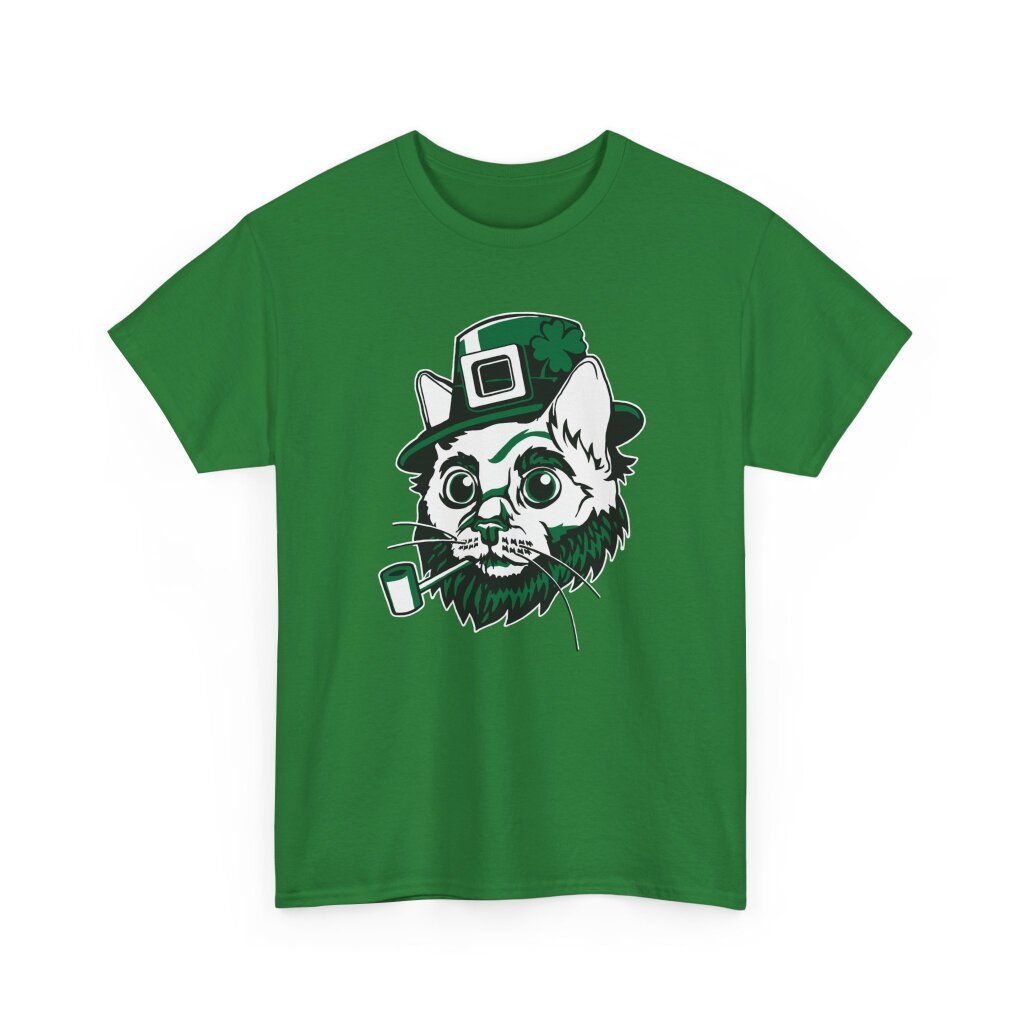
“Leprechaun Cat” Unisex T-Shirt – Purrfectly Lucky
Price range: $19.99 through $25.99 -

4-Leaf Clover USA Flag Unisex T-Shirt – Irish American Pride Tee in Green for Heritage & Gifting
Price range: $22.99 through $27.89 -

American Grown with Irish Roots Unisex T-Shirt – USA & Ireland Flag Heritage Tee
Price range: $22.99 through $27.89 -

Biting Lip Irish Pop Art Unisex T-Shirt – Sexy Green Shamrock Tee with Glitter Vibes
Price range: $22.99 through $27.89