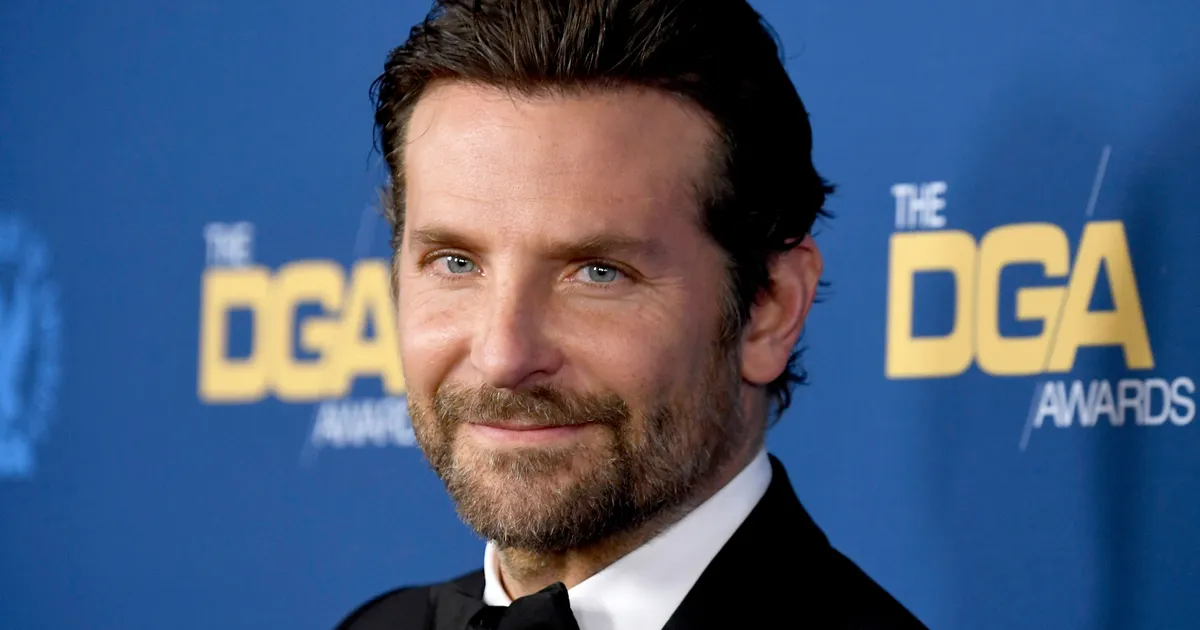
Introduction: The Leading Man with Celtic Blood
Bradley Cooper—born January 5, 1975, in Abington Township, Pennsylvania—is one of those rare Hollywood creatures who manages to be devastatingly handsome, genuinely talented, and apparently quite nice in real life (which honestly seems unfair to the rest of us). He burst onto our screens in “Alias” back in 2001, spent some quality time as a comedic bro in “The Hangover” trilogy, and then somehow transformed into a serious actor-director who makes films that make grown adults weep openly in theaters.
With multiple Academy Award nominations, Golden Globes, and enough critical acclaim to fill several trophy cabinets, Cooper has proven himself across genres—from the romantic complexity of “Silver Linings Playbook” to the gritty intensity of “American Sniper” to the heartbreaking beauty of “A Star is Born” (which he also directed, because apparently being a brilliant actor wasn’t enough of a challenge).
But here’s something you might not know about Bradley Cooper: beneath that Hollywood polish and those famous blue eyes runs Irish blood. His father, Charles Cooper, was of Irish descent, connecting Bradley to a lineage that stretches back to the Emerald Isle—specifically to counties Dublin and Galway, regions rich with history, hardship, and the kind of resilience that somehow survived transatlantic voyages and generations of adaptation.
Now, before you think “Oh great, another American actor claiming to be Irish,” understand that Cooper’s connection to Ireland isn’t performative or superficial. He’s spoken openly about how his Irish heritage has shaped his values, influenced his work ethic, and informed his artistic choices. This isn’t St. Patrick’s Day publicity—it’s genuine cultural connection.
So settle in with your beverage of choice (and given the subject matter, I’m assuming it’s something Irish or at least Irish-adjacent), and let’s explore how a lad from Pennsylvania ended up carrying the DNA of Irish emigrants who crossed the Atlantic seeking better lives, and how those Celtic roots might have influenced one of Hollywood’s most compelling talents.
Fair warning: there will be references to famine, discrimination, and the kind of historical hardship that makes you grateful for modern plumbing. But there will also be stories of resilience, creativity, and that particularly Irish ability to find beauty in struggle—which, when you think about it, describes most of Cooper’s best work.
The Cooper Clan: Where Ireland Meets America
Let’s dive into the family tree—because understanding Bradley Cooper’s Irish heritage means understanding the journey his ancestors made and the values they carried across an ocean.
Bradley’s father, Charles Cooper, was the Irish connection in this story. Charles was a stockbroker—successful, hardworking, the kind of man who exemplified the immigrant success story even as a descendant rather than an immigrant himself. But Charles didn’t just pass down his work ethic to his son; he passed down an understanding of where that work ethic came from.
Charles’s lineage traced back to Ireland, specifically to counties Dublin and Galway—two regions with very different characters but equally rich histories. Dublin, the capital, has always been Ireland’s urban heart, a city of writers, rebels, and people who talk fast and think faster. Galway, on the west coast, is wilder, more romantic in that windswept Celtic way, a place where the landscape itself seems to tell stories.
Now, Bradley’s mother, Gloria Campano, brought Italian heritage into the mix (because apparently Cooper needed to be genetically predisposed to both passionate storytelling AND passionate hand gestures). This Italian-Irish combination isn’t uncommon in American families, and it creates a fascinating cultural blend—the Irish gift for words meets Italian emotional expressiveness, all filtered through an American lens.
But it’s the Irish side we’re focusing on here, and that heritage runs deep in the Cooper family story. Charles Cooper understood that his success wasn’t just personal achievement—it was the fulfillment of dreams his Irish ancestors carried with them when they left everything familiar behind. He passed this understanding to Bradley, along with the work ethic, values, and sense of cultural pride that came from knowing your people survived enormous challenges to give you opportunities they never had.
Growing up in Pennsylvania, Bradley wasn’t raised in an explicitly Irish household with fiddles and step-dancing (as far as we know). But he was raised with values that are deeply Irish: the importance of family, the power of storytelling, the belief that hard work and determination can overcome obstacles, and perhaps most importantly, the understanding that where you come from matters in shaping where you’re going.
The Great Migration: From Famine to Philadelphia
To understand Bradley Cooper’s Irish roots, we need to take a brief (and admittedly grim) detour through Irish history—specifically, the events that sent his ancestors fleeing across the Atlantic.
The 19th century was brutal for Ireland. The Great Famine of the 1840s—which the Irish more accurately call “An Gorta Mór” (The Great Hunger)—wasn’t just a natural disaster. It was a catastrophic failure of British colonial policy that resulted in over a million deaths and forced another million to emigrate. People didn’t leave Ireland because they wanted adventure; they left because staying meant starvation.
Counties Dublin and Galway, where Cooper’s ancestors originated, were both significantly affected by the famine and the economic hardship that followed. Dublin, despite being the capital, saw massive emigration as rural people flooded the city looking for relief that often wasn’t there, then continued onward to emigration ports. Galway, on the west coast, was particularly devastated—the rural poor suffered enormously, and emigration became survival strategy.
Imagine what it took to leave. You’re abandoning your home, your land (if you had any), your extended family, possibly your language (many Irish speakers switched to English for America). You’re boarding a ship with conditions so horrific they were called “coffin ships”—and that wasn’t metaphorical; many passengers didn’t survive the crossing. You’re heading to a country where you don’t know anyone, where you might face discrimination, where “No Irish Need Apply” signs were common, where you’d likely work jobs nobody else wanted for wages barely enough to survive.
But Irish immigrants had something that couldn’t be taken away: determination. That particularly Irish stubbornness that says “I’ve survived worse than you, and I’ll outlast you too.” They built communities in cities across America—tight-knit enclaves where Irish culture survived, adapted, and eventually thrived. They worked impossible jobs, saved impossible amounts, and ensured their children got educations that would lift them higher.
This is Bradley Cooper’s heritage—not just Irish blood, but immigrant resilience. His ancestors were people who faced the worst and refused to break, who maintained cultural identity while adapting to new circumstances, who valued education and advancement because they’d been denied both for so long.
That journey from famine-stricken Ireland to successful stockbroker grandfather to Academy Award-nominated actor grandson? That’s the immigrant dream realized across generations.
Irish Values, American Success
Irish culture isn’t just about geography or genetics—it’s about values, traditions, and ways of understanding the world that persist across generations and oceans. And many of these values are clearly evident in Bradley Cooper’s life and career.
Let’s start with work ethic. The Irish have a complicated relationship with work—centuries of being exploited as laborers under British rule could have broken people’s spirits. Instead, it created a culture that values hard work while also maintaining deep skepticism of anyone who tries to exploit workers. Irish immigrants in America worked brutally hard, but they also organized labor unions, fought for workers’ rights, and insisted on dignity alongside diligence.
Cooper’s career trajectory reflects this balance. He works incredibly hard—learning French for roles, gaining massive amounts of muscle for “American Sniper,” spending years developing “A Star is Born”—but he also makes deliberate choices about projects, turning down lucrative offers that don’t interest him artistically. That’s very Irish: work hard, but work smart; commit fully, but on your own terms.
Then there’s the storytelling tradition. Irish culture has been telling stories since before written language existed—epic poems passed down orally, histories preserved in ballads, wisdom encoded in folklore. When the British tried to suppress Irish culture, stories were how identity survived. This reverence for narrative, for the power of a well-told tale to move people and preserve truth—this runs deep in Irish DNA.
Cooper hasn’t just acted in stories; he’s increasingly told them. His directorial work shows someone who understands narrative on a profound level, who knows how to balance spectacle with intimacy, who recognizes that the most powerful stories are often about ordinary people facing extraordinary circumstances. That’s Irish storytelling: finding the universal in the specific, the epic in the everyday.
Family loyalty is another cornerstone of Irish culture. You look after your own. You don’t abandon family, even when it’s inconvenient. This value sustained Irish communities through centuries of hardship—when institutions failed you, family didn’t.
Cooper has spoken movingly about his father’s influence and the importance of family traditions in his upbringing. He’s maintained close relationships despite Hollywood’s pressures. And in his roles—whether it’s the complicated family dynamics in “Silver Linings Playbook” or the mentor relationship in “A Star is Born”—there’s an understanding of loyalty’s importance and cost that feels deeply informed by Irish values.
When Celtic Meets Cinematic: Irish Influence in Cooper’s Work
Now here’s where it gets really interesting: how does Irish heritage influence an actor whose most famous roles aren’t explicitly Irish? The answer is subtle, profound, and absolutely fascinating.
Look at Cooper’s body of work through an Irish lens. “American Sniper” tells the story of a warrior struggling with the moral complexity of violence—a theme deeply embedded in Irish history and literature, from ancient Celtic warriors to modern Troubles narratives. The internal conflict, the cost of duty, the way war changes a person—these are themes Irish culture has explored for centuries.
“A Star is Born” is fundamentally about artistic creation, destructive passion, and the price of fame—but it’s also about storytelling, about the power of music to express what words cannot, about finding beauty in brokenness. These themes resonate powerfully with Irish artistic traditions, where music has always been both celebration and lament, where beauty and sorrow are often inseparable.
Even “Silver Linings Playbook,” ostensibly a romantic comedy, explores mental health, family dysfunction, and redemption through connection—all while maintaining humor in the face of genuine pain. That ability to balance comedy and tragedy, to find light in darkness without diminishing either? That’s quintessentially Irish.
Cooper’s performances often feature an emotional rawness that doesn’t feel manufactured. He accesses genuine vulnerability while maintaining dignity—a balance that’s very Irish. We’re a culture that feels deeply but often hides it behind humor or stoicism, that considers emotional authenticity sacred but emotional manipulation shameful.
His directorial choices reinforce this connection. “A Star is Born” doesn’t shy away from addiction, self-destruction, or the cruelty of fame—but it treats these subjects with the kind of reverence Irish culture reserves for difficult truths. It finds grace in tragedy without making tragedy graceful, if that makes sense.
And here’s something interesting: Cooper has spoken about drawing inspiration from Irish musicians and artists. He’s expressed admiration for the emotional honesty in Irish music, the way Irish artists aren’t afraid to be vulnerable, to expose pain alongside joy. This isn’t superficial appreciation—it’s recognition of cultural kinship.
Public Persona, Private Heritage
Bradley Cooper’s relationship with his Irish ancestry is fascinatingly authentic. He doesn’t exploit it for publicity or trot it out only on St. Patrick’s Day. Instead, he discusses it thoughtfully when asked, often connecting it directly to his values and work.
In interviews, Cooper has attributed his work ethic to his Irish background, specifically to values instilled by his father. He’s discussed how family storytelling traditions influenced his understanding of narrative. He’s reflected on how his Irish heritage shaped his worldview—the importance of community, the value of resilience, the belief that hardship builds character rather than breaking it.
When Cooper appeared on genealogy-focused shows exploring celebrity heritage, his engagement was genuine rather than performative. He approached learning about his Irish ancestors with real curiosity and evident emotion, recognizing that their struggles made his success possible.
This authentic engagement has resonated with audiences, particularly those of Irish descent who recognize the values Cooper embodies and appreciate his refusal to reduce Irish heritage to stereotypes. He doesn’t play the charming rogue Irishman or lean into clichés. Instead, he represents a more nuanced Irish-American identity—someone whose Irish heritage informs their character without defining it entirely.
Fans appreciate this authenticity. When celebrities genuinely engage with their heritage rather than using it as marketing material, it creates deeper connection. Cooper’s Irish ancestry isn’t a publicity angle; it’s part of his actual identity, and audiences can tell the difference.
Critics occasionally debate how much credit celebrities should get for simply acknowledging their heritage. Fair point. But Cooper goes beyond acknowledgment—he embodies Irish values, draws inspiration from Irish artists, and uses his platform to honor that heritage authentically.
The Irish Artistic Legacy: Cooper’s Place in a Larger Tradition
Bradley Cooper exists within a much larger tradition of Irish artists who’ve profoundly influenced global culture. Understanding this context enriches our appreciation of how his heritage informs his work.
Irish writers have been punching above their weight for centuries. W.B. Yeats, James Joyce, Samuel Beckett, George Bernard Shaw, Oscar Wilde, Seamus Heaney—the list of Irish literary giants is absurdly long for a small island. Four Nobel Prizes in Literature (five if you count Shaw, who was Irish though he complicated it). This isn’t coincidence; it’s cultural priority.
Why such literary dominance? Partly because when your culture and language are under attack, words become weapons and shields. Stories preserve identity when everything else is stripped away. The Irish learned to wield language with precision and power—and that tradition continues.
Irish actors have similarly dominated stages and screens worldwide. Liam Neeson, Saoirse Ronan, Kenneth Branagh, Cillian Murphy, Colin Farrell, Pierce Brosnan, Brendan Gleeson—the list goes on. These actors bring emotional depth, technical skill, and often an ability to access both vulnerability and strength that makes their performances compelling.
Irish musicians have given the world everything from traditional sessions in tiny pubs to U2 and The Cranberries. The Irish relationship with music is profound—it’s celebration, lament, resistance, identity, and community all rolled into melody and rhythm.
Cooper fits into this tradition not by being Irish (he’s Irish-American, which is different), but by embodying values and approaches that align with Irish artistic culture: emotional honesty, narrative sophistication, the balance of light and dark, the refusal to choose between entertaining audiences and challenging them.
When Cooper talks about being influenced by Irish artists, he’s not namedropping—he’s recognizing kinship. He sees in Irish artistic traditions approaches that resonate with his own instincts, values that align with his priorities.
Conclusion: Heritage as Foundation, Not Limitation
So what have we learned from exploring Bradley Cooper’s Irish ancestry? Perhaps most importantly, that heritage is most powerful when it informs rather than defines, when it provides foundation rather than limitation.
Cooper’s Irish roots—traced through his father back to counties Dublin and Galway, carrying stories of emigration, resilience, and determination—have clearly shaped his values, work ethic, and artistic sensibilities. But they haven’t constrained him to playing Irish characters or making Irish-themed films. Instead, they’ve given him a cultural foundation that strengthens everything he does.
His father’s lineage represents the immigrant story in its most essential form: people leaving everything behind, surviving impossible challenges, building new lives while maintaining old values, ensuring their descendants have opportunities they couldn’t imagine. From famine-stricken Ireland to successful Pennsylvania stockbroker to Academy Award-nominated actor and director—that’s three generations of upward mobility, each built on the foundation laid by those who came before.
But it’s more than just a success story. It’s about how cultural values persist and adapt across generations. The work ethic that helped Irish immigrants survive in hostile environments becomes the dedication that drives artistic excellence. The storytelling tradition that preserved culture under oppression becomes the narrative sophistication that creates powerful cinema. The community loyalty that sustained Irish enclaves becomes the collaborative spirit that makes great art possible.
Cooper’s embrace of his Irish heritage—authentic, thoughtful, integrated into his identity rather than performed for audiences—models how to honor ancestry in the modern world. You don’t have to choose between being Irish and being American, between honoring tradition and embracing innovation, between celebrating heritage and forging your own path.
His story encourages all of us with immigrant ancestry to explore our roots, understand our heritage, and recognize how our ancestors’ experiences shape our present. Those Irish emigrants who boarded coffin ships couldn’t have imagined their descendants would become Hollywood stars. But they’d probably recognize the values—the work ethic, the storytelling, the resilience—that made that success possible.
Moreover, Cooper’s example shows that exploring heritage isn’t just personal indulgence—it’s cultural preservation. Every time someone with a platform authentically celebrates their roots, they keep those cultural narratives alive, they inspire others to explore their own heritage, they push back against cultural amnesia.
So here’s to Bradley Cooper—actor, director, producer, and proud descendant of Irish emigrants who crossed an ocean seeking better lives and whose dreams find fulfillment in ways they couldn’t have imagined.
Here’s to the Cooper family, who maintained connection to Irish values across generations and geographies.
Here’s to counties Dublin and Galway, and all the Irish places that sent their people abroad while somehow remaining in their hearts.
And here’s to all of us carrying immigrant heritage, whether we’re famous actors or ordinary people simply trying to honor where we came from while building where we’re going.
As the Irish would say: Sláinte to heritage, to the stories that connect us across oceans and generations, to the values that persist when everything else changes. And may we all honor our ancestors by living fully, working honestly, and passing the best of our heritage forward to those who follow.
Now, if you’ll excuse me, I need to go research my own family tree and maybe watch “A Star is Born” again. Cooper’s made both look far too compelling to ignore—and I suspect that’s exactly what his Irish ancestors would have wanted.
Shop new arrivals
-
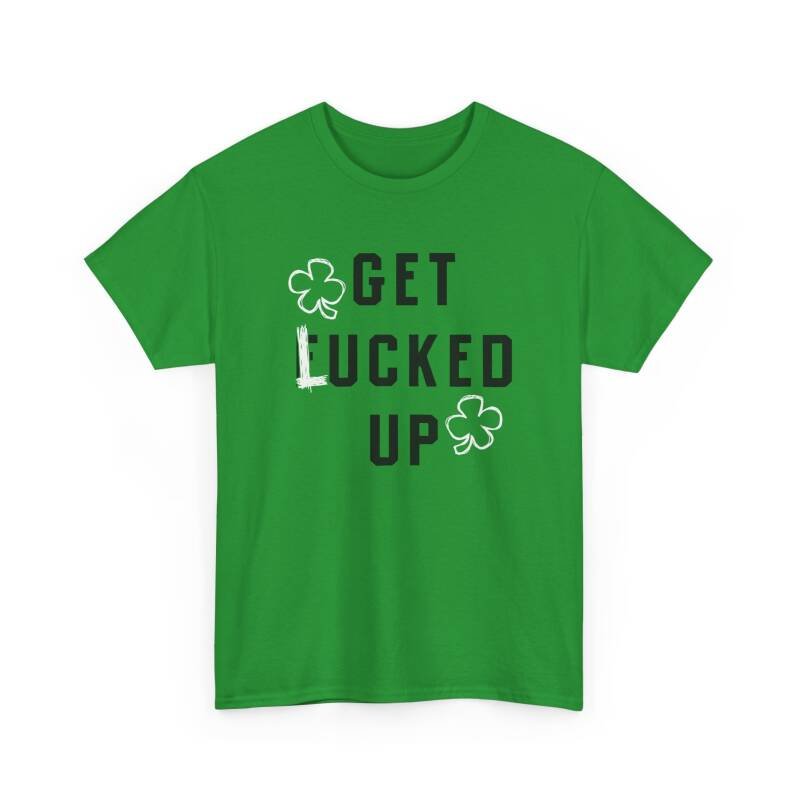
“Get Lucked Up” Unisex T-Shirt – Shamrock Shenanigans
Price range: $19.99 through $25.99 -
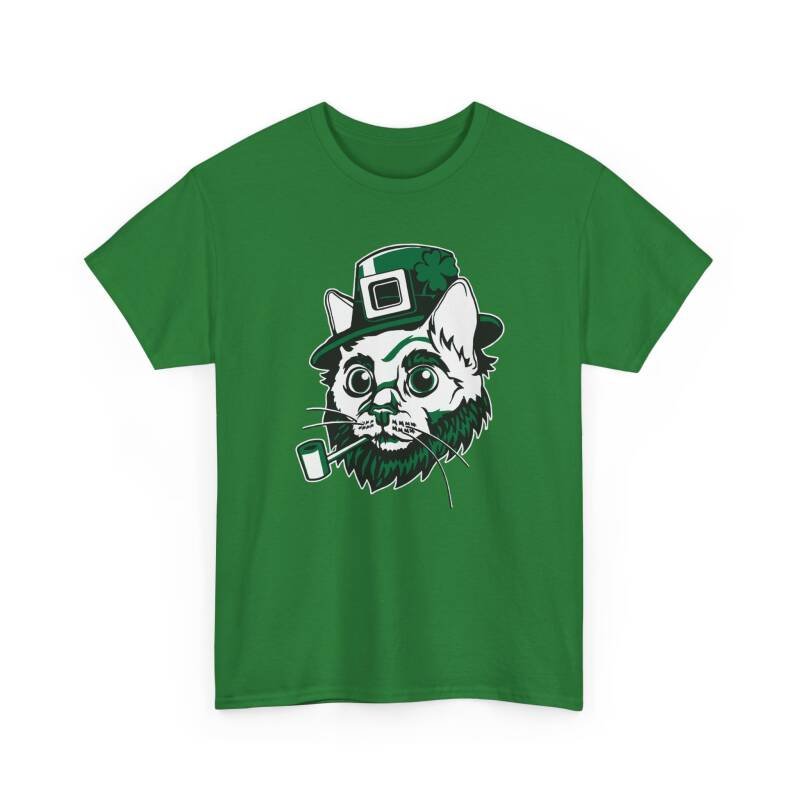
“Leprechaun Cat” Unisex T-Shirt – Purrfectly Lucky
Price range: $19.99 through $25.99 -

4-Leaf Clover USA Flag Unisex T-Shirt – Irish American Pride Tee in Green for Heritage & Gifting
Price range: $22.99 through $27.89 -

American Grown with Irish Roots Unisex T-Shirt – USA & Ireland Flag Heritage Tee
Price range: $22.99 through $27.89 -

Biting Lip Irish Pop Art Unisex T-Shirt – Sexy Green Shamrock Tee with Glitter Vibes
Price range: $22.99 through $27.89