The Newbery Winner with Irish Soul
Robert C. O’Brien’s Irish heritage played a quiet but powerful role in shaping the imagination behind his most beloved works.
Robert C. O’Brien—the name might not immediately ring bells the way Dr. Seuss or Maurice Sendak do, but mention “Mrs. Frisby and the Rats of NIMH” and watch faces light up with recognition. Published in 1971, the novel won the prestigious Newbery Medal and became beloved classic, later adapted into animated film that introduced generations to brave mouse widow and genetically enhanced rats seeking freedom from human experimentation.
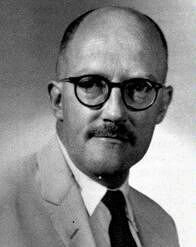
Born December 11, 1918, in New York City as Robert Leslie Conly (O’Brien was pen name, itself Irish), he graduated from Harvard before building dual career as writer and National Geographic editor. His children’s literature combined fantasy with ethical complexity, creating stories that worked on multiple levels—entertaining kids while giving adults plenty to contemplate. “Mrs. Frisby” tackles themes of courage, sacrifice, community, and what freedom actually means—heady stuff wrapped in accessible narrative about animals.
But here’s what the talking rats and science fiction elements obscure: O’Brien carried Ireland in his creative DNA, channeling heritage through generations to create storytelling sensibility that’s distinctly Celtic even when his characters are American mice and rats. His Irish ancestry shaped not what he wrote about but how he approached storytelling—the emphasis on community bonds, the comfort with blending realism and fantasy, the understanding that courage emerges from ordinary beings facing extraordinary circumstances, the belief that stories should wrestle with moral complexity rather than offering simple answers.
His pen name itself signals Irish connection—”O’Brien” is one of Ireland’s most common surnames, derived from Old Irish “Ó Briain” meaning “descendant of Brian.” Whether he chose it consciously to honor Irish roots or it simply felt right, the name connects him to Irish literary tradition stretching back centuries.
His Irish ancestors emigrated during 19th century waves driven by famine and poverty, landing in America where they faced discrimination but gradually established themselves, building communities that preserved Irish culture while adapting to American reality. By the time Robert was born in early 20th century New York, explicit connection to Ireland had faded—family was American. But Irish values persisted: the emphasis on storytelling as essential rather than frivolous, the understanding that community matters, the comfort with fantasy as truth-telling device, the appreciation for moral complexity.
From Famine to Fantasy: The Irish Journey
To understand O’Brien’s Irish heritage is to understand catastrophe that scattered Irish families across globe. The Great Famine of 1845-1852 wasn’t just agricultural disaster—it was humanitarian catastrophe enabled by British colonial policies that valued profit over Irish lives.
When potato blight destroyed crops that most Irish depended on for survival, British landlords continued exporting Irish-grown grain while Irish people starved. The government’s criminally inadequate response was shaped by ideology viewing Irish poverty as deserved consequence of Irish character flaws. Million died. Million more fled.
O’Brien’s Irish ancestors were among those who chose emigration over starvation, crossing Atlantic in overcrowded ships where disease killed thousands before they reached America. Those who survived landed in ports like New York, facing “No Irish Need Apply” discrimination that treated Irish Catholics as racial inferiors barely fit for brutal labor.
But they persisted—taking whatever work they could get, building Irish neighborhoods in cities like New York and Boston, establishing churches and social clubs, preserving Irish culture while adapting to American reality. The immigrant experience carved itself into family psychology: you don’t forget being treated as inferior, you don’t forget that survival required extraordinary resilience, you don’t forget stories of what was left behind and what was endured to build new life.
By the time Robert was born in 1918 New York, explicit connection to Ireland had weakened—family spoke English, were culturally American, didn’t maintain day-to-day Irish customs. But underneath: Irish patterns of thought, Irish storytelling traditions, Irish values around community and moral complexity that would shape his entire approach to writing.
The Irish Storytelling Tradition: Fantasy as Truth
Irish culture has always understood something crucial: fantasy tells truths that realism cannot. Irish mythology, Irish folklore, Irish fairy tales—these weren’t just entertainment for children. They were sophisticated ways of exploring moral questions, preserving cultural knowledge, teaching values through narratives that stuck in memory because they were fantastic rather than mundane.
The ancient Irish tales of Cú Chulainn and Finn MacCool, the stories of selkies and banshees and leprechauns—these served serious cultural functions. They explained natural phenomena, transmitted history when written records were scarce, explored ethical dilemmas through metaphor, preserved Irish identity when British colonizers tried to erase it.
O’Brien inherited this Irish understanding that fantasy serves serious purposes. “Mrs. Frisby and the Rats of NIMH” isn’t escapist entertainment—it’s sophisticated exploration of freedom, community, ethics of scientific experimentation, what obligations individuals have to collectives, whether intelligence creates moral responsibility. He uses talking animals not to be whimsical but to create distance that lets readers engage with difficult questions without defensive reactions.
The rats who escaped NIMH laboratory aren’t just clever animals—they’re metaphor for any group seeking self-determination after being used by powers that don’t see them as fully worthy of autonomy. This resonates powerfully with Irish historical experience of colonization, of being used by British empire, of fighting for freedom that others didn’t believe Irish capable of managing.
Mrs. Frisby’s courage—ordinary mouse widow forced into extraordinary circumstances, risking everything to save her child—reflects Irish folk tradition of everyday heroes, ordinary people demonstrating extraordinary bravery when circumstances demand it. This is Irish narrative pattern: heroism isn’t reserved for warriors or nobles but emerges from anyone when community needs it.
Community as Salvation: The Irish Value
Irish culture has always emphasized community as essential—partly from necessity (Irish survival under British rule required collective resistance) but also from deeper cultural values. You’re not isolated individual but part of web of relationships and obligations. Community is what makes you human, what gives life meaning, what creates safety in hostile world.
Irish immigrants to America maintained this community emphasis fiercely. Irish neighborhoods in cities like New York weren’t just where Irish happened to live—they were deliberately created support systems, places where Irish identity could be preserved, where mutual aid was expected rather than exceptional, where belonging mattered more than individual achievement.
O’Brien’s “Mrs. Frisby and the Rats of NIMH” is fundamentally about community—what obligations individuals have to groups, how communities form and sustain themselves, when community interests should override individual desires. The rats debate whether to help Mrs. Frisby (she’s not part of their community, helping risks exposing them), ultimately deciding that decency requires assisting those in need regardless of group membership.
This reflects Irish value system that emphasizes community bonds as sacred but also questions their limits. Irish culture understands that community can be both sanctuary and prison, that loyalty is essential but can become oppressive, that individuals must sometimes choose between community expectations and personal conscience.
The rats’ plan to create self-sustaining community free from human dependency mirrors Irish immigrants’ dreams of building communities where they controlled their own destinies rather than serving others’ interests. The Plan of the Rats isn’t just plot device—it’s metaphor for any marginalized group seeking autonomy, building something that proves they’re capable of self-governance.
Courage as Irish Virtue
Irish culture has always celebrated particular kind of courage—not reckless bravery but determined persistence, willingness to do what’s necessary despite fear, protecting those who depend on you regardless of personal cost. This reflects centuries of Irish experience where survival required facing impossible circumstances without giving up.
Mrs. Frisby embodies this Irish courage perfectly. She’s not naturally brave—she’s terrified multiple times throughout story. But she acts despite fear because her children need her, because doing right thing matters more than personal safety, because sometimes ordinary beings must do extraordinary things.
This is quintessentially Irish heroism: courage isn’t absence of fear but action despite it, isn’t reserved for naturally brave but emerges from anyone when circumstances demand, isn’t about glory but about protecting those you love and honoring obligations even when they terrify you.
The rats’ courage similarly reflects Irish patterns. They escaped NIMH knowing they could never go back, built community knowing humans might destroy it, helped Mrs. Frisby knowing it risked everything they’d built. This willingness to risk security for principle, to choose uncertain freedom over safe dependence, mirrors Irish historical struggles for independence.
The Moral Complexity: Irish Literary Tradition
Irish literature has never been comfortable with simple morality—characters are complicated, situations resist easy answers, right choices often have terrible costs. From James Joyce through contemporary Irish writers, the tradition embraces ambiguity over certainty.
O’Brien follows this Irish pattern throughout “Mrs. Frisby and the Rats of NIMH.” The scientists at NIMH aren’t purely evil—they’re doing research that could help humanity, they don’t deliberately torture animals, they’re not malicious. But their treatment of rats as experimental subjects rather than beings worthy of autonomy is still wrong. This moral complexity—good intentions producing harmful results, systems that aren’t deliberately cruel but remain unjust—is sophisticated ethical territory.
The rats themselves aren’t purely good either. They steal electricity and food from humans, deceive farmer about nature of their community, debate leaving Mrs. Frisby to her fate. They’re sympathetic but flawed, capable of selfishness and courage simultaneously. This refusal to simplify characters into heroes and villains reflects Irish literary tradition of portraying humans (and human-like rats) as containing contradictions.
Even the ending resists simple resolution. The rats don’t defeat NIMH, don’t prove their worth to skeptical humans, don’t achieve perfect freedom. They escape immediate danger and continue uncertain journey toward self-sufficiency, but story acknowledges that struggles continue. This Irish comfort with ambiguous endings reflects understanding that life doesn’t provide neat resolutions, that victories are partial and temporary, that complexity persists.
Why His Irish Heritage Matters
O’Brien rarely discussed Irish ancestry explicitly in interviews or public statements—it wasn’t central to his author persona the way it might be for writers who make ethnicity explicit theme. But understanding his Irish roots illuminates aspects of his work that might otherwise seem purely individual rather than culturally transmitted.
His use of fantasy to explore serious themes reflects Irish storytelling tradition. His emphasis on community mirrors Irish cultural values. His portrayal of courage as ordinary beings facing extraordinary circumstances follows Irish heroic patterns. His moral complexity continues Irish literary comfort with ambiguity. His exploration of freedom and autonomy resonates with Irish historical struggles.
For readers trying to understand what makes “Mrs. Frisby and the Rats of NIMH” so enduring—why it works on multiple levels, why it respects children’s intelligence while engaging adults, why it remains relevant decades after publication—Irish heritage provides framework. O’Brien wasn’t just talented writer who happened to create memorable story; he was product of cultural traditions that shaped what stories matter, how they should be told, what makes them meaningful.
The Enduring Legacy
O’Brien died in 1973, just two years after “Mrs. Frisby and the Rats of NIMH” won Newbery Medal, before he could see full extent of his book’s impact. But his work endures—continually reprinted, taught in schools, beloved by new generations discovering brave mouse widow and courageous rats.
His Irish heritage shaped this enduring classic in ways most readers never consciously recognize. The fantasy that tells truths, the community values, the ordinary courage, the moral complexity—these are Irish gifts, cultural patterns transmitted across generations and oceans, finding expression in American children’s book about genetically enhanced rats.
From Ireland to New York to National Geographic to children’s literature immortality—the journey represents cultural transmission working exactly as it should. O’Brien likely didn’t consciously think “I’m being Irish” when he created Mrs. Frisby’s courage or the rats’ community. But he was channeling heritage nonetheless, drawing from wells dug by Irish ancestors who understood that storytelling matters, that fantasy serves truth, that community sustains us, that courage emerges from ordinary beings when circumstances demand it.
The Irish soul—expressed through American mice and rats, through science fiction premise and children’s literature format—proves that heritage operates beneath surface, shaping how we imagine and create even when we don’t name cultural sources. The best writers draw from deepest roots while creating work that transcends any single tradition.
Robert C. O’Brien, product of Irish immigration and American opportunity and Harvard education and National Geographic career, showed that knowing where you came from enriches what you create. The Irish gifts for storytelling and moral complexity and community values live on through writer who created book that continues teaching children (and reminding adults) that courage matters, that community sustains us, that freedom requires responsibility, and that ordinary beings can accomplish extraordinary things when they must.
From famine ships to Newbery Medal—the Irish tradition of using story to preserve truth, to explore complexity, to honor courage, to celebrate community continues through O’Brien’s work, proving that some inheritances are too precious to lose, too powerful to ignore, too essential to who we are to ever fully separate from our creative expression.
Every child who reads “Mrs. Frisby and the Rats of NIMH” absorbs Irish values whether they know it or not, participates in Irish storytelling tradition whether they recognize it or not, learns lessons that Irish ancestors knew mattered—that community is everything, that courage is choosing right despite fear, that freedom carries responsibility, that moral life is complicated, and that stories told with care and honesty can change how we understand the world.
That’s not just Robert C. O’Brien’s legacy—it’s Irish legacy, proof that cultural traditions persist, that heritage shapes us, and that the best art emerges when we honor roots while creating something new, when we draw from deepest wells while offering fresh water to everyone who’s thirsty for stories that matter.
Shop new arrivals
-
“Get Lucked Up” Unisex T-Shirt – Shamrock Shenanigans
Price range: $19.99 through $25.99 -
“Leprechaun Cat” Unisex T-Shirt – Purrfectly Lucky
Price range: $19.99 through $25.99 -

4-Leaf Clover USA Flag Unisex T-Shirt – Irish American Pride Tee in Green for Heritage & Gifting
Price range: $22.99 through $27.89 -

American Grown with Irish Roots Unisex T-Shirt – USA & Ireland Flag Heritage Tee
Price range: $22.99 through $27.89 -

Biting Lip Irish Pop Art Unisex T-Shirt – Sexy Green Shamrock Tee with Glitter Vibes
Price range: $22.99 through $27.89