
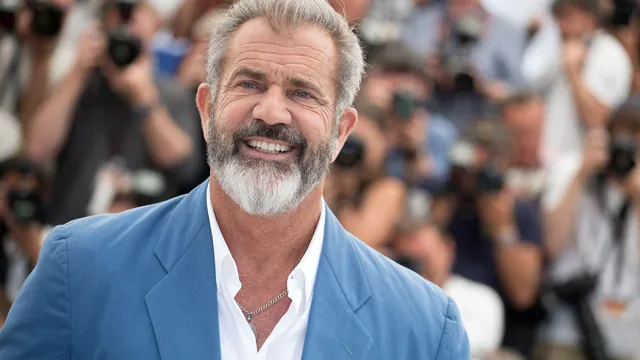
Introduction to Mel Gibson
Mel Gibson is a prominent figure in the film industry, renowned for his multifaceted roles as an actor, director, and producer. He first gained recognition in the late 1970s with his portrayal of Max Rockatansky in the critically acclaimed “Mad Max” series. This role catapulted him into the limelight and established him as a key player in Hollywood. Throughout the 1980s and 1990s, Gibson’s impressive range was showcased in a variety of genres, including action, drama, and comedy, with noteworthy performances in films such as “Lethal Weapon,” “Braveheart,” and “What Women Want.”
As a director, Gibson made a significant impact with films like “Braveheart,” which won five Academy Awards, including Best Picture and Best Director. His directorial choices often reflect a deep engagement with historical themes and complex characters, which resonate with audiences worldwide. Gibson’s work is characterized by a commitment to storytelling, often exploring themes of sacrifice, courage, and redemption.
In addition to his professional achievements, Mel Gibson’s family background plays a role in shaping his artistic identity. Born in Peekskill, New York, in 1956 to a Catholic father and a Irish-born mother, his heritage has influenced both his life and career. Gibson often reflects on his Irish ancestry in essays and discussions, emphasizing its significance. This personal background, combined with his experiences in Hollywood, has contributed to his unique perspective within the industry.
Over the decades, Mel Gibson has faced both critical acclaim and controversy, with his work continuously evolving. His contributions to cinema are undeniable, making him a subject of interest for film enthusiasts and scholars alike. As we delve deeper into the exploration of Gibson’s Irish heritage, it becomes evident how it intertwines with his professional journey and cultural expression.
Mel Gibson’s Ancestry
Mel Gibson, the renowned actor and filmmaker, has a rich ancestral heritage that is deeply rooted in Irish culture. His paternal lineage traces back to Ireland, specifically to County Eire, where his ancestors hailed from. This area is known for its lush landscapes, historical significance, and contributions to Irish culture, which provide a backdrop to Gibson’s family history. The connections to this region play a pivotal role in understanding the influences that may have shaped his identity and artistic expressions throughout his career.
Gibson’s father, Hutton Gibson, was born in the United States but carried the legacy of their Irish origins. Hutton’s ancestry is characterized by its profound ties to the Gaelic traditions and Catholic faith that are prominent in Irish communities. These cultural elements have likely influenced Mel Gibson’s worldview and artistic choices, as seen in many of his works that often delve into themes of heritage and identity.
Immigration from Ireland to the United States has a significant historical context, primarily driven by events such as the Great Famine in the 19th century. Many Irish families, including those related to Gibson, sought better opportunities in America, bringing with them their traditions, dialects, and values. Such migration experiences are crucial in understanding the historical landscape from which Gibson’s family emerged. They not only reflect the resilience of the Irish people but also underscore the blend of cultures that characterize the United States today. This interplay of Irish heritage and American identity has undoubtedly contributed to Mel Gibson’s perspective as an artist, illuminating the importance of ancestry in shaping personal narratives.
Cultural Significance of Irish Heritage
Mel Gibson, renowned for his diverse cinematic contributions, has a profound connection to his Irish heritage that permeates both his personal and professional life. This connection is deeply rooted in the rich cultural values, traditions, and narratives that characterize Irish culture. Ireland’s history, marked by resilience and struggle, naturally finds expression in the thematic tapestry of Gibson’s films. The themes of sacrifice, honor, and the fight for freedom resonate with the Irish narrative, making it an essential influence in his storytelling.
The impact of Irish heritage on Gibson’s work can be seen through his portrayal of complex characters and moral dilemmas. For instance, the historical context of Irish struggles against oppression mirrors the conflict often presented in his films. The narrative focus on the individual’s struggle against larger societal forces reflects the age-old Irish tradition of storytelling, where personal tales of bravery and resilience are celebrated. By weaving these elements into his works, Gibson not only pays homage to his ancestry but also broadens the appeal of his narratives, making them relatable to audiences worldwide.
Moreover, Gibson’s use of language and dialog often incorporates influences from Irish vernacular, adding authenticity and depth to his characters. The cultural significance of Irish music and folklore also finds a place in his films, which enriches the emotional landscape of his storylines. These elements highlight how deeply ingrained Irish traditions are in Gibson’s artistic vision, contributing to the emotional resonance and cultural richness found in his work. Ultimately, the importance of Irish heritage in Mel Gibson’s life serves as a wellspring of inspiration, shaping his artistic expression and offering a unique lens through which audiences can experience his films.
Mel Gibson’s Connection to Irish Identity
Mel Gibson, the acclaimed actor, director, and producer, has often underscored his connection to his Irish roots throughout his career. Born in Peekskill, New York, in 1956 to a father of Irish descent, Gibson’s lineage can be traced back to the rugged landscapes and rich cultural heritage of Ireland. This familial background has significantly influenced both his personal identity and public persona.
One of the most notable representations of Gibson’s Irish heritage is found in his cinematic works. His portrayal of complex characters with deep ties to their cultural backgrounds resonates with audiences, particularly in projects such as “Braveheart,” where he vividly depicted William Wallace, a figure synonymous with Scottish and Irish nationalism. While the film primarily focuses on Scottish history, it’s rich with themes of resistance and cultural pride that align closely with the experiences of the Irish population. Gibson’s exploration of historical narratives is often framed within an appreciation for the struggles faced by oppressed peoples, particularly those of Irish descent.
Additionally, Gibson has actively participated in projects that celebrate or highlight Irish culture. His collaboration with Irish institutions and filmmakers underscores a commitment to promoting Irish stories and their historical significance. Beyond his film work, Gibson has expressed pride in his Irish heritage during interviews, often referencing the influence of Irish values and traditions on his life and creative endeavors. This pride not only manifests in his work but also in his public persona, as he frequently acknowledges the importance of heritage and ancestry.
Through his films and public representations, Mel Gibson’s connection to his Irish roots highlights a broader appreciation for cultural identity, showcasing the richness of Irish history and its impact on his insights as a storyteller.
Influence of Irish Themes in Gibson’s Work
Mel Gibson, an accomplished filmmaker and actor, has incorporated his Irish heritage into several of his cinematic ventures, often exploring themes related to identity, struggle, and resilience. One of the most prominent examples of this is the iconic film “Braveheart,” which, despite primarily focusing on Scottish history, mirrors the Irish narrative of resistance and ambition. The film captures the essence of uprising against oppression, a recurring sentiment in both Irish and Scottish histories, reflecting a shared cultural experience that resonates with audiences beyond geographical boundaries.
In “Braveheart,” the character of William Wallace is depicted as a freedom fighter; however, one can draw parallels to Irish history, particularly the fight against British rule. The underlying themes of loyalty, betrayal, and the quest for autonomy have significant resonance in Irish storytelling. Similarly, Gibson’s portrayal of complex characters within these narratives often reflects the tumultuous socio-political landscape that defines Irish heritage, linking his personal history to the broader historical context present in his films.
Moreover, Gibson’s later works also showcase elements of Irish culture and themes. In “The Patriot,” while primarily centered on the American Revolution, it subtly incorporates the immigrant experience and the notion of fighting for one’s homeland, which echoes the Irish spirit. His character’s journey channels the resilience found in Irish lore, as he battles for freedom and justice, making a connection to the struggles faced by many Irish and their descendants throughout history.
The exploration of Irish themes in Gibson’s work is evident not just through direct representation but also through thematic parallels that resonate with his heritage. His films serve as a canvas to express the values and experiences integral to Irish identity, blending personal and cultural narratives that continue to captivate audiences worldwide.
Mel Gibson: Views on Irish History
Mel Gibson, an acclaimed actor and director, has made significant statements regarding Irish history, reflecting his deep personal connection to the culture and its tumultuous past. His perspective on the struggles and victories of the Irish people is often intertwined with discussions about resilience, identity, and the heroic narratives that have shaped Ireland’s national character. Gibson’s work, particularly in films like “Braveheart,” though primarily focused on Scottish history, draws parallels that resonate strongly within the context of Irish historical experiences.
In numerous interviews and public appearances, Gibson has remarked on the trials faced by the Irish throughout history. He acknowledges the oppression, including colonization and uprisings, which have sculpted the contemporary Irish identity. The narrative of struggle is central to this, as it encapsulates not only the hardships endured by the Irish but also their remarkable tenacity and spirit when faced with adversity. Through his storytelling, Gibson has emphasized how critical it is for cultures to preserve their history and pass it on to future generations, thereby sustaining the narrative of endurance and triumph.
<pgibson a="" acting="" also="" and="" are="" as="" beliefs.="" broader="" by="" contributes="" crucial="" culture’s="" current="" define="" discussions,="" documentaries="" engaged="" events="" examining="" experiences="" freedom.
Ultimately, Mel Gibson’s views reflect a profound respect for the historical struggles endured by the Irish people, illustrating his commitment to honoring and preserving their legacy through both dialogue and film.
The Impact of Gibson’s Irish Roots on Audience Reception
Mel Gibson’s Irish heritage has undeniably shaped the manner in which audiences relate to his films, particularly in Ireland and among the vast Irish diaspora globally. His recognizable Gaelic ancestry resonates deeply with viewers who share a cultural connection, thus influencing box office performance and critical reception. Cinematic projects tapping into themes of Irish history and identity, such as “Braveheart,” which portrays a story rooted in Scotland’s struggle for independence yet carries the weight of Celtic heritage, have garnered significant attention and affection among Irish communities.
In Ireland, the cultural pride associated with Gibson’s lineage has likely enhanced the reception of his work. The exploration of themes such as resilience, freedom, and the fight against oppression strikes a chord with Irish audiences drawing parallels to their own history. This emotional resonance can often translate into robust box office performance, as evidenced by the warm reception of his films during their theatrical releases. Audiences in Ireland appear to appreciate the nuanced reflection of their culture, which can lead to increased support not just from locals but also from the diaspora watching from abroad.
Critics and fans alike often view Gibson’s films through the lens of his Irish roots, contributing to the cinematic dialogue surrounding issues of identity. Some critics have noted how this connection may influence reviews, with Irish perspectives often framing discussions about storytelling authenticity and character development within his work. Moreover, social media platforms and film forums become avenues for energetic discussions, where audiences articulate their sentiments towards how Gibson’s heritage shapes plots and character arcs. The collective experience of viewing his films fosters a sense of shared heritage, thereby amplifying positive sentiment among fans while enhancing engagement in discourses on Irish identity in cinema.
Controversies Surrounding Gibson’s Heritage Representation
Mel Gibson, the renowned actor and filmmaker, has been a subject of both admiration and controversy, particularly concerning his representation of Irish culture and history in his works. His films, such as “Braveheart,” have been pivotal in portraying epic tales woven into the fabric of Irish and Scottish heritage. However, they have also faced substantial criticism regarding their historical accuracy and cultural authenticity.
One of the most significant criticisms levelled at Gibson is the artistic license he employs to dramatize historical narratives. Critics argue that “Braveheart,” while celebrated for its cinematic achievements, takes considerable liberties with historical facts, thereby skewing public perception of Ireland’s past. For instance, aspects of the film’s narrative oversimplify complex historical events and portray them in a manner that may mislead audiences about the realities of Irish and Scottish struggles. Such representations have prompted discussions about the responsibility of filmmakers to present history with nuance rather than sensationalism.
Moreover, Gibson’s personal controversies, including allegations of bigotry and anti-Semitic remarks, have led some to question his authority to authentically portray any culture, including his own Irish roots. This discord has prompted a broader conversation regarding the intersection of an artist’s personal beliefs and their creative output. While some view his works as a vital exploration of heroic legacies, others perceive them as overshadowed by his personal transgressions, impacting the authenticity of his representation of Irish heritage.
However, Gibson’s films have also garnered praise from certain audiences who appreciate his attempts to bring historical narratives to a wider audience, even if they are not strictly factual. This dichotomy illustrates the complex nature of heritage representation in popular culture, where both admiration and criticism coexist. In the evolving landscape of cinematic storytelling, the debate surrounding Mel Gibson’s portrayal of Irish history continues to be a significant and polarizing aspect of his legacy.
Conclusion: Legacy of Mel Gibson’s Irish Heritage
Mel Gibson’s Irish heritage has been a significant influence throughout his career as an artist and filmmaker. Born in Peekskill, New York to an Irish father and a Scottish mother, Gibson has often expressed pride in his Irish roots. This cultural background not only shapes his identity but also plays a crucial role in the themes and narratives he explores in his work. His films frequently reflect elements of Irish culture, surpassing mere representation; they delve into the historical struggles, resilience, and rich traditions of the Irish people.
One of the most notable manifestations of Gibson’s connection to Irish heritage is found in his filmmaking, particularly in works like “Braveheart,” which, while primarily set in Scotland, resonates with Irish sentiments of rebellion and national pride. Additionally, his venture into Irish cinema with films such as “The Professor and the Madman” illustrates a commitment to portraying profound connections between nations and the human experience. Irish folklore, history, and the complexities of identity appear as vital undercurrents that deeply enrich his storytelling.
The significance of his Irish heritage extends beyond cultural pride; it fosters a unique perspective that challenges and broadens the cinematic landscape in both Irish cinema and Hollywood. Gibson’s exploration of Irish narratives has contributed to a global appreciation for Ireland’s cultural tapestry, inviting audiences to reflect on shared histories and experiences. This impact not only underscores the importance of heritage in the arts but also highlights how personal backgrounds can resonate within broader historical contexts. Ultimately, Mel Gibson’s Irish roots serve as a beacon in his illustrious career, offering a rich foundation from which he continues to inspire, engage, and provoke thought among diverse audiences.