When Peekskill Meets Ancient Warriors
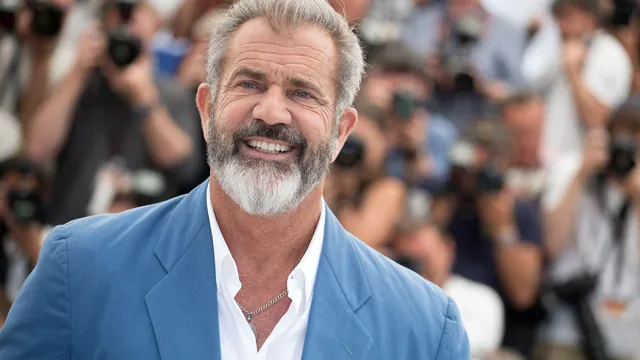
Mel Gibson—the name conjures images so powerful they’ve become embedded in cultural consciousness. William Wallace in face paint screaming “FREEDOM!” before English army. Mad Max surviving post-apocalyptic wasteland with nothing but determination and rage. Martin Riggs as suicidal cop who’s “too old for this shit.” These aren’t just roles; they’re archetypes, characters so vivid they transcend the films containing them.
Born January 7, 1956, in Peekskill, New York, to Hutton Gibson and Irish-born Anne Reilly, Mel emerged as Hollywood force in late 1970s with “Mad Max” series, established himself as action star through 1980s and ’90s with “Lethal Weapon” films, then shocked industry by directing “Braveheart” to Best Picture and Best Director Oscars in 1995. His career has been rollercoaster—massive successes followed by devastating controversies, critical acclaim alongside personal scandals that would have ended lesser careers.
But here’s what the blockbusters and controversies obscure: Gibson carries Ireland in his blood, channeling heritage from his Irish-born mother and Irish-descended father through generations to create artistic sensibility that’s distinctly Celtic even when portraying Scottish warriors or Australian road warriors or American cops. His mother Anne Reilly emigrated from Ireland, bringing with her Irish values, Irish storytelling traditions, Irish understanding of honor and sacrifice that would shape her son’s entire approach to filmmaking.
His father Hutton, though American-born, carried Irish ancestry from County Eire, maintaining connection to Gaelic traditions and Catholic faith that are hallmarks of Irish identity. The family moved to Australia when Mel was twelve—another displacement, another experience of being outsider, another reminder that Irish history is history of leaving homeland while carrying it with you wherever you go.
By the time Gibson returned to America to pursue acting career, he was thoroughly international—American-born, Australian-raised, with Irish heritage running through his veins. But Irish values remained: the emphasis on family loyalty, the understanding that sacrifice matters, the comfort with themes of oppression and rebellion, the belief that honor is worth dying for, the gift for storytelling that treats narrative as sacred rather than mere entertainment.
These Irish influences shaped everything about his career—the roles he chose, the films he directed, the stories he told, the themes he returned to repeatedly. Freedom. Oppression. Sacrifice. Redemption. Honor. These aren’t just dramatic themes; they’re Irish preoccupations, cultural obsessions born from centuries of colonization and struggle for independence.
The Irish Mother: Cultural Transmission
Anne Reilly Gibson didn’t just give Mel life—she gave him Ireland. Born and raised in Ireland before emigrating to America, she carried with her complete Irish cultural package: Catholic faith, storytelling traditions, values around family and honor, understanding of history shaped by colonization and resistance, comfort with themes of sacrifice and suffering that characterize Irish narrative tradition.
Irish mothers traditionally occupy central position in family structure—not just as caregivers but as cultural guardians, transmitters of values and traditions, keepers of family stories and historical memory. Anne fulfilled this role, raising Mel and his siblings in household where Irish identity wasn’t just acknowledged but actively celebrated, where being Irish meant something beyond genetic heritage.
She told stories—not just family anecdotes but Irish history, Irish folklore, narratives of struggle and resistance that define Irish identity. These stories taught lessons without preaching: that oppression must be resisted, that freedom is worth any sacrifice, that honor matters more than survival, that maintaining your identity under pressure is noble act.
Gibson absorbed these lessons before he could articulate them. The themes that would define his career—freedom fighters resisting oppression, heroes willing to die for principles, stories about maintaining dignity under impossible circumstances—these are Irish narratives, cultural patterns his mother transmitted through stories told in childhood kitchen.
Irish mothers also traditionally emphasize Catholic faith—not just as religion but as identity, as framework for understanding suffering and sacrifice, as cultural marker that separates Irish from Protestant British colonizers. Anne raised Mel in strict Catholic household where faith wasn’t optional nicety but essential identity component, where understanding sacrifice through religious lens created foundation for understanding it through historical and dramatic lenses.
“Braveheart”: The Irish Film About Scotland
When Gibson directed “Braveheart,” he ostensibly told Scottish story—William Wallace fighting for Scottish independence against English oppression. But watch the film through Irish lens and you see something else: Irish narrative of resistance against British colonization, Irish themes of freedom and sacrifice, Irish understanding that some things are worth dying for.
The parallels are unmistakable. Scotland’s struggle against English domination mirrors Ireland’s centuries-long resistance against British rule. Wallace’s willingness to die rather than submit reflects Irish martyrdom tradition—from ancient Celtic warriors to modern hunger strikers, the understanding that honorable death beats dishonorable survival. The film’s emphasis on identity, on maintaining who you are despite pressure to submit—this is quintessentially Irish preoccupation.
Gibson’s Wallace screaming “FREEDOM!” before execution became cultural touchstone, but it’s Irish cry as much as Scottish one. Irish history is catalogue of people choosing death over submission, of maintaining identity despite colonizers’ attempts to erase it, of understanding that some freedoms are worth any price.
The film’s portrayal of British as brutal oppressors similarly reflects Irish historical experience. The English tactics shown in “Braveheart”—economic exploitation, cultural suppression, brutal violence against resistance—these were employed against Ireland for centuries. Gibson wasn’t just telling Scottish story; he was channeling Irish historical memory, Irish understanding of colonization’s brutality.
The controversy around film’s historical accuracy misses the point. Gibson wasn’t making documentary; he was creating epic that honored resistance against oppression, that celebrated willingness to die for freedom, that treated independence as sacred cause worth any sacrifice. This is Irish approach to history—not academic accuracy but emotional truth, not what literally happened but what it meant, what it represented, what lessons it teaches about honor and resistance and refusing to submit.
The Catholic Warrior: Faith as Celtic Identity
Gibson’s controversial 2004 film “The Passion of the Christ” showcased his intense Catholic faith—so intense it alienated many viewers with its graphic violence and perceived anti-Semitism. But understanding this film requires understanding Irish Catholic tradition—not generic Catholicism but specifically Irish version shaped by centuries of oppression.
For Irish, Catholicism became identity marker during British Protestant rule. Practicing Catholic faith was illegal for centuries; attending Mass could cost you everything. Catholicism became resistance, maintaining faith became way of maintaining Irish identity despite colonial attempts to erase it. This created particular Irish Catholic sensibility—intense, focused on suffering and sacrifice, treating martyrdom as noble rather than tragic.
Gibson’s “Passion” embodies this Irish Catholic understanding. The extreme violence, the focus on Christ’s suffering, the portrayal of sacrifice as redemptive—these reflect Irish Catholic tradition that emphasizes suffering’s meaning, that treats martyrdom as highest calling, that understands pain as pathway to transcendence.
The controversy around film’s violence misses Irish Catholic context. For Irish shaped by centuries of martyrs who died for faith and nation, extreme suffering isn’t gratuitous—it’s meaningful, redemptive, honorable. Gibson wasn’t shocking audiences for effect; he was portraying suffering through Irish Catholic lens that treats it as sacred rather than merely horrific.
The Warrior Archetype: Celtic Hero Made Modern
Throughout his career, Gibson has repeatedly portrayed or created warrior figures—characters defined by willingness to fight, to sacrifice, to die for causes they believe in. Max Rockatansky. Martin Riggs. William Wallace. Benjamin Martin in “The Patriot.” These aren’t just action heroes; they’re Celtic warriors, men who embody values that trace to ancient Irish tradition.
Celtic warrior culture emphasized honor above survival, courage above caution, willingness to die in battle as noble rather than tragic. The ancient Irish hero Cú Chulainn chose short glorious life over long mediocre one—better to die young in battle than live old without honor. This Celtic warrior ethic persists in Irish culture, shapes Irish understanding of what makes hero heroic.
Gibson’s characters embody this Celtic warrior tradition. They’re not primarily motivated by survival or comfort—they’re driven by honor, by protecting those they love, by fighting causes worth dying for. They choose dangerous paths when safe alternatives exist because safety without honor isn’t worth having.
Even when playing contemporary characters like Martin Riggs, Gibson channels Celtic warrior archetype. Riggs is suicidal not because he’s weak but because he’s lost what made life meaningful—his wife, his purpose. When he finds new cause (protecting partner, fighting injustice), he becomes dangerous not despite death wish but because of it. He’ll take any risk, face any danger, because he’s already decided some things are worth dying for. This is Celtic warrior psychology translated to modern Los Angeles.
The Outsider: Irish Identity in Hollywood
Gibson’s career has been marked by his status as outsider—American by birth, Australian by upbringing, Irish by heritage, never quite fitting into any single national identity. This outsider status, this experience of being perpetually displaced, reflects Irish immigrant experience: you leave Ireland but you’re never quite accepted in new country, you maintain Irish identity but you’re not really Irish anymore because Ireland you left no longer exists.
This outsider perspective shaped Gibson’s Hollywood career. He never quite fit the conventional leading man mold—too intense, too willing to take risks, too interested in themes (violence, sacrifice, faith) that make studios nervous. His biggest successes came from projects he created himself, stories he felt compelled to tell regardless of commercial considerations.
“Braveheart” was passion project that studios didn’t want to fund—too expensive, too violent, too uncommercial. Gibson made it anyway because story mattered to him, because themes resonated with his Irish understanding of oppression and resistance. Its success validated his outsider instincts, proved that authentic passion produces better art than calculated commercial decisions.
“The Passion of the Christ” faced even more resistance—studios refused to distribute film about Christ’s crucifixion made in Aramaic and Latin with graphic violence. Gibson financed it himself, released it independently, and it became massive commercial and cultural phenomenon despite (or because of) its outsider status.
This willingness to stand apart, to pursue vision despite industry resistance, reflects Irish outsider mentality: you don’t need establishment approval to do what’s right, you don’t compromise core beliefs for acceptance, you maintain your identity even when it costs you.
The Controversies: When Irish Stubbornness Becomes Destructive
Gibson’s career has been marred by controversies—anti-Semitic rants, racist tirades, allegations of domestic abuse—that nearly destroyed his legacy and certainly complicated it beyond redemption for many. These aren’t defensible through Irish heritage; personal choices remain personal responsibility regardless of cultural background.
But understanding his Irish background illuminates patterns that made these controversies possible. Irish culture’s comfort with extremes—intense faith, passionate emotions, no-compromise positions—can become destructive when combined with fame’s pressures and alcohol’s disinhibition. The same intensity that creates powerful art can create terrible personal behavior when directed wrongly.
Irish cultural patterns around family loyalty, around protecting your own, around not airing dirty laundry publicly—these created environment where problems festered rather than being addressed. The Irish tendency toward all-or-nothing thinking, toward seeing issues in absolute terms, made nuance difficult when nuance was desperately needed.
The Irish gift for holding grudges, for remembering slights, for nursing resentments—this too contributed to destructive patterns. Gibson’s controversies often involved unleashing rage built up over time, explosions of fury that Irish culture would recognize as familiar pattern even while condemning specific content.
This doesn’t excuse anything—it contextualizes it within cultural framework that enabled rather than prevented destructive choices. Heritage explains patterns; it doesn’t absolve responsibility.
Why His Irish Heritage Matters
Gibson rarely discusses Irish ancestry explicitly in ways that acknowledge its shaping influence on his work. But understanding his Celtic roots—through Irish-born mother and Irish-descended father—illuminates aspects of his career that might otherwise seem purely individual rather than culturally transmitted.
His recurring themes—freedom, oppression, sacrifice, redemption—reflect Irish historical preoccupations. His warrior characters embody Celtic heroic tradition. His Catholic faith carries distinctly Irish intensity. His outsider status in Hollywood mirrors Irish immigrant experience. Even his controversies follow Irish cultural patterns around extremes and grudges.
For fans trying to understand what makes Gibson’s films distinctive—why his violence feels different from other action directors, why his heroes embrace sacrifice so completely, why faith matters so intensely in his work—Irish heritage provides framework. He’s not just talented filmmaker who happens to focus on certain themes; he’s product of cultural traditions that shaped what stories matter, how they should be told, what makes them meaningful.
The Legacy
Gibson’s legacy remains contested—brilliant filmmaker whose personal failures complicate appreciation of artistic achievements, or terrible person whose art is tainted by creator’s bigotry? This debate will continue, should continue, because both elements are true and neither cancels the other.
But understanding his Irish heritage adds dimension to this conversation. The same cultural values that produced “Braveheart’s” powerful exploration of freedom produced personal rigidity that couldn’t bend when bending was needed. The same intensity that created “The Passion’s” emotional impact created personal explosions that destroyed relationships and reputation. The same outsider perspective that enabled authentic storytelling enabled isolated thinking that festered into prejudice.
From Ireland to Peekskill to Australia to Hollywood to cultural icon to controversial pariah to uncertain redemption—the journey represents both Irish cultural gifts and their shadow sides. Gibson proves that heritage shapes us powerfully, for better and worse, giving us tools and burdens, strengths and vulnerabilities.
The Celtic warrior soul that created unforgettable films also created personal disasters. The Irish intensity that honored sacrifice in art forgot mercy in life. The heritage that provided foundation for achievement provided patterns for destruction.
That’s not just Mel Gibson’s story—it’s reminder that cultural inheritance is complex, that the same values that create also destroy, that understanding where we came from illuminates both our potential and our dangers. Irish gifts for storytelling and passion and refusing to compromise are real—but so are Irish tendencies toward extremes and grudges and destructive intensity.
Gibson’s Irish heritage matters because it shaped everything—the art and the failure, the triumphs and the disasters, the freedom fighter on screen and the rage-filled man off it. Understanding this doesn’t resolve the contradictions; it reveals them as part of same cultural pattern, inseparable aspects of inheritance that gives and takes, builds and destroys, creates beauty and enables ugliness.
From Ireland’s fields to Hollywood’s heights to scandal’s depths—the Celtic soul persists, proving that heritage is neither excuse nor explanation but context, neither justification nor condemnation but framework for understanding how someone with such gifts could produce such brilliant art and such terrible damage, often from same cultural sources, sometimes in same moments, always inseparably Irish.
Shop new arrivals
-
“Get Lucked Up” Unisex T-Shirt – Shamrock Shenanigans
Price range: $19.99 through $25.99 -
“Leprechaun Cat” Unisex T-Shirt – Purrfectly Lucky
Price range: $19.99 through $25.99 -

4-Leaf Clover USA Flag Unisex T-Shirt – Irish American Pride Tee in Green for Heritage & Gifting
Price range: $22.99 through $27.89 -

American Grown with Irish Roots Unisex T-Shirt – USA & Ireland Flag Heritage Tee
Price range: $22.99 through $27.89 -

Biting Lip Irish Pop Art Unisex T-Shirt – Sexy Green Shamrock Tee with Glitter Vibes
Price range: $22.99 through $27.89