
Introduction: More Than Just a Pretty Face with Great Taste in Roles
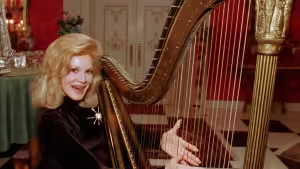
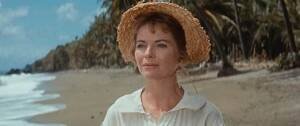
Heather Graham—born January 29, 1970, in Milwaukee, Wisconsin—is one of those actresses who’s managed to do something Hollywood doesn’t always reward: be both beautiful and interesting. She burst onto the scene in the early ’90s with “License to Drive” (alongside the two Coreys, who were practically a franchise unto themselves), but it was her unforgettable turn as Rollergirl in “Boogie Nights” that proved she was more than just another pretty face in Tinseltown.
Since then, she’s bounced between comedy (“The Hangover”), drama (“From Hell”), and television (“Scrubs,” “Gilmore Girls”), all while occasionally stepping behind the camera to write and direct. She’s built a career on versatility, unpredictability, and a refusal to be pigeonholed—qualities that, as we’ll discover, might just run in the family.
But here’s what you might not know about Heather Graham: beneath that California blonde exterior beats the heart of an Irish lass. Both sides of her family tree have roots firmly planted in Irish soil, and that heritage isn’t just a genealogical footnote—it’s a living connection that has shaped her identity, influenced her work, and informed her perspective on life and art.
Now, before you roll your eyes and think, “Oh great, another celebrity claiming Irish heritage because it sounds romantic,” hear me out. Graham’s connection to Ireland isn’t some vague “my great-great-grandmother might have been Irish” situation. Her paternal grandparents immigrated from County Roscommon in the early 20th century, and her mother’s side is Irish as well. This is the real deal—the kind of Irish ancestry that comes with family stories, cultural traditions, and that particular blend of resilience and creativity that somehow survived the Atlantic crossing.
So settle in with your beverage of choice (I’m assuming tea or something stronger—we’re exploring Irish heritage, after all), and let’s trace Heather Graham’s journey from the pubs of Roscommon to the studios of Hollywood, discovering how Celtic roots and California dreams intertwined to create one of the industry’s most intriguing talents.
The Graham Family: Where Ireland Meets Wisconsin
Right, let’s get into the family history—the good stuff that explains how someone born in Milwaukee ends up carrying the spirit of the Emerald Isle.
Heather’s father, James Graham, was more than just a parent—he was a keeper of stories, a preserver of heritage, a man who understood that family history matters. His parents had immigrated from County Roscommon, Ireland, in the early 20th century, part of that great wave of Irish people seeking better opportunities across the Atlantic. And James made damn sure those stories didn’t die with that generation.
Picture young Heather sitting with her father, listening to tales of her grandparents’ journey from rural Ireland to industrial America. These weren’t sanitized, Disney-fied versions of immigration—they were real stories about real struggles, about leaving everything familiar, about facing discrimination, about working jobs that would break your back and your spirit if you let them. But they were also stories about community, determination, and that particularly Irish stubbornness that says “I’ll show you what I’m capable of.”
County Roscommon, for those unfamiliar, sits in the heart of Ireland—not coastal, not particularly famous, but beautiful in that quietly profound way that rural Ireland excels at. It’s a place of ancient ruins, rolling hills, and people who remember their history because their landscape won’t let them forget. Heather’s grandparents carried that place with them to America, along with their values, their traditions, and their stories.
But the Irish connection doesn’t stop with her father’s side. Her mother, Joan Graham, is also of Irish descent. Joan was a teacher—fitting, really, given the Irish reverence for education—and she actively encouraged Heather to explore and embrace her cultural heritage. Joan understood that knowing where you come from helps you understand where you’re going.
Family gatherings in the Graham household weren’t just meals—they were cultural celebrations. Traditional Irish music would fill the house (probably competing with the neighbors’ radios, as Irish music tends to be enthusiastically loud). Stories would be shared, embellished, and passed down—because that’s what Irish families do. They turn history into narrative, memory into legend, and ordinary moments into tales worth retelling.
This environment—steeped in Irish culture, enriched by storytelling, grounded in respect for heritage—this is where Heather Graham’s artistic sensibilities were formed. Before she ever stepped in front of a camera, she was learning the most Irish of arts: the art of the story.
Understanding Irish Heritage: Beyond the Stereotypes
Before we go further, let’s talk about what Irish heritage actually means, beyond the leprechauns and “Kiss Me, I’m Irish” t-shirts that appear every March 17th.
Irish culture is fundamentally about survival through storytelling and community. For centuries, the Irish maintained their identity despite occupation, famine, and systematic attempts to erase their culture. How? Through music, language, stories, and an almost defiant commitment to remaining Irish no matter what anyone else said.
The Irish language—Gaelic—is experiencing a revival after coming dangerously close to extinction. This wasn’t natural language death; this was cultural suppression. The British tried to kill Irish through education policy and social pressure, and nearly succeeded. But Irish people refused to let it die completely, and now young people are reclaiming it as a point of pride. Language isn’t just communication—it’s cultural DNA, and the Irish understand this intimately.
Then there’s the music. Irish traditional music isn’t background noise—it’s the heartbeat of culture. The fiddle, the bodhrán (that drum that sounds like it’s calling your ancestors), the uilleann pipes that can make you cry even if you don’t know why—these instruments carry centuries of emotion. Irish music encompasses both the mournful ballads that make you want to cry into your whiskey and the jigs that make you want to dance despite having no rhythm whatsoever.
Irish customs emphasize hospitality, family bonds, and community cohesion in ways that modern society often forgets. You look after your own. You welcome strangers. You share what you have, even when you don’t have much. These aren’t just nice ideas—they’re survival strategies that became cultural values.
St. Patrick’s Day gets commercialized to hell and back, but at its core, it’s about maintaining cultural identity in diaspora—about saying “we’re still here, we’re still Irish, and we’re proud of it” even when you’re thousands of miles from Ireland.
For Heather Graham, connecting with this heritage means engaging with something deeper than ethnicity—it means tapping into a cultural tradition that values creativity, resilience, storytelling, and community. These aren’t abstract concepts; they’re practical values that inform how you move through the world.
When Celtic Meets Celluloid: Irish Influence in Heather’s Work
Now here’s where it gets really interesting: how does Irish heritage influence an actress who’s primarily known for very un-Irish roles? The answer is more subtle and fascinating than you might think.
Take her role in “From Hell,” where she played Mary Kelly in the Jack the Ripper story. On the surface, it’s a gothic horror thriller. But look deeper, and you see themes that resonate powerfully with Irish culture: tragedy, resilience in the face of horror, the working class struggling against systems that don’t value them, Celtic folklore’s influence on gothic aesthetics. Graham didn’t just play a victim—she played a survivor, and survival is perhaps the most Irish theme there is.
Then there’s “The Last Word,” where she explores themes of mortality and legacy. These philosophical questions about life’s meaning, about what we leave behind, about confronting death with dignity—these are deeply embedded in Irish literature and tradition. Irish culture has never shied away from discussing death; in fact, Irish wakes turn mourning into celebration, refusing to let death have the final word.
Even in lighter fare like “The Hangover,” there’s something distinctly Irish about Graham’s approach: the ability to find humor in chaos, to remain grounded when everything around you is madness, to be both part of the absurdity and slightly above it. Irish humor operates exactly this way—we’re laughing at the tragedy because if we don’t laugh, we’ll cry, and crying is far less productive.
But beyond specific roles, Graham’s career trajectory itself reflects Irish values. She’s refused to be limited by Hollywood’s narrow definitions of what actresses should be. She’s taken risks on independent projects. She’s moved into writing and directing rather than settling for what was offered. She’s built a career on her own terms, and that stubborn independence? That’s very Irish.
In interviews, Graham has spoken about her fascination with Irish culture and how it influences her choices. She doesn’t hit you over the head with “I’m playing this character as Irish”—instead, she draws from a deeper well of cultural understanding, bringing emotional authenticity informed by generations of storytelling tradition.
Tracing the Threads: Genealogy and the Irish Connection
For anyone interested in exploring their own Irish roots (and after reading about Heather’s connection, who wouldn’t be?), genealogy research has become remarkably accessible—though still occasionally frustrating in that particularly Irish way where records mysteriously vanish just when you need them most.
The digital age has been a gift to genealogy nerds. Websites like Ancestry.com and FamilySearch.org contain vast collections of Irish records—birth, marriage, and death certificates; census records; immigration documents. These resources can help you trace family back to specific counties, parishes, even townlands in Ireland.
Irish census records are particularly valuable, though there’s a tragic gap: the 1821-1851 census records were largely destroyed in the Irish Civil War when the Public Record Office was bombed. It’s heartbreaking for genealogists but also somehow fitting—even Irish historical records reflect the country’s tumultuous history.
DNA testing through companies like 23andMe and MyHeritage has revolutionized ancestry research. You can discover not just that you’re Irish, but what regions your ancestors came from, and potentially connect with distant relatives you never knew existed. Imagine finding out you’re related to someone in Galway who’s been researching the same family line from the other direction.
For serious researchers, Irish archives are treasure troves. The National Archives of Ireland and the Public Records Office of Northern Ireland house historical documents that online databases haven’t digitized. Local genealogical societies can provide access to unique records and offer expertise specific to particular regions.
County Roscommon, where Heather’s grandparents emigrated from, has its own genealogy resources. Local historical societies maintain records of families, land ownership, and parish registers that might not be available elsewhere. The town of Roscommon itself has a heritage center dedicated to helping people trace their roots.
The journey of tracing Irish ancestry isn’t just about filling in a family tree—it’s about connecting with real people who made real choices that led to you existing. It’s about understanding that your great-great-grandmother who boarded a coffin ship to America was an actual person with hopes, fears, and probably a lot of courage.
Art as Heritage Preservation
Heather Graham represents something beautiful: artists using their platforms to celebrate and preserve cultural heritage. She’s part of a tradition of Irish-American artists who refuse to let their roots be reduced to stereotypes or forgotten entirely.
Through her work in film, Graham participates in a larger cultural conversation about Irish identity in America. When she chooses roles that resonate with Irish themes—tragedy, resilience, dark humor, philosophical questioning—she’s continuing a storytelling tradition that stretches back centuries.
Irish heritage in art isn’t just about shamrocks and Celtic knots (though both are lovely in their place). It’s about engaging with themes that matter to Irish culture: the struggle for justice, the importance of community, the power of storytelling, the search for meaning in difficult circumstances, the refusal to let hardship define you.
Visual artists draw inspiration from Ireland’s breathtaking landscapes—the Cliffs of Moher, the rolling green hills, the ancient ruins that dot the countryside like punctuation marks in a historical narrative. These images aren’t just pretty—they’re cultural touchstones that connect modern Irish people to their ancestors who walked the same land.
Irish literature has produced an disproportionate number of Nobel Prize winners (Yeats, Shaw, Beckett, Heaney—the list goes on). This isn’t coincidence; it’s cultural priority. When you come from a tradition that values words, that understands stories as survival tools, that sees language as resistance, you produce extraordinary writers.
Music remains perhaps the most accessible way to engage with Irish heritage. Traditional sessions happen in pubs worldwide, keeping old tunes alive while creating space for new ones. The music isn’t museum piece—it’s living tradition, evolving while maintaining connection to its roots.
Graham’s participation in cultural events, her promotion of Irish artistic expression, her willingness to discuss her heritage publicly—these aren’t just nice gestures. They’re acts of cultural preservation. Every time a prominent person celebrates their Irish roots authentically, they push back against cultural amnesia, they give younger people permission to explore their own heritage, they keep the conversation alive.
In Heather’s Own Words: Reflections on Heritage
When Heather Graham speaks about her Irish ancestry, you can hear genuine reverence—not the performative “I’m 1/16th Irish” that celebrities trot out for St. Patrick’s Day publicity, but real connection to real heritage.
“Understanding where I come from has always been a guiding light for me,” she’s said, and you can feel the weight of that statement. This isn’t abstract philosophy—it’s practical wisdom passed down through generations of Grahams who understood that knowing your history helps you navigate your future.
In interviews, Heather has recounted the family stories that shaped her understanding of resilience and creativity. “My ancestors faced great challenges, and their strength inspires me every day. It’s as if they are whispering encouragement in my ear as I navigate my own journey in the entertainment industry.”
Think about that for a moment: she’s invoking her Irish ancestors as daily inspiration. These aren’t distant historical figures—they’re present spirits, active influences in her contemporary life. That’s the Irish relationship with ancestors in a nutshell: they’re not buried in the past; they’re woven into the present.
She’s spoken movingly about visiting Ireland: “Walking the lands where my family once lived made history come alive. It’s vital to honor those who came before, to understand their sacrifices and celebrate their spirit.” This kind of pilgrimage—returning to ancestral homelands—is incredibly powerful for descendants of immigrants. It’s about touching the same soil, breathing the same air, seeing the same landscapes that your grandparents saw before they left everything familiar behind.
These aren’t throwaway quotes from press junkets. They’re authentic reflections from someone who’s done the work of understanding her heritage, who’s thought deeply about what it means to carry Irish blood in American veins, who’s committed to honoring that legacy through both her life and her art.
Conclusion: The Legacy Lives On
So what have we learned from exploring Heather Graham’s Irish ancestry? Perhaps most importantly, that heritage isn’t passive—it’s active, living, breathing, and constantly influencing who we are and how we move through the world.
Heather’s journey from Milwaukee to Hollywood, informed by roots in County Roscommon, exemplifies how ancestry enriches rather than limits identity. Her Irish heritage hasn’t constrained her to playing Irish characters or making Irish-themed films. Instead, it’s provided a foundation of values—resilience, creativity, storytelling, independence—that inform everything she does.
The Graham family’s story is the immigrant story writ small: people leaving everything they know, facing discrimination and hardship, working impossibly hard so their children and grandchildren could have opportunities they never had. James and Joan Graham made sure Heather knew this story, understood this sacrifice, appreciated this legacy. And she’s honored it—not just by acknowledging her Irish roots, but by embodying Irish values in her career and life.
Her story reminds us that exploring ancestry isn’t just genealogical curiosity—it’s self-discovery. Understanding where we come from helps us understand where we’re going. The sacrifices our ancestors made, the values they maintained, the stories they preserved—these aren’t historical artifacts; they’re living inheritance.
In today’s globalized world, where cultural identity can feel diluted or confused, figures like Heather Graham model how to maintain connection to heritage while fully engaging with contemporary life. You don’t have to choose between being Irish and being American, between honoring tradition and embracing innovation, between celebrating your roots and reaching toward new horizons.
Moreover, her example encourages us to do our own genealogical exploration. Those family stories your grandparents tell? Record them. Those immigration documents in someone’s attic? Digitize them. Those traditions that seem old-fashioned? Consider maintaining them. Heritage is only lost when we stop actively preserving it.
Heather Graham’s Irish ancestry—from her grandparents’ journey from Roscommon to her parents’ commitment to cultural preservation to her own embrace of heritage—represents the best of what ancestral connection can be: not a limitation or a burden, but a gift that enriches identity and informs creativity.
So here’s to Heather Graham—actress, director, writer, and proud descendant of Irish immigrants who probably never imagined their granddaughter would become a Hollywood star while still honoring the values they carried across the ocean.
Here’s to the Graham family, who understood that heritage matters and made sure it was passed down.
Here’s to County Roscommon and all the Irish places that sent their people abroad while somehow remaining in their hearts.
And here’s to all of us with Irish ancestry, whether we’re famous actresses or ordinary people just trying to understand where we came from so we can better understand where we’re going.
As the Irish would say: Sláinte to heritage, to family, to the stories that connect us across generations and oceans. And may we all honor our ancestors by living fully, creating boldly, and passing the best of our heritage forward.
Now, if you’ll excuse me, I need to go research my own family tree. Heather’s made it look far too compelling to ignore—and I suspect that’s exactly what her Irish ancestors would have wanted.
Shop new arrivals
-
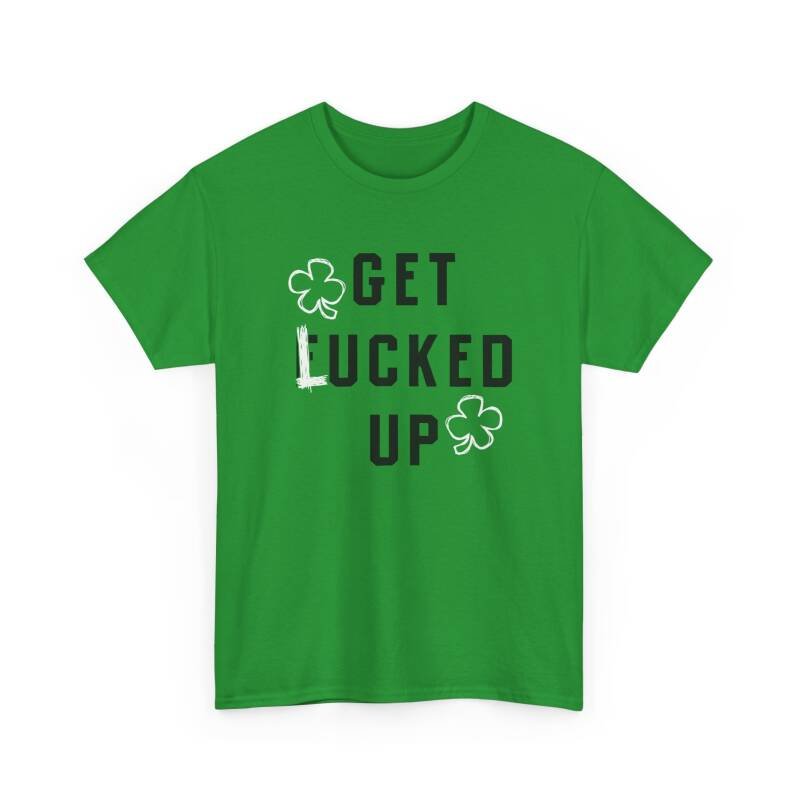
“Get Lucked Up” Unisex T-Shirt – Shamrock Shenanigans
Price range: $19.99 through $25.99 -
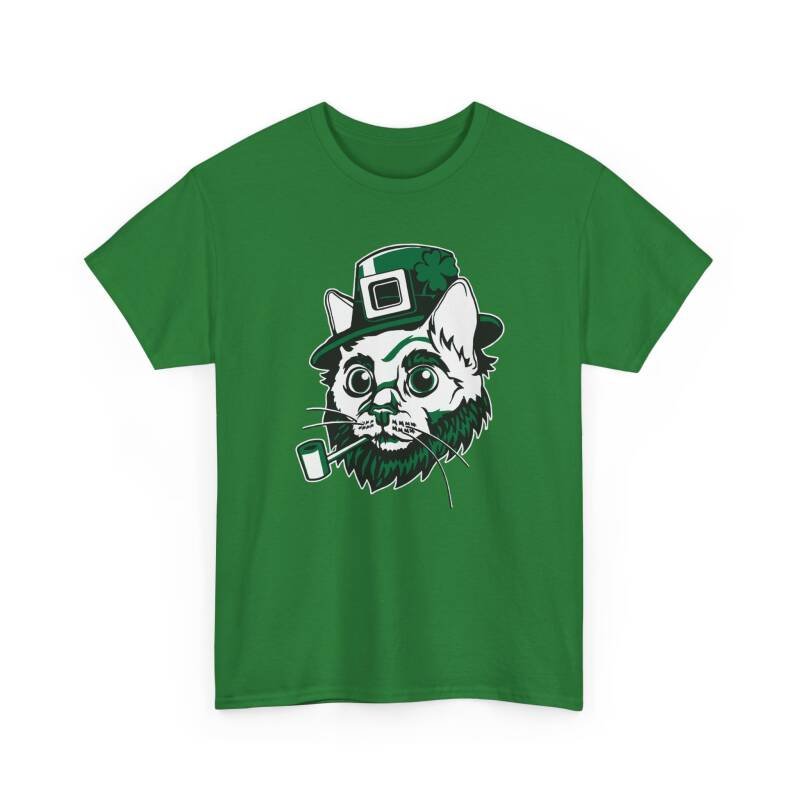
“Leprechaun Cat” Unisex T-Shirt – Purrfectly Lucky
Price range: $19.99 through $25.99 -

4-Leaf Clover USA Flag Unisex T-Shirt – Irish American Pride Tee in Green for Heritage & Gifting
Price range: $22.99 through $27.89 -

American Grown with Irish Roots Unisex T-Shirt – USA & Ireland Flag Heritage Tee
Price range: $22.99 through $27.89 -

Biting Lip Irish Pop Art Unisex T-Shirt – Sexy Green Shamrock Tee with Glitter Vibes
Price range: $22.99 through $27.89