Introduction: Maggie Greene Has Irish Blood
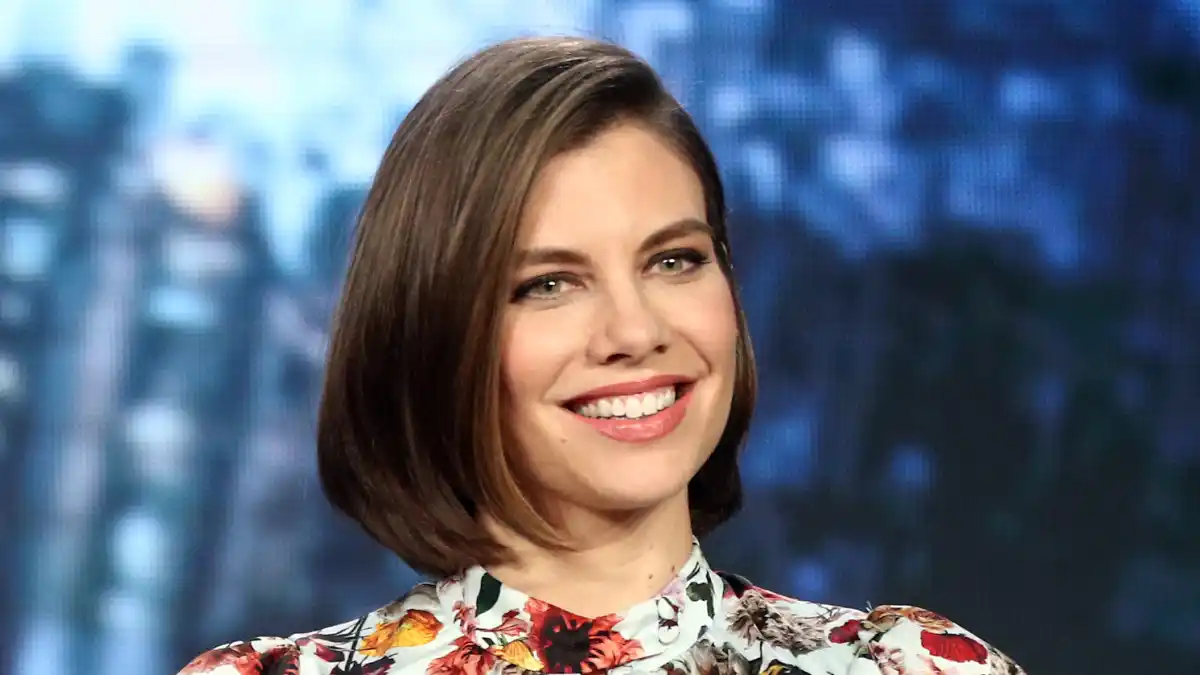
Lauren Cohan—born November 30, 1982, in Philadelphia, Pennsylvania—is one of those actresses who manages to be both tough as nails and emotionally vulnerable, often in the same scene. You know her as Maggie Greene from “The Walking Dead,” the farm girl who evolved into a hardened survivor and leader while maintaining her humanity through apocalyptic horror. Or maybe you spotted her in “Batman v Superman: Dawn of Justice,” or the creepy thriller “The Boy,” or any number of roles where she brings emotional depth and authentic strength to complex characters.
Born in Philadelphia but raised partly in the United Kingdom (we’ll get to that transatlantic childhood), Cohan has built a career spanning over a decade across television and film. She’s earned critical acclaim, a dedicated fanbase, and recognition as an actress who doesn’t just play strong women—she makes them feel genuinely human, flawed, struggling, surviving.
But here’s something that might surprise you about this Philadelphia-born, UK-raised, Hollywood-working actress: she’s got Irish blood running through her veins. Her mother is of Irish descent, connecting Lauren to a heritage that stretches back to the Emerald Isle and includes the classic immigrant story of families leaving Ireland seeking better lives in America.
Now, before you think “Oh great, another celebrity claiming Irish heritage,” let me stop you right there. Cohan’s Irish connection isn’t performative or occasional. Her maternal grandparents immigrated from Ireland to the United States during that great wave of Irish emigration, bringing with them the culture, values, and stories that would shape their descendants—including one who’d grow up to fight zombies on television while embodying the resilience her Irish ancestors would absolutely recognize.
Lauren has spoken openly about her pride in her Irish heritage, has visited Ireland multiple times to connect with her roots, and credits her Irish background with influencing her values, her approach to storytelling, and her understanding of resilience—which, let’s be honest, you need in spades to survive “The Walking Dead” both as a character and as an actress working on that grueling production schedule.
So grab your preferred beverage (and given we’re discussing Irish heritage, I’m making certain assumptions about what might be in that glass), and let’s explore how a lass born in Philadelphia carries the spirit of Irish emigrants, how Celtic cultural values might have influenced one of television’s most compelling performances, and why heritage matters even when you’re fighting fictional zombies in Georgia.
Fair warning: this journey involves discussion of emigration, struggle, and the kind of historical hardship that makes zombie apocalypses seem almost relaxing by comparison. But we’ll also celebrate resilience, cultural pride, and that particularly Irish ability to maintain identity and values across oceans and generations—which, honestly, sounds a lot like Maggie Greene’s survival strategy.
The Cohan Family: A Transatlantic Tapestry
Let’s start by unpacking Lauren Cohan’s fascinatingly international family background—because her story involves more border-crossing than most people manage in a lifetime.
Lauren was born in Philadelphia, Pennsylvania, to an American father and a British mother of Irish descent. Already we’re dealing with multiple nationalities and cultural influences—American, British, Irish—all woven into one family story. Her father is Jewish-American, adding another layer of cultural heritage to this gorgeous ethnic tapestry.
But here’s where it gets interesting: Lauren moved to the United Kingdom during her childhood, spending formative years in Britain while maintaining American citizenship and connections. This transatlantic upbringing created someone who’s simultaneously American and British, comfortable navigating multiple cultural contexts, fluent in code-switching between accents and cultural norms.
Her mother’s Irish heritage came from grandparents who immigrated from Ireland to the United States during that massive wave of Irish emigration seeking better opportunities. These weren’t ancient ancestors from centuries past—these were recent enough that family stories, cultural practices, and Irish identity remained active parts of family life rather than distant genealogical trivia.
Growing up with an Irish mother meant Lauren was exposed to Irish cultural values, stories, and traditions firsthand. Not the performative “we’re Irish on St. Patrick’s Day” kind of heritage, but the lived experience kind—where family gatherings included Irish stories, where cultural values shaped family dynamics, where being Irish wasn’t costume but identity.
The emphasis on family, storytelling, resilience, and community that characterizes Irish culture would have been woven into Lauren’s upbringing naturally. Her maternal grandparents’ immigration story—leaving Ireland, building American lives, maintaining cultural identity—these weren’t abstract historical narratives but family history, personal legacy.
This multicultural background—American birth, British upbringing, Irish maternal heritage, Jewish paternal heritage—created someone with unusually broad cultural literacy. Lauren can navigate American, British, and Irish contexts with equal comfort, drawing from multiple cultural wells in her life and work.
From Ireland to America: The Grandparents’ Journey
To understand Lauren Cohan’s Irish roots, we need to understand why her maternal grandparents left Ireland for America—and that story, while specific to her family, echoes millions of similar journeys.
Irish emigration has been constant for centuries, but the 20th century saw continued waves of Irish people leaving for economic opportunity. While the Great Famine of the 1840s drove the most devastating exodus, economic hardship, limited opportunities, and political challenges continued pushing Irish people abroad throughout the 1900s.
Lauren’s maternal grandparents were part of this ongoing story—Irish people who looked at their prospects at home and decided their children would have better chances in America. Imagine making that choice: leaving your homeland, your extended family, your entire familiar world, boarding a ship (by the 20th century, conditions were better than the horrific “coffin ships,” but emigration was still wrenching) headed to a country where you’d be starting from zero.
Unlike the famine-era emigrants who fled starvation, Lauren’s grandparents likely left seeking economic opportunity—better jobs, education for children, futures that Ireland couldn’t provide at that time. But leaving is still leaving. You’re abandoning landscapes you love, people you care about, the cultural context where you’re fully understood and fully yourself.
Irish emigrants in America faced challenges beyond simple economic struggle. “No Irish Need Apply” signs might have been less common by the mid-20th century, but discrimination persisted. Irish-Americans had climbed social ladders, yes, but prejudice remained. Building American lives while maintaining Irish identity required deliberate effort.
What’s remarkable about Irish emigrants—including Lauren’s grandparents—is their refusal to completely assimilate and disappear. They built American lives while maintaining Irish values, told Irish stories to their children, preserved cultural practices, ensured their descendants knew where they came from. This cultural preservation wasn’t accidental; it was intentional work across generations.
The stories of perseverance and adaptation that Lauren’s grandparents carried—their journey from Ireland to America, their struggles establishing themselves, their determination that their children and grandchildren would benefit from their sacrifices—these became part of family lore, shaping how subsequent generations understood resilience, determination, and the importance of honoring where you came from.
Irish Values, American Life: Cultural Influence on Identity
Irish culture isn’t just about geography or genetics—it’s about values, traditions, and ways of understanding the world that persist across generations and oceans. And many of these values are clearly evident in how Lauren Cohan approaches her life and career.
Let’s start with family. Irish culture places enormous emphasis on family bonds, loyalty, and maintaining connections across generations. You look after your own. You honor those who came before. You preserve family stories because they’re how identity survives.
Lauren has spoken about the importance of family in her life, about stories passed down through generations, about pride in her maternal heritage. This isn’t generic “family matters” sentiment—it’s specifically Irish cultural priority, where family isn’t just important but foundational to identity.
Then there’s storytelling. Irish culture has been telling stories since before written language existed—epic tales, family histories, cautionary fables, humorous anecdotes. Stories are how culture survives, how values transmit, how identity maintains itself across displacement and time.
For an actress, this cultural reverence for storytelling provides rich foundation. Lauren’s approach to character development, her ability to find emotional truth in dramatic situations, her understanding that stories are how we make sense of human experience—these align beautifully with Irish cultural traditions.
Irish culture also emphasizes resilience—the ability to endure hardship without breaking, to find humor in darkness, to keep going when circumstances are grim. Centuries of occupation, famine, poverty, and discrimination didn’t destroy Irish identity; they forged it into something remarkably durable.
Watch Lauren’s portrayal of Maggie Greene through this lens. Maggie loses her father, her sister, faces constant danger, watches friends die, survives captivity and torture—and keeps going. She doesn’t become hardened to the point of losing humanity; she maintains compassion, loyalty, moral code while developing the toughness necessary for survival. That’s very Irish, actually—resilience that doesn’t require sacrificing core values.
Irish culture values authenticity and emotional honesty. We’re a people who feel deeply but often express it through indirect channels—humor, music, stories rather than direct emotional declaration. Genuine emotion is sacred; emotional manipulation is contemptible.
Lauren’s performances exhibit this quality—genuine emotional vulnerability without melodrama, authentic feeling without manipulation. She makes characters feel real, their struggles genuine, their emotions honest. This approach to acting aligns remarkably well with Irish cultural values around emotional authenticity.
Community matters intensely in Irish culture. You contribute to your community, you look after people beyond just your immediate family, you understand yourself as part of something larger than individual achievement.
“The Walking Dead” is fundamentally about community—how groups survive together, how leadership emerges, how people maintain humanity and ethics in impossible circumstances. Maggie’s evolution into community leader, her commitment to protecting her people, her understanding that survival is collective rather than individual—these themes resonate deeply with Irish cultural values.
Connecting to Ireland: Pilgrimage and Pride
For Lauren Cohan, Irish heritage isn’t abstract genealogy—it’s living connection that she actively nurtures through visiting Ireland and engaging with Irish culture.
Lauren has made multiple trips to Ireland, experiencing the country her grandparents left, walking landscapes they knew, connecting with the culture that shaped their values before they crossed the Atlantic. These aren’t tourist vacations—they’re heritage pilgrimages, ways of understanding family history by experiencing the place where it began.
In interviews, Lauren has spoken movingly about these Irish visits, describing how walking Irish soil creates tangible connection to ancestors, how experiencing Irish landscapes helps her understand family stories, how engaging with contemporary Irish culture enriches her appreciation of heritage.
There’s something powerful about returning to ancestral homelands. You’re touching the same earth, breathing the same air, seeing the same vistas that your grandparents saw before everything changed. It makes family stories real—they’re not abstract narratives but actual places, actual experiences, actual people whose choices led directly to your existence.
Lauren has also shared family anecdotes—stories passed down through generations that highlight the spirit and resilience associated with Irish people. These aren’t sanitized, romanticized tales but real family history: struggles overcome, hardships endured, determination that kept family going when circumstances were grim.
This kind of storytelling—preserving family narratives across generations—is itself deeply Irish. We’re a culture that treats family stories as treasures, that believes in honoring ancestors by remembering and retelling their experiences, that understands personal identity as inseparable from family history.
Lauren’s public pride in her Irish heritage resonates with fans, particularly those of Irish descent who appreciate seeing their culture represented by someone they admire. When celebrities authentically embrace their heritage rather than exploiting it for publicity, it creates genuine connection with audiences who share that background.
Moreover, her Irish heritage influences how she approaches storytelling and character development—skills vital to her work as actress. The Irish emphasis on narrative, on finding universal truth in specific stories, on balancing humor and tragedy—these inform artistic approach even when characters aren’t explicitly Irish.
When Irish Meets Apocalypse: Heritage in Performance
Now here’s where we get wonderfully speculative: how might Irish heritage influence an actress playing a character surviving zombie apocalypse? The answer is more fascinating than you might think.
Maggie Greene isn’t written as Irish. She’s a Georgia farm girl navigating impossible circumstances. But watch Lauren’s portrayal through the lens of Irish cultural values, and interesting patterns emerge.
Irish culture has centuries of experience with catastrophic hardship—famine, occupation, poverty, displacement. This creates cultural narratives about survival, about maintaining humanity when circumstances are inhumane, about finding reasons to keep going when everything seems hopeless.
Maggie’s journey mirrors these themes. She faces loss after loss—father murdered, sister killed, home destroyed, friends dead—and keeps going. She doesn’t become nihilistic or abandon moral code; she develops toughness while maintaining compassion, becomes a leader while remaining connected to community values.
This approach to survival—resilient but not hardened, tough but not cruel, determined but not ruthless—aligns remarkably well with Irish cultural narratives about enduring hardship. You survive, but you don’t let survival cost your humanity. You get through, but you bring your values with you.
Irish culture also emphasizes loyalty and community bonds. You stand by your people. You don’t abandon those who depend on you. You understand that survival is collective effort, not individual achievement.
Maggie’s fierce loyalty to her group, her evolution into protective leader, her commitment to building and preserving community even amid apocalypse—these reflect values that Irish culture has prioritized for centuries. When everything else is stripped away, what remains is people looking after people.
The Irish relationship with land and home resonates too. For a people forcibly displaced from land for centuries, the connection to place runs deep—not just sentimentality but understanding that land, home, community are worth fighting for.
Maggie’s determination to build and protect Hilltop, to create safe haven, to preserve community against external threats—this mirrors Irish historical struggles to maintain home, land, community against forces trying to displace or destroy them.
Even the dark humor that occasionally surfaces in “The Walking Dead”—finding moments of levity amid horror, laughing because the alternative is breaking down—that’s very Irish. We’re a culture that’s been finding humor in darkness for centuries because humor is survival tool, way of maintaining sanity when circumstances are insane.
Irish Artists, Global Stages: Cohan in Context
Lauren Cohan exists within a much larger tradition of Irish and Irish-American artists who’ve profoundly influenced global culture—though her particular blend of influences creates something uniquely her own.
Irish actors have dominated stages and screens disproportionately for generations. From classic Hollywood stars to contemporary performers, Irish and Irish-American actors bring emotional depth, technical excellence, and often an ability to access both vulnerability and strength that makes their performances compelling.
Think of actors like Saoirse Ronan, whose performances embody emotional authenticity while showcasing tremendous technical skill. Or Liam Neeson, who brings gravitas and genuine presence to roles. Or the countless Irish actors who’ve made their marks through commitment to craft and emotional honesty.
Irish writers have given the world literary giants—Joyce, Yeats, Beckett, Shaw, Wilde, Heaney. Four Nobel Prizes in Literature from a small island nation isn’t luck; it’s cultural priority. Irish culture treats language as sacred, storytelling as essential, words as powerful tools for preserving identity and exploring truth.
Irish musicians have influenced global music profoundly—from traditional sessions in tiny pubs to U2, The Cranberries, Hozier, and countless others. The Irish relationship with music is deep—it’s celebration, lament, resistance, identity, and community all expressed through melody.
Lauren fits into this tradition not by being explicitly Irish in her roles (mostly), but by embodying artistic approaches that align with Irish cultural values: commitment to emotional authenticity, understanding narrative as exploration of human experience, refusing to choose between entertaining audiences and moving them deeply.
When Lauren discusses being influenced by her Irish heritage, by family stories of resilience and determination, by cultural values around community and loyalty—she’s drawing from wells that Irish culture has been filling for centuries. Her heritage provides cultural foundation that strengthens everything built upon it.
Advocacy and Representation: Using Platform for Heritage
Lauren Cohan represents something important in contemporary celebrity culture: using public platform to celebrate and promote cultural heritage authentically rather than exploitatively.
Throughout her career, Lauren has actively engaged with Irish culture, participating in events celebrating Irish heritage, discussing her Irish background in interviews, using social media to promote Irish culture and connect with fans who share that heritage.
This isn’t performative or limited to St. Patrick’s Day publicity. It’s genuine engagement—supporting Irish cultural organizations, attending Irish events, discussing how Irish values influence her work and life, encouraging fans to explore their own ancestral backgrounds.
When celebrities with platforms use them to promote authentic cultural appreciation, it matters. It keeps cultural narratives alive, inspires people to explore their own heritage, pushes back against cultural amnesia that can erase immigrant stories within a generation or two.
Lauren’s portrayal of strong, resilient characters—while not explicitly Irish—brings visibility to values often associated with Irish culture: loyalty, resilience, community commitment, maintaining humanity through hardship. This subtle cultural influence enriches performances while honoring heritage.
She’s also spoken about the importance of representation in media, of telling diverse stories, of ensuring that cultural narratives beyond dominant ones get screen time and authentic portrayal. This commitment to representation extends her Irish heritage into broader advocacy for cultural authenticity.
On social media, Lauren engages in discussions promoting Irish culture, connecting with fans of Irish descent, celebrating Irish traditions and achievements. This creates community among people who share heritage, fostering dialogue about what Irish identity means in contemporary context.
By amplifying Irish stories and cultural achievements, Lauren uses her platform to honor heritage while encouraging others to explore their own roots. This work of cultural preservation and celebration is itself very Irish—we’re a people who believe in honoring where you came from even as you move forward.
Public Perception: When Maggie Greene Has Irish Blood
Lauren Cohan’s Irish heritage fascinates fans, particularly those who share Irish ancestry or who appreciate the cultural influences that shape their favorite performers.
Social media discussions about Lauren’s Irish roots often become spaces where fans share their own Irish heritage stories, creating community around shared ancestry. Hashtags celebrating Irish culture frequently tag Lauren, connecting her to broader conversations about Irish identity, immigration, and cultural preservation.
During Irish cultural celebrations—particularly St. Patrick’s Day—Lauren’s fans engage enthusiastically, discussing how her heritage influences her work, sharing appreciation for her authentic embrace of Irish identity, celebrating the representation she provides.
Media coverage of Lauren often highlights her Irish background, reinforcing public interest. Articles explore not just her successful career but also her family’s immigration story, her visits to Ireland, her public pride in Irish heritage—creating narrative that enriches audience understanding of who she is beyond her roles.
Fan forums frequently discuss how Lauren’s heritage might influence her performances, particularly her portrayal of resilient characters like Maggie Greene. These discussions elevate beyond simple biographical interest to genuine exploration of how cultural background informs artistic expression.
What’s particularly notable is the authenticity of Lauren’s engagement with her heritage. She doesn’t perform Irishness through stereotypes or exploit it for publicity. Instead, she discusses Irish values, family stories, cultural influences—treating heritage as genuine part of identity rather than marketing tool.
This authenticity resonates with audiences tired of celebrities treating heritage like costume jewelry. Lauren’s Irish roots are family history, lived experience, cultural foundation—and fans appreciate the difference.
Conclusion: Heritage as Foundation for Resilience
So what have we learned from exploring Lauren Cohan’s Irish ancestry? Perhaps most importantly, that heritage provides foundation—cultural values, family stories, understanding of resilience—that strengthens everything built upon it.
Lauren’s Irish roots, traced through her mother’s family back to grandparents who emigrated from Ireland seeking better opportunities, represent more than genealogical facts. They represent cultural continuity—values about family, community, storytelling, and resilience that survived transatlantic crossing and multiple generations to influence a granddaughter who’d become actress, producer, and advocate.
The journey from Ireland to America, from emigrant struggle to established American life to successful entertainment career—this spans generations and involves enormous determination, adaptation, and cultural preservation. Lauren’s grandparents couldn’t have imagined their granddaughter fighting zombies on television, but they’d absolutely recognize the values she embodies: loyalty, resilience, commitment to community, refusal to let hardship destroy humanity.
How does Irish heritage influence an actress’s work? Subtly but significantly. Irish cultural values—emphasis on storytelling, emotional authenticity, community loyalty, resilience through adversity, finding humanity in hardship—these inform artistic approach even when characters aren’t explicitly Irish.
Lauren’s portrayal of Maggie Greene, viewed through lens of Irish heritage, becomes richer: a character whose survival strategy mirrors Irish cultural narratives about enduring catastrophe while maintaining values, whose leadership reflects Irish emphasis on community over individualism, whose resilience embodies centuries of Irish experience surviving impossible circumstances.
For those of us with Irish ancestry (or any immigrant heritage), Lauren’s story offers important reminder: heritage matters not as limitation but as foundation, not as nostalgia but as living connection to values and stories that shaped who we are. Those Irish ancestors who crossed oceans, who survived discrimination, who built lives while maintaining culture—their courage and determination live on in descendants who honor their memory by living fully and authentically.
So here’s to Lauren Cohan—actress, producer, advocate, and proud descendant of Irish emigrants who left everything familiar seeking better lives and whose dreams find fulfillment in ways they couldn’t have imagined.
Here’s to her maternal grandparents, who carried Irish values across the Atlantic and ensured their descendants knew where they came from.
Here’s to Ireland and all it represents—beauty and hardship, storytelling and resilience, community and determination.
And here’s to all of us with Irish ancestry, whether we’re fighting zombies on television or ordinary challenges in ordinary lives—may we honor our ancestors by embodying the best of their values while forging our own paths forward.
As the Irish would say: Sláinte to heritage, to the values that persist across oceans and generations, to the family stories that connect us to something larger than ourselves, and to the resilience that lets us survive whatever apocalypse—literal or metaphorical—we face.
Now if you’ll excuse me, I need to rewatch “The Walking Dead” with fresh appreciation for how Irish cultural values might inform character portrayal, and maybe plan a trip to Ireland myself. Lauren’s made both look far too compelling to ignore—and I suspect that’s exactly what her Irish grandparents would have wanted: descendants who honor where they came from while fully engaging with where they’re going.
Erin go Bragh—Ireland forever, even when you’re generations removed, even when you’re fighting fictional zombies in Georgia, even when heritage manifests through values rather than accents. The spirit persists where we let it live.
Shop new arrivals
-
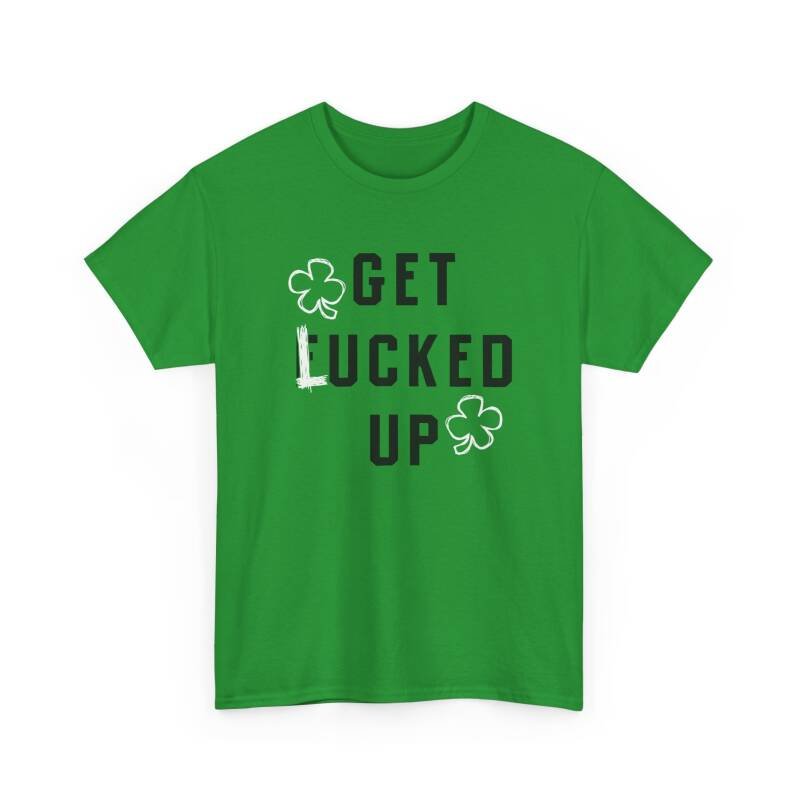
“Get Lucked Up” Unisex T-Shirt – Shamrock Shenanigans
Price range: $19.99 through $25.99 -
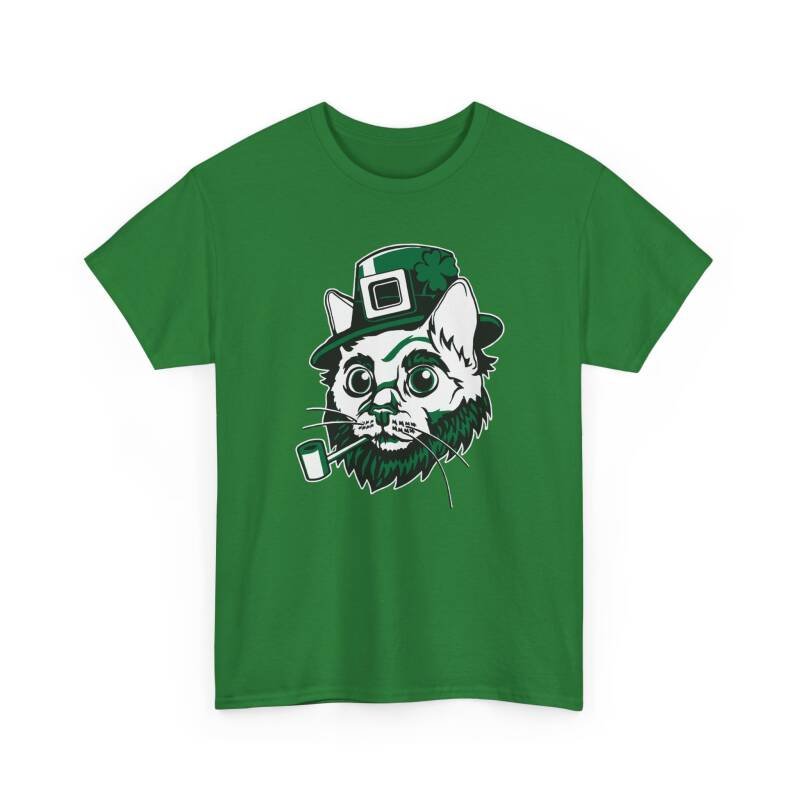
“Leprechaun Cat” Unisex T-Shirt – Purrfectly Lucky
Price range: $19.99 through $25.99 -

4-Leaf Clover USA Flag Unisex T-Shirt – Irish American Pride Tee in Green for Heritage & Gifting
Price range: $22.99 through $27.89 -

American Grown with Irish Roots Unisex T-Shirt – USA & Ireland Flag Heritage Tee
Price range: $22.99 through $27.89 -

Biting Lip Irish Pop Art Unisex T-Shirt – Sexy Green Shamrock Tee with Glitter Vibes
Price range: $22.99 through $27.89