
Introduction: The Pop Star with Irish DNA
Nick Carter—born January 28, 1980, in Jamestown, New York—is one of those names that instantly transports an entire generation back to the late ’90s. You know him as the blonde heartthrob from the Backstreet Boys, the youngest member who helped define a musical era with hits like “I Want It That Way” and “Everybody (Backstreet’s Back).” Along with his bandmates, he became part of one of the best-selling music acts of all time, moving over 100 million records worldwide and making teenage hearts flutter across the globe.
But Nick’s career extends far beyond boy band fame. He’s released solo albums like “Now or Never” and “I’m Taking Off,” competed on “Dancing with the Stars” (proving pop stars can indeed move in ways other than choreographed dance routines), ventured into acting, and perhaps most admirably, become an advocate for mental health awareness, using his platform to discuss personal struggles with remarkable transparency.
Here’s something that might surprise you about this pop culture icon: beneath that all-American boy band exterior runs Irish blood. Nick’s father, Robert Carter, carries deep Irish ancestry traced back to counties Cork and Antrim, connecting the Carter family to the classic immigrant story of Irish families leaving everything behind during the 19th century seeking better lives in America.
Now, before you think “Oh great, another celebrity claiming Irish heritage for St. Patrick’s Day street cred,” understand that the Carter family’s Irish connection represents genuine genealogical history. Nick’s Irish ancestors were part of that massive wave of Irish emigration—likely fleeing economic hardship or the devastating effects of the Great Famine—who crossed the Atlantic with nothing but determination and dreams that their descendants might have opportunities they couldn’t imagine.
The Carter surname itself isn’t Irish (it’s English, occupational—someone who transported goods by cart), but like many American families, the Carters are a gorgeous ethnic tapestry. Nick’s father brings Irish heritage, his mother Jane Elizabeth Spaulding contributes English and German ancestry—creating that quintessentially American blend where Sunday dinner might feature Irish soda bread, German sausages, and apple pie all at once.
So grab your beverage of choice (and given we’re exploring Irish heritage, I’m making certain assumptions about what might be in that glass), and let’s explore how a pop star from New York carries the DNA of Irish emigrants from Cork and Antrim, how Celtic cultural influences might have shaped one of pop music’s most successful careers, and why heritage matters even when you’re selling out stadiums worldwide.
Fair warning: this journey involves discussion of famine, emigration, and the kind of historical hardship that makes touring schedules seem like luxury vacations by comparison. But we’ll also celebrate resilience, cultural richness, and that particularly Irish ability to create beauty and joy even in difficult circumstances—which, honestly, sounds a lot like pop music’s purpose.
The Carter Family: An Irish-American Tapestry
Let’s start by unpacking Nick Carter’s family background—because understanding his Irish roots means understanding the journey his ancestors made and the cultural values they carried across an ocean.
Nick’s father, Robert Carter, is the Irish connection in this story. Genealogical research reveals that Robert’s lineage traces back to counties Cork and Antrim in Ireland—two regions with very different characters but equally rich histories.
County Cork sits in the southwest of Ireland, known for its rugged coastline, rolling green hills, and cities like Cork City that blend historical charm with vibrant contemporary culture. It’s Ireland’s largest county, and if you’ve imagined Ireland as impossibly beautiful, Cork has probably contributed to that mental image.
County Antrim is in Northern Ireland, in the northeast of the island, famous for the Giant’s Causeway (those hexagonal basalt columns that look computer-generated but are actually natural), dramatic coastal scenery, and a history that’s… complicated, given Northern Ireland’s political complexities.
The Carter family’s Irish ancestors likely emigrated during the 19th century—a period when leaving Ireland wasn’t really choice but necessity. Economic hardship was crushing rural Ireland even before the Great Famine, and the famine itself (1845-1852) devastated the country, killing over a million people and forcing another million to emigrate.
Imagine the Carters’ Irish ancestors making that decision: abandoning home, land (if they had any), extended family, cultural context where they were fully understood. Boarding ships where conditions were so horrific they were called “coffin ships”—and that name wasn’t metaphorical; many passengers died en route. Arriving in America to face discrimination (“No Irish Need Apply” signs were common), brutal working conditions, and starting from absolute zero.
But Irish immigrants had something remarkable: refusal to break. That particularly Irish stubbornness that says “you haven’t beaten me yet, and you bloody well won’t.” They built communities, supported each other, worked impossible jobs, saved impossible amounts, and ensured their children got educations and opportunities that would lift them higher.
Nick’s mother, Jane Elizabeth Spaulding, brings English and German ancestry into this ethnic mix—creating that beautifully American phenomenon where family heritage spans multiple countries and cultures. This multicultural background isn’t unusual; it’s actually quintessentially American, representing the gorgeous ethnic muddles that define American identity.
Growing up in Jamestown, New York, Nick was raised in this multicultural context—Irish from his father, English and German from his mother, all filtered through American experience. This blend of influences creates someone who can draw from multiple cultural wells, who understands identity as layered and complex rather than singular.
From Cork and Antrim to America: The Migration Story
To understand Nick Carter’s Irish roots, we need to understand why his ancestors left counties Cork and Antrim for America—and that story, while specific to the Carter family, echoes millions of similar journeys.
Irish emigration in the 19th century was driven by catastrophe and desperation. The Great Famine (1845-1852) killed over a million people through starvation and disease, and forced another million to flee. But economic hardship existed before the famine and persisted after—rural poverty was crushing, opportunities were limited, and British colonial policies made improving circumstances nearly impossible.
Counties Cork and Antrim both experienced significant emigration during this period, though for slightly different reasons. Cork, in the south, was devastated by the famine—rural populations dependent on potatoes faced starvation when the crop failed. Antrim, in the north, had different economic pressures but also saw massive emigration as people sought better lives abroad.
The Carter family ancestors were part of this exodus—Irish people who looked at their prospects at home and decided their children deserved better chances. This wasn’t adventure; this was survival strategy. You left because staying meant continuing poverty, limited opportunity, possibly starvation.
The journey itself was brutal. Ships crossing the Atlantic—particularly the cheaper ones Irish emigrants could afford—had horrific conditions. Overcrowding, disease (typhus and cholera were rampant), inadequate food and water, no sanitation beyond buckets. “Coffin ships” weren’t called that ironically—many passengers died before reaching America, and their bodies were simply thrown overboard.
If you survived the crossing, you arrived in American cities—often New York, Boston, or Philadelphia—to face new challenges. Irish immigrants were despised by many Americans. “No Irish Need Apply” signs appeared on businesses. Cartoons depicted Irish people as ape-like, violent, stupid. They were considered racially inferior, religiously suspect (Catholic in a Protestant-dominated country), and generally undesirable.
Irish immigrants took jobs nobody else wanted: dangerous construction work, domestic service, factory labor with brutal conditions. They worked for wages that barely sustained life, lived in crowded tenements, faced constant discrimination. But they persevered.
They built communities—tight-knit Irish neighborhoods where you could find work through connections, get help when desperate, speak with familiar accents, maintain cultural identity. They established churches, schools, social organizations. They supported each other because nobody else would.
And crucially, they ensured their children would have better. Education became priority—even when money was desperately tight, Irish immigrant families sacrificed for children’s schooling. Each generation was supposed to climb higher than the last, and largely, they did.
The Carter family’s journey from Irish emigrants to successful American family—eventually producing a son who’d become international pop star—represents this multi-generational climb. Nick’s Irish ancestors couldn’t have imagined their descendant would sell millions of records worldwide, but they’d recognize the determination, work ethic, and refusal to let circumstances define limits.
Irish Values in American Pop: Cultural Influence on Creativity
Now here’s where we get fascinatingly speculative: how might Irish heritage—several generations removed—influence a pop star known for catchy hooks and synchronized dance moves? The answer is more interesting than you might think.
Irish culture places enormous emphasis on music and performance. Traditional Irish music isn’t just entertainment—it’s cultural identity, emotional expression, community bonding, and historical preservation all rolled into melody and rhythm. The Irish have been making music since ancient times, and that tradition continues today in everything from pub sessions to global superstars like U2 and The Cranberries.
This cultural reverence for music creates generations who understand music as fundamental to human experience, not just commercial product. While Backstreet Boys’ polished pop might seem far removed from traditional Irish folk music, the underlying understanding that music creates connection, expresses emotion, builds community—that’s deeply Irish.
Irish culture also emphasizes storytelling. Songs are stories; performances are narratives; even casual conversations tend toward the anecdotal. The Irish oral tradition—centuries of passing down history, culture, values through stories and songs—creates cultural DNA that values narrative, emotional authenticity, and connecting with audiences through shared experience.
Watch Nick Carter perform, and you see someone who understands performance as connection—not just technical execution but emotional engagement with audiences. That ability to make thousands of people feel personally connected to music and performance? Very Irish, actually.
Irish culture values emotional expressiveness—we’re a people who feel deeply and aren’t afraid to show it (though we often channel it through humor, music, or storytelling rather than direct declaration). The emotional availability required for pop performance—being vulnerable in front of massive audiences, expressing feelings through music—aligns with Irish cultural comfort with emotional expression.
Then there’s resilience. Irish culture has centuries of experience with hardship, and it created cultural narratives about perseverance, about refusing to break, about finding joy even when circumstances are grim. Nick’s public discussions about mental health struggles, addiction recovery, and personal challenges—and his refusal to let those challenges destroy him—reflect that particularly Irish understanding that you survive by acknowledging hardship while refusing to let it define you.
Irish culture emphasizes family and loyalty—you stand by your people, you maintain bonds, you support each other. The Backstreet Boys’ longevity (they’re still performing together decades later, which is remarkable for boy bands) might reflect values around loyalty and maintaining relationships even when it’s difficult.
Community matters intensely in Irish culture. You’re part of something larger than yourself; individual achievement means less than collective success. Pop music, particularly boy band dynamics, requires subsuming individual ego for group success—understanding yourself as part of ensemble rather than solo star. This approach aligns beautifully with Irish cultural values.
Cork, Antrim, and the Backstreet Boys: Heritage Meets Pop Culture
Let’s get specific about how counties Cork and Antrim might have influenced the Carter family values that eventually shaped Nick’s life and career.
County Cork is known for producing people who are friendly, talkative, creative, and proud—traits often associated with southern Irish culture. Cork people have reputation for wit, storytelling ability, and that particularly Irish combination of warmth and sharp humor. The musical tradition in Cork is rich—traditional music thrives there, and Cork has produced numerous musicians across genres.
If the Carter family’s Cork ancestors brought these cultural traits to America, they’d have passed down values around creativity, expressiveness, storytelling, and community—all useful for someone who’d eventually perform for millions.
County Antrim, in Northern Ireland, has different character—influenced by both Irish and Scottish traditions (Antrim is closest to Scotland, just across the North Channel). Antrim people have reputation for being hardworking, determined, occasionally stubborn—traits that served Irish emigrants well and would certainly benefit someone navigating the brutal music industry.
The combination of Cork’s creative expressiveness and Antrim’s determined work ethic creates interesting cultural foundation—someone who’s both artistically inclined and willing to work relentlessly to succeed. That sounds remarkably like what’s required for pop music success, actually.
Irish culture from both regions emphasizes resilience, community, family loyalty, and maintaining identity despite displacement. These values, passed down through Carter family generations, would have created household where hard work was expected, family bonds were strong, and perseverance through challenges was modeled.
For Nick, growing up with these cultural values—even if they weren’t explicitly labeled “Irish”—provided foundation for navigating entertainment industry. The resilience required to survive child stardom, the loyalty needed to maintain band relationships through decades, the work ethic necessary for constant touring and performing, the ability to connect emotionally with audiences—these all align with values Irish culture has prioritized for centuries.
Public Fascination: When Pop Stars Have Heritage
The public’s fascination with celebrity ancestry—including Nick Carter’s Irish roots—represents interesting cultural phenomenon. Why do fans care about pop stars’ genealogical backgrounds?
Partly, it’s connection. Discovering that your favorite celebrity shares your heritage creates sense of kinship, of “they’re one of us.” For fans with Irish ancestry, learning about Nick’s Irish roots might create deeper connection, sense that shared heritage means shared values or experiences.
Celebrity ancestry also humanizes stars. When you know someone as polished pop performer, learning about their family history—about ancestors who struggled as immigrants, who survived hardship, who built American lives from nothing—makes them feel more real, more relatable, more human.
There’s also cultural pride. Irish-Americans are often proud of Irish heritage, and seeing successful celebrities with Irish roots reinforces positive cultural narratives. It says “Irish ancestry produced this talented, successful person,” which feels affirming for those who share that background.
For Nick Carter specifically, revealing Irish ancestry adds dimension to public image. He’s not just teen heartthrob or pop star—he’s someone connected to rich cultural heritage, to immigration story that millions share, to values and traditions that shaped American identity.
Social media amplifies this fascination. Fans discuss celebrity ancestry online, share excitement about shared heritage, create community around these discoveries. Hashtags celebrating Irish culture might tag Nick, connecting him to broader conversations about Irish identity and cultural preservation.
Moreover, ancestry discussions often lead to broader interest in genealogy, cultural traditions, and family history. Nick’s Irish roots might inspire fans to research their own family backgrounds, to explore their heritage, to appreciate the immigrant stories that shaped their families.
This public interest isn’t trivial—it represents desire for authentic connection with celebrities, appreciation for cultural diversity, and recognition that understanding heritage enriches identity. When celebrities embrace their ancestry authentically, it creates meaningful engagement with fans who value that cultural connection.
Mental Health, Resilience, and Irish Cultural Values
One of Nick Carter’s most admirable qualities is his openness about mental health struggles—and interestingly, this vulnerability aligns remarkably well with evolving Irish cultural approaches to discussing hardship.
Historically, Irish culture could be stoic about suffering—you endured, you didn’t complain, you found humor in darkness but didn’t necessarily seek help. But contemporary Irish culture increasingly emphasizes mental health awareness, breaking silence around struggles, supporting each other through challenges.
Nick’s public discussions about addiction, anxiety, and recovery reflect this shift—acknowledging hardship while refusing to let it destroy you, seeking help rather than suffering silently, using personal experience to help others. This approach honors Irish resilience while rejecting the toxic aspects of “suffer in silence” mentality.
Irish culture has always understood resilience as survival strategy. Centuries of hardship created cultural narratives about perseverance, about getting through impossible circumstances, about refusing to break. But contemporary understanding recognizes that resilience includes seeking support, acknowledging vulnerability, and healing rather than just enduring.
Nick’s mental health advocacy—discussing struggles publicly, encouraging others to seek help, being honest about recovery’s challenges—represents evolved understanding of resilience. You survive not just by toughing it out but by building support systems, acknowledging when you need help, and doing the work of healing.
This approach particularly matters for someone in public eye. Celebrity culture often demands perfect facades, hiding struggles, pretending everything’s fine. Nick’s refusal to do that, his willingness to be vulnerable publicly—that takes courage that Irish ancestors who survived famine and emigration would absolutely recognize.
Moreover, the Irish emphasis on community and supporting each other aligns with Nick’s approach to advocacy. He’s not just discussing his own struggles but trying to help others, reduce stigma, create space for honest conversations about mental health. That’s very Irish—using your experience to benefit community, supporting others through challenges.
Genealogical Journey: Tracing the Carter Irish Roots
For anyone inspired to explore their own Irish ancestry (and Nick’s story might inspire exactly that), modern genealogical research offers remarkable tools—though Irish research has particular challenges.
Genealogical databases like Ancestry.com and FamilySearch.org contain vast collections of Irish records—birth, marriage, death certificates, census data, immigration documents. These resources can help trace family back to specific Irish counties, parishes, even townlands.
DNA testing through companies like 23andMe or AncestryDNA can confirm Irish ancestry and potentially connect you with distant relatives researching the same family lines. For the Carter family, DNA testing could confirm Cork and Antrim connections and possibly identify specific families within those counties.
However, Irish genealogy faces challenges. Many Irish records were destroyed—the Public Record Office in Dublin was bombed during Irish Civil War in 1922, destroying centuries of irreplaceable documents. Census records from 1821-1851 were largely lost, creating frustrating gaps for researchers.
But resources exist: Catholic parish records (often surviving when civil records don’t), land records, immigration documents from American ports, naturalization records. Local Irish genealogical societies often have access to records not available online and can provide invaluable assistance.
For someone tracing Carter family Irish roots, the process might involve: searching immigration records for Carter family arrivals from Cork/Antrim, examining census records to track family movement in America, using Irish parish records to trace family back in Ireland, DNA testing to confirm regional origins and find genetic cousins researching same lines.
This research isn’t just academic—it’s personal discovery. Finding actual records with ancestors’ names, learning what they did for living, discovering where exactly in Cork or Antrim they lived—this makes family stories real, transforms abstract “Irish heritage” into concrete connection to specific people who made specific choices that led to your existence.
Conclusion: From Famine to Fame, Heritage Endures
So what have we learned from exploring Nick Carter’s Irish ancestry? Perhaps most importantly, that heritage provides foundation—cultural values, family stories, resilience—that persists across generations even when specific traditions fade.
Nick’s Irish roots, traced through his father Robert back to counties Cork and Antrim, represent more than genealogical facts. They represent cultural continuity—values about resilience, community, family, creativity, and perseverance that survived transatlantic crossing and multiple generations to influence a descendant who’d become international pop star.
The journey from famine-era Ireland to Backstreet Boys fame spans generations and involves enormous struggle, determination, and cultural preservation. Nick’s Irish ancestors couldn’t have imagined their descendant would perform for millions worldwide, but they’d recognize the values: hard work, loyalty, resilience, using talent to create joy, maintaining bonds through challenges.
How does Irish heritage influence a pop star? Subtly but significantly. Irish cultural values—emphasis on music and performance, storytelling tradition, emotional expressiveness, community loyalty, resilience through adversity—these inform artistic approach and personal character even when heritage isn’t explicitly acknowledged.
Nick’s openness about struggles, his advocacy for mental health, his commitment to band relationships, his ability to connect emotionally with audiences—these reflect values that Irish culture has prioritized for centuries, values his Irish ancestors would absolutely recognize and honor.
For those of us with Irish ancestry (or any immigrant heritage), Nick’s story reminds us that heritage matters not as limitation but as foundation, not as nostalgia but as living connection to values that shaped who we are. Those Irish ancestors who boarded coffin ships, who survived discrimination, who built American lives while maintaining cultural identity—their courage and determination live on in descendants who honor their memory by living fully, working hard, and using their gifts to create beauty and connection.
So here’s to Nick Carter—pop star, mental health advocate, and descendant of Irish emigrants from Cork and Antrim who crossed an ocean seeking better lives and whose dreams find fulfillment in ways they couldn’t have imagined.
Here’s to the Carter family, who carried Irish values across Atlantic and through generations.
Here’s to counties Cork and Antrim, and all the Irish places that sent their people abroad while remaining alive in hearts and cultural memory.
And here’s to all of us with Irish ancestry, whether we’re selling out stadiums or living ordinary lives—may we honor our ancestors by embodying the best of their values while forging our own paths forward.
As the Irish would say: Sláinte to heritage, to the values persisting across oceans and generations, to the resilience that lets us survive whatever challenges we face, and to the music and joy that make survival worthwhile.
Now if you’ll excuse me, I need to listen to the Backstreet Boys with fresh appreciation for how Irish cultural values around music, community, and emotional connection might inform even the poppiest of pop music. Nick’s made me reconsider the whole genre—and I suspect that’s exactly what his Irish ancestors would have wanted: descendants who create beauty, bring joy, and maintain connection to heritage while being brilliantly, successfully themselves.
Erin go Bragh—Ireland forever, even when you’re a Backstreet Boy, even when heritage manifests through values rather than accents, even when the music is pure pop rather than traditional Irish. The spirit persists where we honor it.
Shop new arrivals
-
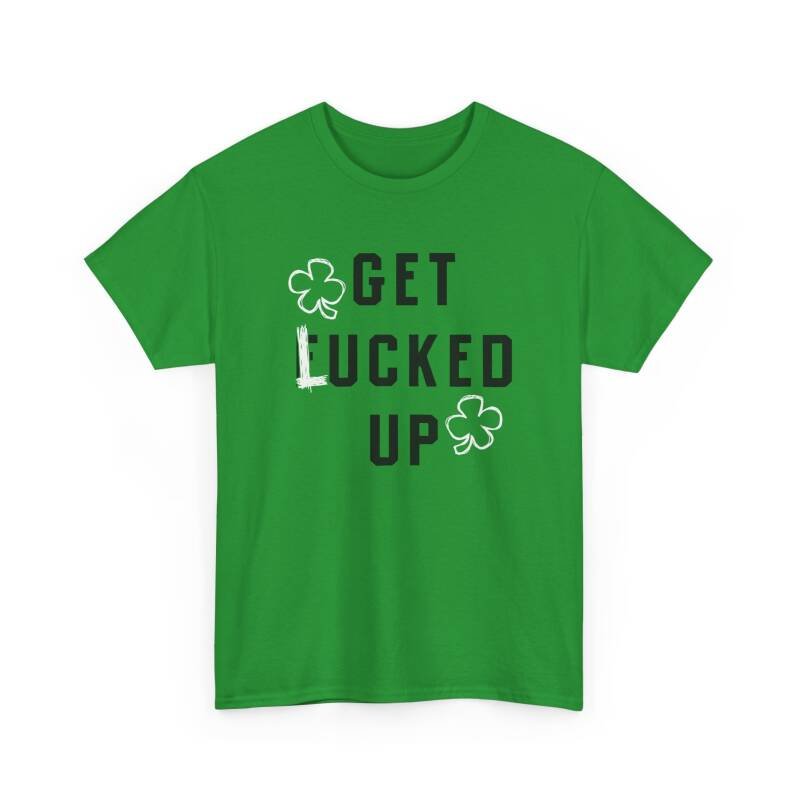
“Get Lucked Up” Unisex T-Shirt – Shamrock Shenanigans
Price range: $19.99 through $25.99 -
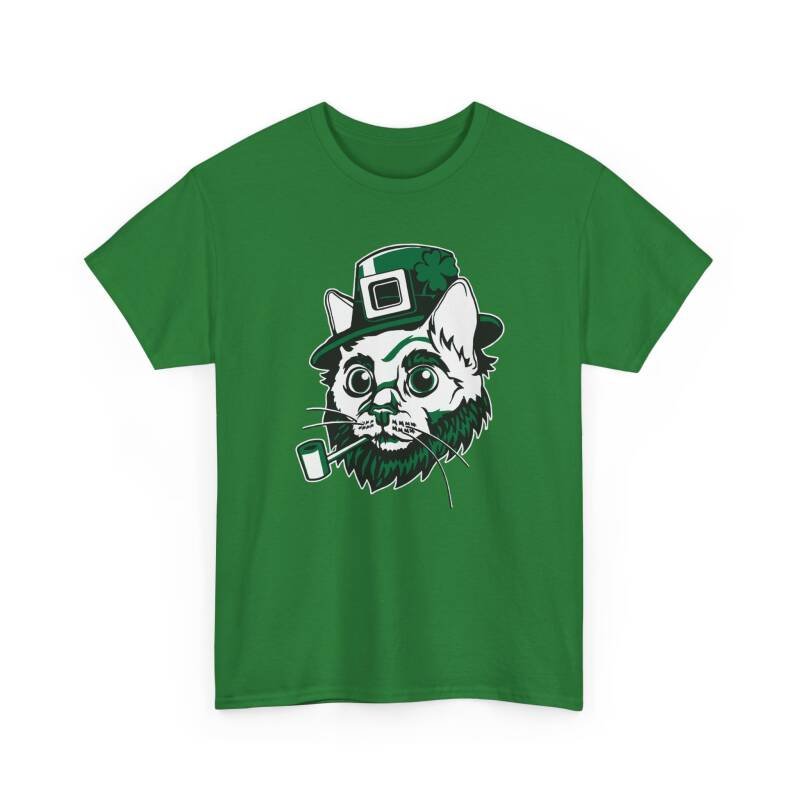
“Leprechaun Cat” Unisex T-Shirt – Purrfectly Lucky
Price range: $19.99 through $25.99 -

4-Leaf Clover USA Flag Unisex T-Shirt – Irish American Pride Tee in Green for Heritage & Gifting
Price range: $22.99 through $27.89 -

American Grown with Irish Roots Unisex T-Shirt – USA & Ireland Flag Heritage Tee
Price range: $22.99 through $27.89 -

Biting Lip Irish Pop Art Unisex T-Shirt – Sexy Green Shamrock Tee with Glitter Vibes
Price range: $22.99 through $27.89