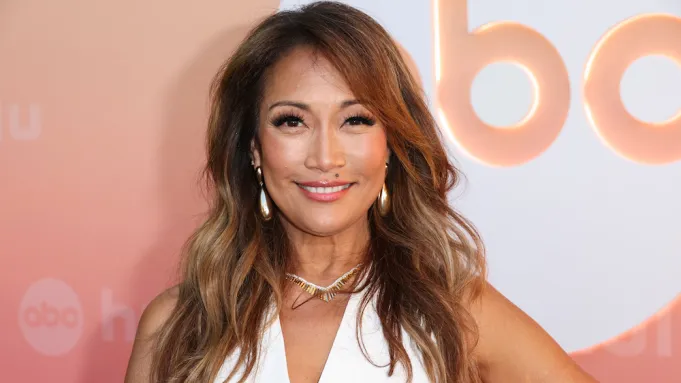
- Carrie Ann Inaba’s Irish heritage is a surprising thread in her richly woven identity, influencing her artistry in ways many fans don’t realize.
When Three Cultures Collide in One Artist
Picture Carrie Ann Inaba on the “Dancing with the Stars” judging panel—poised, articulate, offering critiques that balance technical precision with genuine warmth. Millions know her as the judge who cries when moved, who celebrates excellence with infectious enthusiasm, who sees beneath the surface of performance to the humanity driving it.
But here’s what the camera doesn’t always reveal: Inaba is walking cultural intersection, a living demonstration that identity isn’t simple or singular. Born January 5, 1967, in Honolulu, Hawaii, she embodies America’s beautiful complexity—Japanese, Irish, and Native Hawaiian ancestry converging in one person, each strand contributing to who she is and how she moves through the world.
The Irish part of her heritage might seem surprising to those who see only her appearance, who make assumptions based on how someone looks rather than who they are. But ancestry isn’t always visible on the surface. Sometimes it runs deeper—in values absorbed, in cultural sensibilities inherited, in the particular way someone approaches art and community and connection.
Inaba didn’t just happen to become one of entertainment’s most beloved figures. Her success is built on foundation laid by multiple cultural traditions, each contributing something essential. The Japanese discipline and dedication. The Native Hawaiian connection to rhythm and spiritual expression. And the Irish? The Irish gave her storytelling through movement, the understanding that dance isn’t just technical execution but emotional communication, the warmth and community spirit that makes her not just respected but genuinely loved.
Her career trajectory reads like American dream made manifest: backup dancer for Madonna and Ricky Martin, choreographer for major productions, television personality who transformed from performer to judge, from dancer to beloved cultural figure. Each step built on the one before, each success enabling the next.
But underneath the résumé, underneath the achievements and accolades: three cultures in constant conversation, each informing how she sees the world, how she expresses herself, how she connects with others. This isn’t about choosing one identity over others or ranking ancestries by importance. It’s about integration, about letting different traditions speak through you, about being fully yourself precisely because you’re drawing from multiple sources.
The Irish Thread in a Multicultural Tapestry
Understanding Inaba’s Irish heritage requires understanding something crucial: ancestry isn’t about purity or singularity. It’s about threads that weave together, creating patterns more interesting than any single color could produce. Inaba’s Irish roots don’t cancel out her Japanese or Hawaiian heritage—they add dimension, complexity, richness.
Ireland’s story is fundamentally about diaspora, about people scattered across the globe who maintain connection to homeland despite geographic distance. Irish immigrants fled famine and poverty, seeking survival in places far from home. They carried culture with them—not just in suitcases but in hearts and minds, in the songs they sang and stories they told, in values they transmitted to children born in foreign lands.
This diaspora experience created particular kind of Irish identity: one that exists outside Ireland, that adapts to new contexts while maintaining essential character, that blends with other cultures while preserving distinct contribution. Inaba’s Irish ancestry participates in this tradition—it’s Irish experience refracted through Hawaiian environment, filtered through Japanese family structure, expressed in American entertainment industry.
The Great Famine that drove so many Irish to emigrate was humanitarian catastrophe that killed millions and displaced millions more. Those who survived and managed to leave Ireland carried trauma but also resilience, grief but also determination to ensure their children would never face such desperation. This legacy of survival, of persisting through hardship, of maintaining culture despite efforts to erase it—this is part of what Inaba inherited along with Irish surname in her family tree.
Irish culture has always emphasized community, storytelling, and artistic expression as survival mechanisms. When you can’t control circumstances, when you’re powerless in face of larger forces, you create beauty anyway. You tell stories anyway. You maintain human connection anyway. This understanding—that art and community aren’t luxuries but necessities—flows through Irish cultural tradition into descendants who might be generations removed from Ireland.
Dance as Cultural Bridge
Here’s where Irish heritage intersects powerfully with Inaba’s career: Irish dance tradition, with its emphasis on precise footwork and rhythmic complexity, shares DNA with many world dance traditions. Irish dancers understood long before modern fusion that rhythm is universal language, that feet can speak across cultural boundaries, that music and movement create connections that words cannot.
Inaba’s choreographic work occasionally reflects Irish dance influences—the intricate footwork, the rhythmic patterns, the understanding that lower body movement can be as expressive as arm gestures. She doesn’t perform traditional Irish step dancing (that’s not her primary training), but the principles underlying Irish dance—discipline, precision, rhythm as foundation—these appear in her approach to movement.
More significantly, Irish cultural approach to dance as community activity, as celebration, as way of bringing people together rather than just displaying individual virtuosity—this sensibility permeates Inaba’s work. When she choreographs, when she judges performances, when she talks about dance, there’s always emphasis on connection: dancers connecting with each other, performers connecting with audience, movement connecting to emotion and story.
This isn’t uniquely Irish (her Japanese and Hawaiian heritages contribute similar values), but it aligns perfectly with Irish understanding that dance serves social function, that it builds community, that it’s about “we” as much as “me.” Irish céilí dancing, set dancing, sean-nós—these traditions all emphasize communal participation over solo performance, collective joy over individual display.
Inaba’s warmth as judge, her obvious emotional investment in contestants’ success, her tears when moved by beautiful performance—these reflect values that her Irish heritage (among others) instilled. The Irish have always understood that art matters not because it’s pretty but because it’s human, because it connects us, because it reminds us of our shared capacity for beauty even in difficult circumstances.
The Warmth Factor: Irish Heart in Public Persona
One of Inaba’s most distinctive qualities as television personality is her genuine warmth, her emotional availability, her willingness to be vulnerable on camera. This isn’t performance or calculation—it’s who she is, shaped by cultural values that prioritize human connection and emotional authenticity.
Irish culture has always valued warmth and hospitality, the tradition of céad míle fáilte (hundred thousand welcomes) that treats strangers as potential friends, that opens doors and hearts, that sees human connection as sacred duty. This isn’t sentimentality—it’s cultural value forged in circumstances where community support meant survival, where hospitality could save lives, where maintaining human bonds was resistance against forces trying to isolate and destroy.
Inaba’s approachability, her ability to offer criticism without cruelty, her obvious care for contestants beyond just their technical abilities—these reflect Irish-influenced values about how people should treat each other. She could be harsher (some judges are), could maintain more professional distance (that’s common), could prioritize entertaining television over genuine human interaction. She doesn’t, and part of why she doesn’t likely traces back to cultural values absorbed from Irish heritage.
The Irish also have tradition of emotional expression, of being unafraid to show feelings publicly. Irish wakes famously combine grief and celebration. Irish pubs become confessionals where strangers share life stories. Irish literature explores emotional depths without embarrassment. This comfort with emotional authenticity, with letting feelings show rather than hiding them behind professional masks, appears consistently in Inaba’s public presence.
When she cries at beautiful performance, she’s not being unprofessional or overly emotional—she’s being authentically human, responding to art with the full range of human feeling. This emotional availability makes her relatable, trustworthy, real in ways that purely technical expertise could never achieve. And it’s cultural gift, value transmitted through generations even when other aspects of Irish heritage might fade.
Heritage as Foundation, Not Limitation
Inaba has spoken about how understanding her Irish roots gives her “profound sense of identity,” connecting her to past while shaping present. This isn’t about limiting herself to single cultural lane or ranking her ancestries by importance. It’s about embracing complexity, about recognizing that multiple heritages can coexist and enrich each other.
Her statement that “the spirit of the Irish people is one of celebration through artistry” reveals understanding of Irish cultural values around art as essential human activity, as celebration, as way of affirming life even in difficult circumstances. This spirit—that art matters, that creativity is response to existence, that beauty is resistance against despair—flows through Irish tradition into her work.
She’s also noted that exploring ancestry builds bridges with others, creates understanding, fosters connection. This reflects Irish community values, the understanding that individual identity always exists in relation to others, that knowing yourself includes knowing your people, that heritage is shared inheritance rather than private possession.
By publicly embracing her Irish heritage alongside her Japanese and Hawaiian backgrounds, Inaba models sophisticated approach to identity: not choosing one or denying others, but integrating all, letting each contribute its gifts. This integration is itself very American—the ability to be multiple things simultaneously, to draw from diverse traditions, to create something new while honoring what came before.
Community Engagement: Walking the Talk
Inaba doesn’t just acknowledge Irish heritage privately—she participates in Irish cultural celebrations, attends festivals and parades, engages with Irish community in visible ways. This participation matters because it demonstrates that heritage isn’t just genealogical fact but lived reality, ongoing relationship with cultural tradition.
When celebrities with Irish ancestry participate in St. Patrick’s Day events or Irish cultural festivals, they’re doing more than enjoying parties. They’re contributing to cultural preservation, using their platforms to validate and celebrate heritage that might otherwise be dismissed as irrelevant in modern multicultural America. They’re telling younger generations that ethnic identity matters, that cultural roots provide strength and connection.
Inaba’s involvement with Irish cultural organizations demonstrates commitment to community that transcends personal benefit. She’s not required to engage with Irish heritage—she could ignore it, downplay it, focus exclusively on more visible aspects of her identity. That she chooses to participate, to celebrate, to connect suggests genuine appreciation for what this heritage offers both her and larger community.
These public engagements also educate. Many people might not know Inaba has Irish ancestry (it’s not visually obvious). When she participates in Irish events, she challenges assumptions about what “Irish” looks like, reminds people that ancestry isn’t always visible, demonstrates that heritage can be complex and multifaceted. This representation matters in increasingly diverse America where simple categories fail to capture actual human complexity.
The Psychology of Belonging
Research consistently shows that connection to cultural heritage enhances psychological well-being, provides sense of belonging that contributes to life satisfaction and self-esteem. For people with multicultural backgrounds like Inaba, this connection can be especially important—it provides anchors in multiple traditions rather than forcing choice between them.
Understanding ancestry helps answer fundamental questions: Who am I? Where do I come from? What values guide me? For someone juggling multiple cultural identities, each ancestral tradition offers different answers, different resources, different wisdom. The Japanese heritage might emphasize discipline and respect for tradition. The Hawaiian might stress connection to land and spiritual dimension of existence. The Irish might contribute warmth, storytelling, community bonds.
Together, these create rich psychological foundation, allowing Inaba to draw from whichever tradition best serves moment’s needs. Facing challenge requiring persistence? Channel Irish resilience learned from ancestors who survived famine. Seeking spiritual connection? Draw on Hawaiian relationship with sacred. Pursuing artistic excellence? Tap into Japanese dedication to mastery.
This isn’t cultural appropriation or identity confusion—it’s integration, the ability to access multiple sources of strength and wisdom. It’s what makes multicultural identity advantage rather than complication, resource rather than burden.
Inaba’s public discussions about heritage demonstrate awareness of these psychological dimensions. She speaks about ancestry providing “profound sense of identity,” about feeling connected to past while shaped by it in present. This language suggests sophisticated understanding of how heritage functions—not as museum artifact but as living resource, not as limitation but as liberation.
Breaking Stereotypes Through Visibility
Inaba’s public embrace of Irish heritage challenges assumptions about what Irish ancestry looks like. In America, “Irish” often gets visualized as pale skin, red hair, certain facial features—stereotypes that exclude many people with genuine Irish ancestry who don’t fit visual expectations.
By being visibly Asian woman who also claims Irish heritage, Inaba disrupts these simplistic narratives. She demonstrates that ancestry isn’t about appearances, that heritage transcends physical characteristics, that you can be fully Irish (among other things) without looking like Hollywood’s version of Irish.
This visibility matters particularly for mixed-heritage individuals who often face pressure to “choose” one identity, who get told they’re “not really” whatever ethnicity doesn’t show in their features. Inaba’s example suggests different approach: claim all your ancestries, let each contribute to who you are, refuse simplistic categorization that demands you be one thing only.
Her presence in mainstream media, combined with open discussion of complex heritage, helps normalize multicultural identity. It tells younger generations that being multiple things isn’t confusion or dilution—it’s richness, complexity, the beautiful reality of how humans actually exist rather than how demographic checkboxes want to classify us.
Art as Heritage Expression
Inaba has noted that Irish cultural values around hard work and creativity resonate deeply in her artistic practice. This connection between heritage and artistic expression reveals how ancestry influences us in ways beyond conscious awareness—it shapes fundamental approaches to craft, to work, to creative process itself.
Irish artistic tradition emphasizes storytelling, emotional authenticity, using art to connect rather than just impress. These values appear consistently in Inaba’s work: her choreography tells stories through movement, her judging emphasizes emotional connection over just technical execution, her public presence values authenticity over polish.
She’s also drawn on Irish tradition of celebration through artistry—the understanding that art affirms life, that creativity is response to existence, that making beauty is act of resistance against forces that would reduce us to mere survival. This philosophy, that art matters existentially not just aesthetically, seems to inform her entire approach to dance and performance.
When she says “my ancestry encourages me to express myself fully, without fear,” she’s identifying heritage as source of artistic courage, as permission to be authentic rather than calculating. This is deeply Irish: the tradition of artists who spoke truths that power wanted silenced, who used creativity as resistance, who understood that authentic expression sometimes requires defying expectations.
The Legacy She’s Building
Inaba’s embrace of her Irish heritage (alongside her other ancestries) creates legacy beyond her own identity. She’s modeling for fans and followers how to honor complex heritage, how to integrate multiple cultural influences, how to be fully yourself by drawing from all your sources rather than choosing only one.
For multicultural individuals struggling to navigate multiple identities, Inaba offers example of integration rather than division, of both/and rather than either/or. She demonstrates that you can honor all your ancestries without ranking them, that complexity enriches rather than complicates, that being multiple things makes you more interesting and complete than being singular ever could.
For Irish-Americans who might not “look Irish” by conventional standards, she validates their claim to heritage. She proves that Irish ancestry isn’t about phenotype but about cultural inheritance, values transmitted, traditions honored. She reminds everyone that heritage transcends appearance, that you can be fully Irish while being fully other things too.
Her public discussions about ancestry finding meaning beyond individual identity—about building bridges, creating understanding, fostering community—point toward heritage’s larger social function. In diverse society, understanding your own roots helps you appreciate others’ roots, recognize that everyone comes from somewhere, that cultural identity matters to human wellbeing and social cohesion.
Why Her Story Matters Now
In era of increasing attention to identity, representation, and cultural authenticity, Inaba’s example offers nuanced alternative to simplistic narratives. She’s neither abandoning heritage for assimilation nor claiming victimhood based on ancestry. She’s integrating, celebrating, using heritage as resource while remaining fully engaged with contemporary American life.
Her Irish ancestry, woven together with Japanese and Hawaiian roots, creates something new while honoring what came before. This is American story at its best: different traditions meeting, blending, creating synthesis that’s greater than sum of parts. It’s what America promises when it works—space where multiple identities can coexist, where heritage enhances rather than limits, where being complex is celebrated rather than punished.
Inaba’s visibility as successful, beloved entertainment figure who openly claims complex heritage tells younger generations that they don’t have to simplify themselves for others’ comfort. That being multiple things is strength, not confusion. That heritage provides resources for navigating life, building identity, connecting with communities plural rather than singular.
The Dance Continues
Every time Carrie Ann Inaba appears on television, she’s carrying forward multiple cultural legacies, including the Irish one that runs through her family tree. The warmth, the emotional authenticity, the emphasis on connection and community, the understanding that art serves human needs beyond entertainment—these reflect values her Irish heritage (among others) instilled.
From County Cork or Kerry or wherever her Irish ancestors originated, through generations of diaspora and mixing, to Honolulu to Hollywood to millions of television screens worldwide—the journey represents not dilution but evolution, not loss but transformation. Irish cultural values didn’t disappear when they mixed with Japanese and Hawaiian traditions. They adapted, found new expressions, contributed to creating someone remarkable.
Inaba’s story reminds us that heritage is living thing, not museum piece. It adapts, it blends, it finds new contexts while maintaining essential character. The Irish gift for community, for storytelling through art, for warmth and emotional authenticity—these survive mixing with other traditions, perhaps even flourish more richly in combination than isolation.
The dancer with Japanese, Irish, and Hawaiian roots, moving gracefully between cultures, building bridges through art, demonstrating that complexity enriches rather than complicates—this is heritage made manifest in modern world. This is what happens when ancestral gifts find new voice, new expression, new relevance while maintaining connection to sources.
And every time she tears up at beautiful performance, every time she offers criticism wrapped in genuine care, every time she reminds contestants and viewers that dance is about human connection not just technical execution—she’s channeling Irish heart beating in rhythm with Japanese discipline and Hawaiian spirit, proving that the most powerful art, the most authentic humanity, comes from honoring all of who you are, all of where you come from, all the gifts your ancestors left you to discover and deploy.
That’s not just her legacy—it’s heritage’s gift to us all, the reminder that our roots don’t limit us but liberate us, don’t confine us but connect us, don’t force us to choose but encourage us to integrate, creating something beautifully, wonderfully whole from all our magnificent, multicultural parts.
Shop new arrivals
-

“Get Lucked Up” Unisex T-Shirt – Shamrock Shenanigans
Price range: $19.99 through $25.99 -
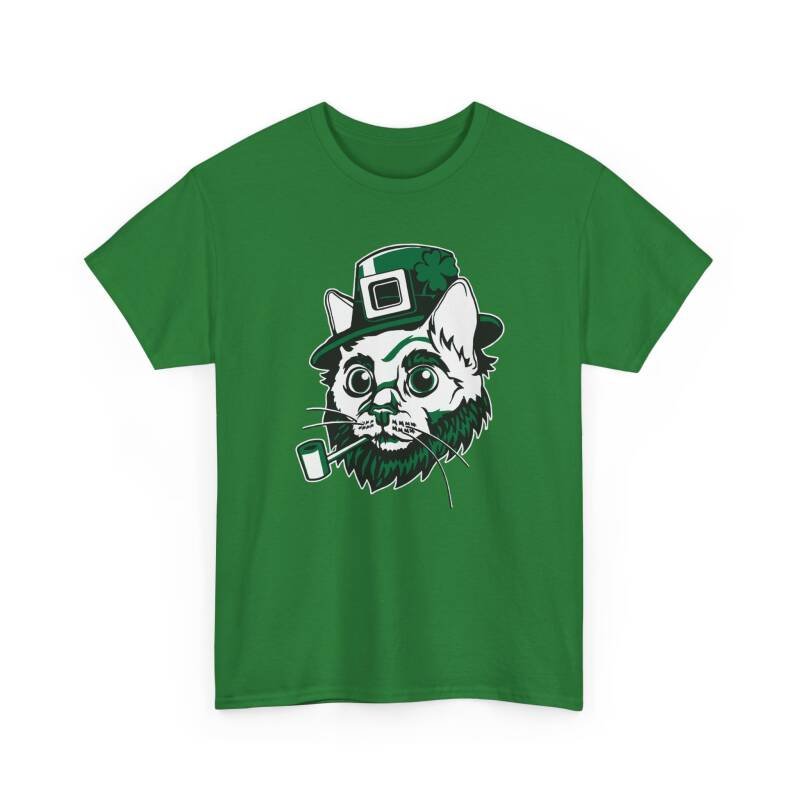
“Leprechaun Cat” Unisex T-Shirt – Purrfectly Lucky
Price range: $19.99 through $25.99 -

4-Leaf Clover USA Flag Unisex T-Shirt – Irish American Pride Tee in Green for Heritage & Gifting
Price range: $22.99 through $27.89 -

American Grown with Irish Roots Unisex T-Shirt – USA & Ireland Flag Heritage Tee
Price range: $22.99 through $27.89 -

Biting Lip Irish Pop Art Unisex T-Shirt – Sexy Green Shamrock Tee with Glitter Vibes
Price range: $22.99 through $27.89