
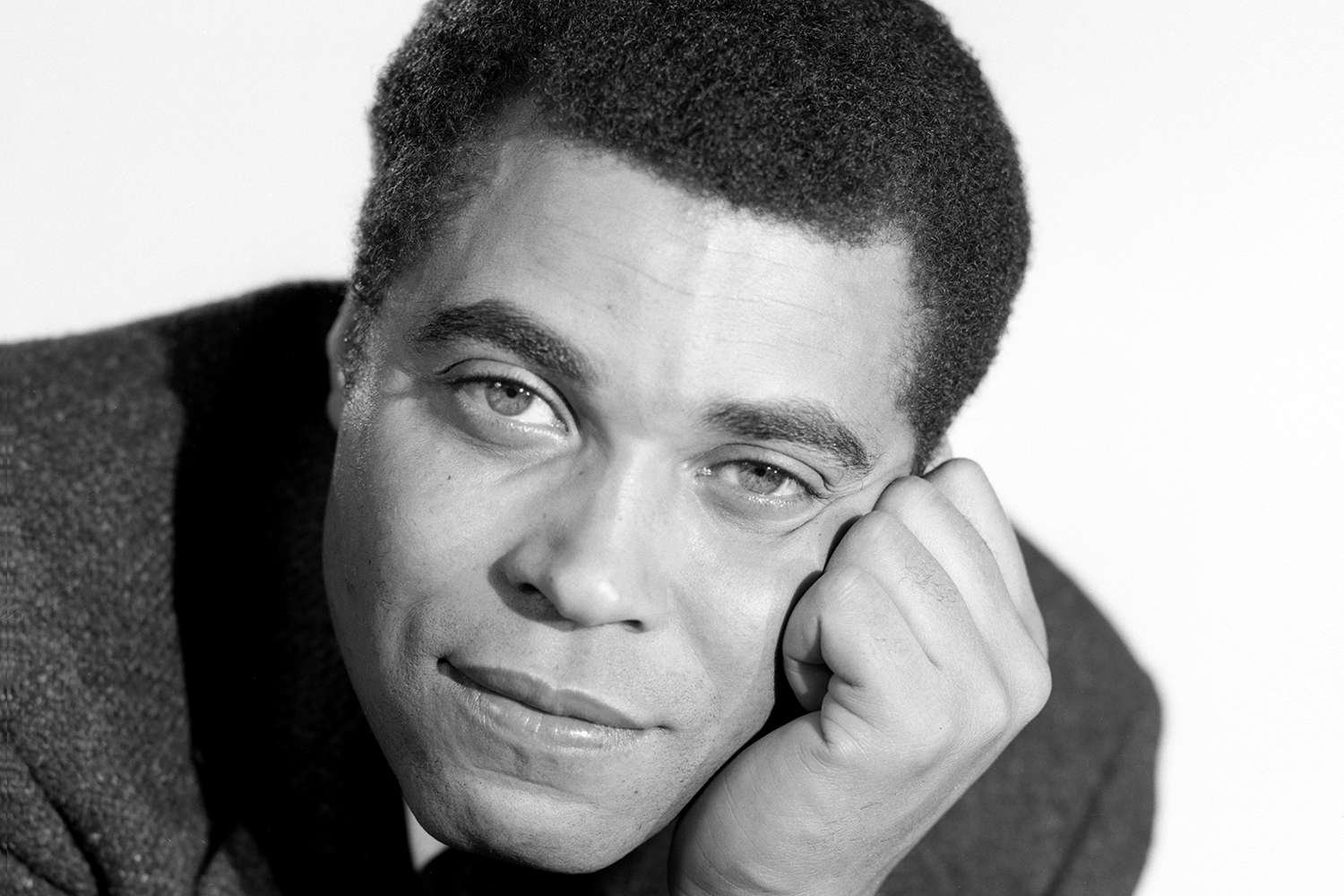
James Earl Jones’ Irish heritage adds a rich, lesser-known layer to his iconic story and deep cultural resonance.
When Darth Vader Has Irish Blood
That voice. Deep as thunder, resonant as cathedral bells, carrying weight that makes words feel like physical presence rather than mere sound. When James Earl Jones speaks, the world listens—whether he’s voicing Darth Vader’s menace, Mufasa’s wisdom, or delivering Shakespeare with authority that makes the Bard feel immediate and urgent.
But here’s what most people don’t know about that iconic voice, about the man who overcame childhood stutter to become arguably the greatest voice actor of his generation: he carries Ireland in his veins. Not visibly, not obviously, but undeniably. His mother Isabel was a white woman of Irish descent who raised her mixed-race son in Mississippi during Jim Crow, in America that wanted to force him into single category, single identity, single story.
James Earl Jones refused. Born January 17, 1931, in Arkabutla, Mississippi, he inherited complexity from birth—African American father (himself an actor), Irish-American mother, and a childhood that forced him to navigate racial boundaries that weren’t supposed to be crossed. His very existence was rebellion against segregation’s insistence on separation, against America’s demand that people be one thing only.
His mother’s Irish heritage wasn’t just genealogical footnote. It was presence in his household, influence in his upbringing, cultural thread woven into identity that would eventually express itself on stages and screens worldwide. The Irish gift for storytelling, the tradition of using voice as instrument and weapon, the understanding that words carry power beyond their literal meanings—these found home in Jones, mixed with African American traditions of resistance through art, survival through performance, dignity maintained through excellence.
Six decades of career. Kennedy Center Honors. Tony Awards. An Honorary Oscar. Performances that defined characters so completely that Darth Vader and Mufasa exist in cultural consciousness as much through his voice as through visual representation. Jones didn’t just act—he created presences, beings that lived through sound, characters that audiences felt viscerally because voice alone could convey their entire essence.
This is what happens when Irish storytelling tradition meets African American artistic excellence, when cultural inheritances combine rather than compete, when someone refuses to be limited by others’ need for simple categorization. Jones embodies American possibility at its most profound: the truth that we are always more than single identity, always drawing from multiple sources, always richer for our complexity than we could ever be through enforced simplicity.
Isabel’s Gift: Irish Heritage in Segregated South
Imagine being Isabel Jones in 1930s Mississippi. White woman married to Black man, raising mixed-race child in place and time where such arrangements weren’t just frowned upon—they were dangerous. Miscegenation laws made interracial marriage illegal in many states. Social pressure demanded conformity. And yet Isabel made choices that prioritized love and family over society’s racist demands.
Her Irish heritage carried its own complicated relationship with American racial hierarchies. Irish immigrants had faced discrimination when they arrived in America—characterized as racially inferior, culturally backward, barely human. “No Irish Need Apply” signs dotted American cities. Pseudo-scientific racism classified Irish as separate, lesser race. Irish workers competed with Black workers for bottom-tier jobs, and some Irish-Americans dealt with their own marginalization by embracing white supremacy, distancing themselves from Blackness to claim contested whiteness.
But Isabel’s story represents different Irish-American choice: the recognition that being marginalized should create empathy rather than trigger lateral oppression, that experiencing discrimination should foster resistance to all discrimination, that love transcends categories racists try to enforce.
The separation from Jones’ father Robert Earl Jones shortly after James’s birth left Isabel as primary parent, primary influence, primary source of values and worldview. She raised James largely on her own (with help from her parents), instilling in him appreciation for both sides of his heritage, refusing to let him be defined by others’ narrow categories.
Her Irish cultural background brought particular gifts: the storytelling tradition that treats narrative as sacred craft, the understanding that voice carries power, the knowledge that words can preserve identity when everything else is stripped away. Irish culture had survived centuries of colonization partly through maintaining oral traditions—stories, songs, poems passed down when written culture was forbidden or inaccessible. This respect for spoken word, for voice as cultural carrier, became part of Jones’ inheritance.
Growing up in segregated South with Irish mother and absent Black father created impossible situation by racist logic of the time. But it also gave Jones something precious: understanding that identity is always more complex than categories allow, that heritage is gift rather than prison, that being multiple things simultaneously isn’t confusion but richness.
The Stutter That Became Strength
James Earl Jones barely spoke for years. Childhood trauma (likely connected to family upheaval) triggered severe stutter that made speaking agonizing. He communicated largely through silence, learned to live inside his head, developed rich internal world because external expression felt impossible.
Then came teacher who recognized what others might have missed: this silent boy wasn’t stupid or slow—he was terrified. And hidden in that terror was gift, if only someone could help him unlock it. Through poetry, through reading aloud in classroom where stuttering somehow loosened its grip, through discovering that written words spoken aloud gave him access to voice that felt impossible in normal conversation—James Earl Jones began to speak.
This journey from silence to voice carries profound resonance with both his Irish and African American heritages. Irish culture understands voice as precious resource, something that can be taken away (as colonizers tried to suppress Irish language) but that must be reclaimed, preserved, used as resistance. African American culture similarly treats voice as crucial—from spirituals sung in slavery to blues to jazz to spoken word, voice has been tool of survival, resistance, humanity maintained against dehumanization.
Jones’ stutter forced him to fight for his voice in ways most people never experience. And when he finally claimed it, when he discovered he could speak—really speak, with power and clarity and command—he didn’t take it for granted. He honed it, refined it, made it instrument of extraordinary precision and power.
The irony is almost too perfect: the boy who couldn’t speak became the man with arguably the most recognizable, most powerful voice in entertainment history. The stutter that silenced him created appreciation for voice’s power that someone who always spoke easily might never develop. His struggle became his strength, his wound became his gift.
Irish Storytelling Meets African American Excellence
Irish culture has always revered storytelling. The seanachies (traditional storytellers) were more than entertainers—they were cultural guardians, historians, the living memory of communities. They understood that how you tell story matters as much as what story says, that rhythm and cadence and emotional resonance transform information into experience.
African American culture similarly treats storytelling as essential—the oral traditions that preserved history when literacy was forbidden, the narrative strategies that maintained dignity in face of oppression, the understanding that stories are both art and resistance.
Jones inherited both traditions. His Irish mother likely shared stories from her heritage—family tales, cultural narratives, the Irish gift for turning everyday events into compelling narrative. His African American heritage (though his father was absent, Jones later connected with that lineage) brought different but complementary storytelling traditions.
The combination created artist with extraordinary narrative intelligence. Jones doesn’t just recite lines—he inhabits stories, makes audiences feel narrative arc through vocal performance alone. His work in theater, particularly Shakespeare, demonstrates this storytelling mastery. He makes centuries-old text feel immediate, urgent, relevant by understanding that these are stories about human experience, that the language carries emotional truth that transcends period and setting.
His voice work proves storytelling power even more dramatically. As Darth Vader, Jones created character partly through vocal performance—the mechanical breathing, the measured cadence, the sense of power held in check. As Mufasa, he conveyed wisdom, authority, paternal love through voice alone. These performances aren’t just good voice acting—they’re storytelling at highest level, creating complete characterizations through sound.
The Power of the Mixed Heritage
Jones has spoken about pride in his “Irish blood” intertwining with his “African American roots, creating a narrative that is distinctly my own.” This isn’t just pleasant sentiment—it’s recognition of crucial truth about identity: we are always synthesis, always drawing from multiple sources, always more than single category can capture.
His mixed heritage forced him to navigate American racial boundaries that insisted on sharp divisions. The one-drop rule treated anyone with any African ancestry as Black, erasing complex reality of mixed heritage. But Jones refused to simplify himself for others’ comfort. He claimed both heritages, acknowledged that each contributed to who he was.
This positioning—refusing to choose, insisting on complexity—was itself form of resistance against racial logic that demanded categorization. By being visibly both, by acknowledging Irish heritage while not denying African American identity, Jones challenged the binary thinking that American racism required.
His artistic choices reflect this integration. He’s played characters across spectrum of human experience—kings and janitors, villains and heroes, Shakespearean nobility and everyday people. He’s never limited himself to “Black roles” or any single type, instead choosing work that lets him explore full range of human experience.
The depth he brings to characters may derive partly from his understanding of complexity, his lived experience of being multiple things simultaneously. When you’ve navigated multiple cultural identities, when you’ve refused to simplify yourself despite pressure to choose, you develop capacity for nuance that purely categorical thinking can’t achieve.
Voice as Heritage Expression
The Irish have always understood voice as precious resource. Irish language was banned by British colonizers who understood that suppressing language suppresses culture. Irish people maintained their language secretly, preserved it through oral transmission when written forms were dangerous. Voice became carrier of cultural identity, resistance against erasure.
African Americans similarly developed sophisticated understanding of voice as power. From field hollers to spirituals, from blues to jazz, from preaching to protest, voice has been tool of survival and resistance. When literacy was forbidden, when written communication was controlled, voice carried culture forward.
Jones inherited both these traditions—the Irish reverence for spoken word, the African American understanding of voice as resistance and affirmation. His career represents both heritages finding expression through his extraordinary vocal instrument.
But it’s not just that he has great voice (though he does). It’s how he uses it. The control, the nuance, the ability to convey complex emotion through subtle vocal shifts—this demonstrates deep understanding that voice is more than sound production. It’s instrument of meaning-making, tool of connection, carrier of cultural memory and personal truth.
When Jones speaks—whether as himself or as character—there’s sense of weight, of history, of accumulated wisdom finding expression. This isn’t accident or mere talent. It’s cultural inheritance made manifest, the Irish and African American understanding of voice’s power channeled through single extraordinary instrument.
Shakespeare Through Dual Lens
Jones’ Shakespeare performances are legendary—his Othello, his King Lear, his many other roles that demonstrate his mastery of classical theater. But there’s additional dimension to his Shakespeare that his dual heritage illuminates.
Shakespeare’s plays are fundamentally about power, identity, outsiderness, belonging—themes that resonate profoundly with both Irish and African American experience. The Irish, colonized by English, had complicated relationship with English literature and language—it was colonizer’s tongue, but also tool they could use, tradition they could claim and transform. Similarly, African Americans took American English and made it their own, creating linguistic innovations that transformed the language.
When Jones performs Shakespeare, he brings both these perspectives. He understands outsiderness (Othello’s position as Moor in Venice mirrors Jones’ own experience navigating predominantly white theater world). He understands power’s corruption (Irish experience with English rule, African American experience with slavery and its aftermath). He understands language as contested territory, as tool that can oppress or liberate depending on who wields it.
His Shakespeare isn’t museum piece or academic exercise—it’s living engagement with texts that speak to timeless human concerns. And his ability to make that connection, to make Renaissance English feel immediate and relevant, draws partly from cultural heritages that taught him how language carries power, how stories preserve truth, how performance can be both art and resistance.
The Quiet Revolution
Jones’ career represents quiet revolution in representation. He didn’t make angry speeches about diversity or representation (though he supported such causes). He simply refused to be limited, kept taking roles that showcased his range, kept demonstrating excellence that couldn’t be dismissed or categorized.
By being undeniably great, by achieving recognition that crossed all demographic boundaries, by becoming cultural icon whose work was genuinely beloved across racial lines, Jones proved something important: excellence transcends category. His mixed heritage, his complex identity, his refusal to simplify himself—none of this limited his appeal or achievement. If anything, it enhanced both.
His Irish heritage, usually invisible to audiences who saw only his appearance, contributed to his artistry in ways that mattered more than visibility. The values absorbed from mother’s cultural background, the storytelling traditions inherited, the understanding of voice as precious resource—these shaped his work fundamentally.
This is what representation actually looks like when it works: not tokens or quotas, but genuine inclusion of complex, talented people who bring their full selves to their work. Jones didn’t represent “the Black perspective” or “the Irish perspective”—he represented human perspective, informed by his particular experiences but speaking to universal concerns.
Teaching Through Example
Jones has become mentor and inspiration to generations of actors, particularly actors of color seeking role models in profession that hasn’t always welcomed them. His career demonstrates several crucial lessons that his heritage informs:
Excellence is best resistance. Rather than limiting himself in response to limited opportunities, Jones pursued mastery, became so good that denying him roles became impossible.
Complexity is strength, not weakness. His mixed heritage could have been burden in racist society demanding simplification. He made it asset, source of depth and perspective.
Voice carries power beyond words. His physical voice is extraordinary, but his artistic voice—his choice of roles, his approach to craft, his public presence—carries equal power.
Heritage is resource, not limitation. Understanding where you come from provides foundation, not ceiling. Jones drew from both his heritages, let both inform his work without being confined by either.
These lessons resonate beyond acting, beyond entertainment. They speak to anyone navigating complex identity, anyone told they must choose between aspects of themselves, anyone seeking to honor heritage while forging individual path.
The Legacy That Transcends Categories
At 90-plus years (as of this writing), James Earl Jones has lived long enough to see his work become cultural touchstone, to witness how his voice has literally shaped how millions of people imagine certain characters and stories. Children who grew up hearing him as Mufasa became parents who introduced their children to The Lion King. Multiple generations know Darth Vader partly through Jones’ voice.
But beyond specific roles, beyond specific achievements: Jones’ legacy is about possibility. About refusing to be limited by others’ categories. About claiming all of yourself—African American and Irish, stutterer and great orator, outsider and icon. About letting complexity enrich rather than complicate, drawing from multiple sources rather than forcing choice between them.
His Irish heritage, often overlooked in discussions that focus on his African American identity, represents important dimension of who he is. Not because Irish ancestry is more important than African American (it’s not), but because acknowledging it honors the full truth of his identity, recognizes his mother’s influence, respects the complexity that made him who he became.
Isabel’s gift to her son wasn’t just genetic inheritance—it was cultural transmission. The Irish values around storytelling, voice, resistance through art. The understanding that identity can be complex, that love transcends category, that you can honor all of yourself without ranking your inheritances.
Why His Story Matters Now
In era of increasing attention to identity, representation, and heritage, Jones’ story offers nuanced alternative to simplistic narratives. He’s neither denying part of himself nor claiming victimhood based on it. He’s integrating, honoring, using heritage as resource while remaining focused on craft and excellence.
His Irish ancestry, woven with his African American heritage, creates something new while honoring both sources. This is American story at its best—different traditions meeting, not canceling each other out but creating synthesis that’s greater than sum of parts.
For people with mixed heritage (an growing percentage of American population), Jones offers example of integration over division, of claiming all of yourself rather than choosing. For anyone navigating complex identity, he demonstrates that complexity is asset, that multiple perspectives create depth, that the most interesting art and most complete humanity come from embracing rather than denying our multifaceted nature.
His voice—literal and artistic—carries forward both heritages, proving that Irish storytelling tradition and African American artistic excellence aren’t opposed but complementary, that cultural inheritances can strengthen rather than dilute each other.
The Voice Continues
Every time someone quotes Darth Vader, every time The Lion King introduces new generation to Mufasa’s wisdom, every time Jones’ Shakespeare performances get studied or his body of work gets celebrated—Irish and African American heritages speak through him, woven so thoroughly into his artistry that separating them is impossible.
From Isabel’s Irish roots to Robert Earl’s African American heritage, from Mississippi childhood to global cultural icon, from stuttering silence to voice that defines characters for millions—the journey represents not just individual achievement but cultural synthesis, proof that our heritages don’t limit us but liberate us when we claim them fully.
James Earl Jones’ voice carries Ireland forward into American culture, mixed with African American tradition, creating something neither alone could produce. His mother’s gift—cultural heritage she transmitted even while raising him in hostile environment—found expression through his extraordinary talent, proving that heritage survives, adapts, thrives when honored rather than hidden.
That voice, deep and resonant, carrying weight of centuries and wisdom of lived experience, speaking Shakespeare and Darth Vader and Mufasa and countless other characters—it’s Irish voice. It’s African American voice. It’s distinctly Jones’ voice. And it’s quintessentially American voice, proving that this country’s promise lies not in forcing people into categories but in letting them claim all of themselves, draw from all their sources, become fully who they are.
The boy who couldn’t speak became the man whose voice defined cultural moment. The child of mixed heritage became artist who transcended category. The inheritor of Irish and African American traditions became someone who honored both while creating something new.
That’s not just James Earl Jones’ legacy. That’s heritage’s gift to all of us—the reminder that we are always more than single story, always drawing from multiple sources, always richer for our complexity than we could ever be through forced simplicity. And when we honor that complexity, when we claim all of ourselves, when we let our heritages speak through us—that’s when the most powerful art, the most authentic humanity, the most transcendent achievement becomes possible.
The voice that emerged from silence carries this truth forward, proving that our wounds can become our gifts, our complexity can become our strength, and our heritages—all of them—can combine to create something extraordinary.
Shop new arrivals
-

“Get Lucked Up” Unisex T-Shirt – Shamrock Shenanigans
Price range: $19.99 through $25.99 -

“Leprechaun Cat” Unisex T-Shirt – Purrfectly Lucky
Price range: $19.99 through $25.99 -

4-Leaf Clover USA Flag Unisex T-Shirt – Irish American Pride Tee in Green for Heritage & Gifting
Price range: $22.99 through $27.89 -

American Grown with Irish Roots Unisex T-Shirt – USA & Ireland Flag Heritage Tee
Price range: $22.99 through $27.89 -

Biting Lip Irish Pop Art Unisex T-Shirt – Sexy Green Shamrock Tee with Glitter Vibes
Price range: $22.99 through $27.89


[…] family background of Martin Luther King Jr. offers a fascinating glimpse into the intersections of African American and Irish heritage. Born on January 15, 1929, in Atlanta, Georgia, King was a fifth-generation minister in a line of […]