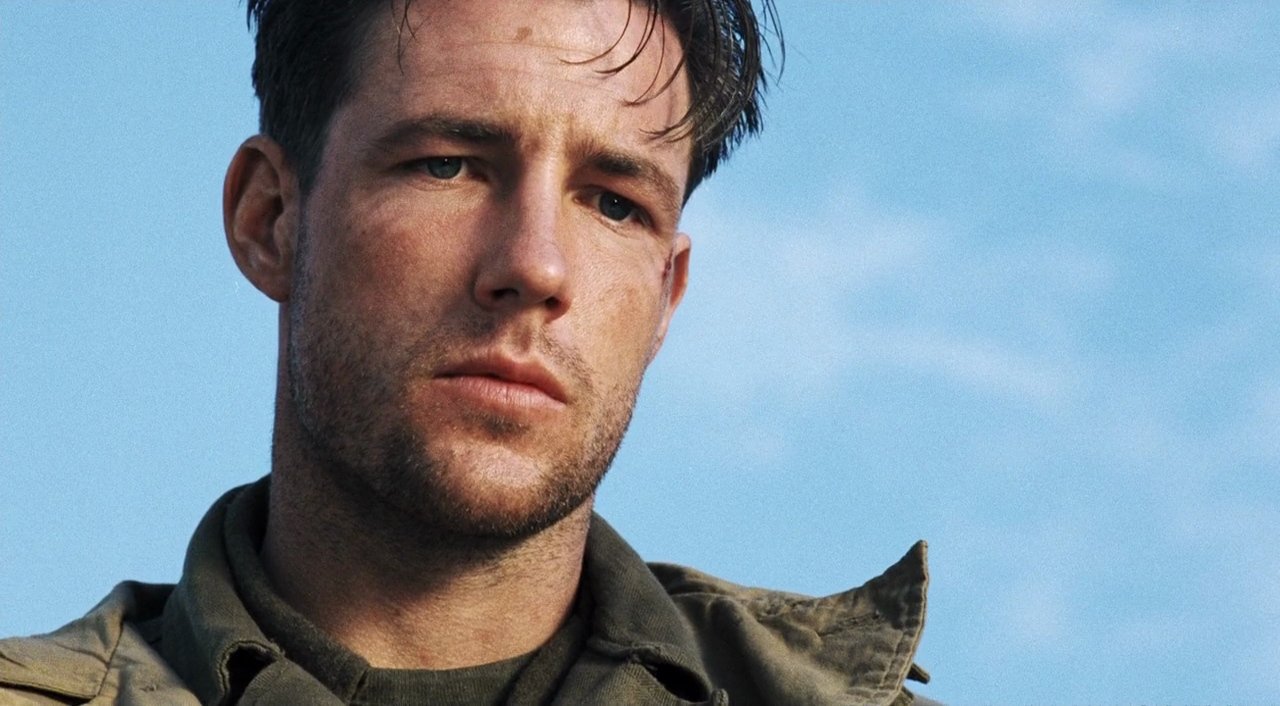
Edward Burns’ Irish heritage—rooted in Wexford and Kerry—runs through every frame of his storytelling, shaping the families and neighborhoods he brings to life.
The Kid from Valley Stream Who Made Irish America Visible
Edward Burns didn’t set out to become voice of Irish-American cinema—he just told the stories he knew, filmed them with borrowed equipment and maxed-out credit cards, and somehow created movement. “The Brothers McMullen,” shot for $25,000 in 1995, wasn’t supposed to revolutionize anything. It was just three Irish-American brothers in Long Island dealing with love, faith, family, and the weight of expectations they didn’t choose but couldn’t escape.
But it did revolutionize something. Because suddenly, there on screen, were people who looked and sounded like actual Irish-Americans—not Hollywood’s version with leprechauns and Lucky Charms, not the sanitized Kennedy fantasy or the drunken cop cliché, but real people navigating real struggles in distinctly Irish-American context. The dialogue had that particular Irish-American rhythm. The family dynamics felt authentic—the loyalty, the guilt, the pressure, the love expressed through criticism and criticism wrapped in love.
Born January 29, 1968, in Valley Stream, New York, Burns grew up thoroughly immersed in Irish-American culture. Not the commercial version sold on St. Patrick’s Day, but the lived reality: tight-knit community where everyone knew everyone’s business, Catholic guilt as operating system, family dinners where storytelling was competitive sport, and the understanding that you honored your parents by achieving what they couldn’t but never forgetting where you came from.
His parents, Edward and Mary Burns, carried Ireland in their bones even though they were American-born. His paternal grandparents Edward and Anna emigrated from counties Wexford and Kerry in early 20th century, joining millions fleeing economic hardship and limited opportunities. They brought with them Irish values, Irish storytelling traditions, Irish understanding of family and community that would shape their descendants generations later.
The Burns family maintained connection to Ireland through annual gatherings celebrating heritage—not performative ethnicity but genuine effort to keep alive the stories, the traditions, the sense of who they were and where they came from. These gatherings weren’t just parties; they were cultural transmission, older generations passing down narratives that younger ones would carry forward, adapting them to American context while maintaining Irish core.
Edward absorbed all this, let it saturate him until Irish-American experience wasn’t subject he studied but reality he lived. And when he finally got chance to make films, he didn’t try to escape his background or broaden his appeal by making it more generic. He leaned into specificity, trusted that authentic Irish-American stories would resonate beyond their particular context.
He was right. “The Brothers McMullen” won Grand Jury Prize at Sundance, launched his career, and proved that you don’t achieve universality by being vague—you achieve it by being so specific, so authentic, so true to particular experience that everyone recognizes the human truth underneath the cultural details.
The Great Migration’s Lasting Impact
To understand Burns’ Irish heritage is to understand why his grandparents left Ireland. Early 20th century Ireland offered little to young people seeking better futures. British colonial rule had impoverished the country systematically. The Great Famine’s aftermath still haunted rural areas. Economic opportunities were scarce. Political prospects were grim.
Counties Wexford and Kerry—where Burns’ grandparents originated—were beautiful but poor. Stunning coastlines and green hills didn’t translate to prosperity. Agriculture was hard, returns were meager, and British land policies ensured Irish Catholics remained economically marginal. Young people looked around and saw futures of grinding poverty or emigration. Most chose emigration.
Edward and Anna Burns chose America, chose possibility over certainty, chose leaving everything familiar for chance at something better. They joined waves of Irish immigrants arriving in New York, facing “No Irish Need Apply” discrimination, taking whatever jobs they could get, building communities in neighborhoods where Irish identity could be preserved while American identity was constructed.
The immigrant experience carved itself into family DNA. You don’t forget being unwanted. You don’t forget working brutal hours for minimal pay. You don’t forget the sacrifices made so children could have better lives. These memories get transmitted—not always through explicit stories but through values, through the particular way family understands success and failure, through expectations that children will honor parents’ struggles by achieving what was denied to previous generations.
Burns grew up saturated in this history even when it wasn’t explicitly discussed. The work ethic, the emphasis on family loyalty, the understanding that you don’t forget where you came from, the pressure to succeed while remaining authentically yourself—all of this traced back to grandparents who left Ireland seeking survival and built lives through determination and community bonds.
Valley Stream: Irish-America Made Manifest
Long Island in the 1960s and ’70s wasn’t Ireland, but Irish-American neighborhoods like Valley Stream preserved Irish culture in distinctly American form. Catholic churches served as community centers. Irish-American families lived in close proximity, maintaining tight-knit networks. Cultural traditions adapted to suburban American context while retaining Irish character.
Burns’ childhood immersed him in this world. Family gatherings featured storytelling as competitive art—relatives trying to top each other’s tales, humor mixed with tragedy, everyday events transformed into epic narratives through Irish gift for embellishment and timing. This wasn’t just entertainment; it was cultural practice, Irish oral tradition adapted to American suburbs.
The emphasis on family wasn’t abstract value but daily reality. You showed up for family events. You supported relatives in crisis. You maintained connections even when inconvenient. This created networks of mutual obligation that felt simultaneously supportive and suffocating—exactly the dynamic Burns would later explore in his films.
Catholic guilt operated as psychological infrastructure. You were always falling short of some ideal, always feeling you should do better, always aware of how your choices affected family reputation. This produced particular kind of neurosis that Burns understood viscerally and portrayed with precision in his characters.
The storytelling tradition particularly influenced Burns’ artistic development. Irish culture treats narrative as essential human activity—stories preserve history, teach values, create community bonds, make sense of chaos. Burns absorbed this understanding before he could articulate it, learned that how you tell story matters as much as what story says, that authentic emotional detail creates connection that plot mechanics alone cannot.
“The Brothers McMullen”: Irish America Gets Real
When Burns made “The Brothers McMullen” for $25,000, he wasn’t trying to create Irish-American masterpiece—he was just filming the world he knew. Three brothers, all struggling with relationships and faith and family expectations. Dialogue that sounded like actual Irish-Americans talking rather than Hollywood’s idea of how Irish people speak. Settings in recognizable Long Island locations rather than generic anywhere.
The film’s authenticity came from Burns’ intimate knowledge of his subject. He wasn’t researching Irish-American culture; he was documenting his own experience. The family dynamics weren’t invented but observed. The dialogue wasn’t constructed but overheard and internalized. The conflicts weren’t plotted but lived.
The Catholic guilt that permeates the film isn’t caricature—it’s precise rendering of how Irish-American Catholics actually negotiate faith and desire, how religious upbringing creates psychological patterns that persist even when explicit belief wavers. The brothers’ struggles with fidelity and commitment aren’t universal relationship dramas dressed in ethnic clothing—they’re specifically Irish-American struggles, shaped by particular cultural values around family, faith, and masculine identity.
The film’s humor similarly derives from Irish tradition. The sarcasm, the ability to express affection through insult, the finding of absurdity in painful situations—this is distinctly Irish sensibility, humor as defense mechanism and social bonding simultaneously. Burns doesn’t explain this; he trusts audiences will recognize emotional authenticity even if they don’t share specific cultural background.
“The Brothers McMullen” succeeded because Burns refused to sand down cultural edges to make it more palatable. He trusted that authentic Irish-American story would connect with broader audiences, that specificity creates rather than limits appeal. The film proved him right, demonstrating that audiences hungry for authentic representations will embrace stories that don’t condescend or oversimplify.
Storytelling as Sacred Duty
Irish culture has always treated storytelling as essential rather than optional, as cultural preservation rather than mere entertainment. The seanachies weren’t just performing; they were maintaining collective memory, preserving history when written records were controlled by colonizers, teaching values through narratives that stuck in mind.
Burns inherited this understanding. His films aren’t just entertainment; they’re documentation, preservation of Irish-American experience that exists in particular historical moment. The Long Island Irish-American world he grew up in is already fading—gentrification, assimilation, generational change all work to erase distinct ethnic neighborhoods and traditions. Burns captures this world before it disappears completely.
His approach to storytelling emphasizes authenticity over spectacle, character over plot, emotional truth over commercial formula. This reflects Irish narrative tradition that values truth-telling over entertaining, that treats stories as sacred trust rather than mere product. When Burns tells Irish-American stories, he’s not exploiting his background for commercial gain—he’s honoring obligation to represent his community accurately.
The recurring themes in his work—family loyalty, relationship struggles, identity questions, tension between tradition and change—aren’t randomly chosen. They’re the concerns of Irish-American community navigating American life while maintaining cultural identity. Burns explores these themes because they matter to his community, because telling these stories preserves experiences that might otherwise be lost.
“She’s the One” and Beyond: Expanding the Canvas
Following “The Brothers McMullen,” Burns continued exploring Irish-American themes while expanding his range. “She’s the One” examines love and betrayal through distinctly Irish-American lens—the characters’ choices shaped by cultural values around loyalty, family, and masculine identity that trace to Irish heritage even when not explicitly discussed.
The film showcases Burns’ understanding of Irish-American psychology—the guilt, the family pressure, the simultaneous desire for independence and deep need for familial approval. His characters aren’t just individuals making choices; they’re cultural beings whose options are shaped by heritage they didn’t choose but can’t escape.
Burns’ female characters similarly reflect Irish-American reality—strong women navigating patriarchal cultural expectations, maintaining family bonds while asserting independence, embodying contradictions that come from living between traditional Irish values and contemporary American feminism. These aren’t stereotypes but nuanced portrayals that honor complexity of actual Irish-American women’s experiences.
Throughout his career, Burns has resisted pressure to make his work more generically American, more palatable to audiences unfamiliar with Irish-American culture. He maintains specificity, trusts that authentic representation creates rather than limits appeal, believes that particular cultural experience reveals universal human truths more effectively than vague generalization.
The Anti-Stereotype: Reclaiming Irish-American Image
Hollywood has long trafficked in Irish stereotypes: the drunken cop, the violent thug, the simple-minded laborer, the priest with dark secrets. These caricatures served various cultural purposes—making Irish immigrants seem less threatening by rendering them ridiculous, justifying discrimination by portraying Irish as inferior, providing easy character types that required no nuance or depth.
Burns’ work systematically dismantles these stereotypes. His Irish-American characters are complex, contradictory, fully human. They drink sometimes (because people do) but aren’t defined by alcoholism. They struggle with faith but aren’t reduced to Catholic guilt clichés. They’re loyal to family but not mindlessly tribal. They’re funny but not buffoons.
This reclamation matters because representation shapes how communities are perceived and how community members perceive themselves. When Irish-Americans only see themselves portrayed as stereotypes, it affects their self-understanding, creates pressure to either conform to stereotype or completely reject ethnic identity. Burns offers third option: authentic Irish-American identity that’s specific but not stereotypical, cultural but not caricatured.
His male characters particularly challenge Irish-American stereotypes. They’re emotionally available without being weak, capable of vulnerability without losing masculine identity, struggling with relationships in ways that feel authentic rather than comic. This nuanced masculinity reflects actual Irish-American men’s experiences better than either the stoic tough guy or the buffoonish drunk stereotypes.
Community Engagement: Beyond the Screen
Burns doesn’t just portray Irish-American community on screen—he actively engages with it off screen. He participates in Irish cultural events, supports Irish-American arts organizations, mentors young Irish-American filmmakers. This engagement reflects Irish cultural value: success creates obligation to give back to community that supported you.
His involvement in film festivals and cultural exhibitions provides platform for Irish-American stories that might not otherwise reach audiences. By using his success to elevate other Irish-American voices, Burns embodies Irish community values—you don’t achieve alone, you don’t forget where you came from, success means helping others rise.
He’s particularly committed to supporting emerging Irish-American filmmakers, offering mentorship and creating opportunities for younger generation to tell their stories. This reflects Irish tradition of passing down knowledge, of older generation’s obligation to prepare younger one, of treating cultural preservation as collective responsibility rather than individual achievement.
Burns understands that Irish-American culture won’t survive through nostalgia or museum preservation—it survives through living artists creating contemporary work rooted in heritage. His support for young filmmakers ensures that Irish-American stories continue being told in ways that evolve while maintaining cultural authenticity.
The Family Gathering Tradition
Annual Burns family gatherings celebrating Irish heritage weren’t just parties—they were cultural events, times when stories got shared, traditions got passed down, connections to Ireland got reinforced. These gatherings served crucial function: they created space where being Irish-American was celebrated rather than hidden, where ethnic identity was source of pride rather than embarrassment.
Burns has described these gatherings as formative experiences, times when he learned about family history, absorbed storytelling techniques, understood himself as part of something larger than individual existence. The stories shared at these events—immigration tales, struggles and triumphs, family legends embellished through repeated telling—became raw material for his artistic work.
These gatherings also demonstrated Irish understanding of family as extended network rather than just nuclear unit. Cousins, aunts, uncles, grandparents—all part of web of relationships that created identity and obligation. This understanding shapes Burns’ films, where family isn’t just plot device but central organizing principle of characters’ lives.
The emphasis on storytelling at these gatherings taught Burns that narrative matters, that how you tell story affects what story means, that emotional authenticity trumps factual accuracy, that good story well told creates bonds that persist across time and distance. These lessons became foundation of his filmmaking approach.
Why Burns’ Work Matters
Edward Burns represents something crucial in American cinema: authentic ethnic voice that refuses to compromise for mainstream acceptance. In era when Hollywood often demands that ethnic stories be translated for broad audiences (code for white audiences unfamiliar with ethnic culture), Burns maintains specificity, trusts that authenticity creates its own appeal.
His success demonstrates that audiences—including those with no Irish heritage—will embrace ethnic-specific stories when told with honesty and skill. “The Brothers McMullen” didn’t succeed despite being specifically Irish-American; it succeeded because it was specifically Irish-American, because that specificity created authenticity that generic stories cannot achieve.
Burns’ career proves that you can honor heritage while succeeding in mainstream industry, that ethnic identity isn’t limitation but resource, that the most universal truths often emerge from most particular experiences. This matters for all ethnic communities navigating representation in American media.
His work also preserves Irish-American experience at particular historical moment. The Long Island Irish-American world he documents is fading, being absorbed into generic American suburbia as ethnic identities blur and neighborhoods gentrify. Burns captured this world while it still existed, creating record for future generations who might otherwise not know what Irish-American life looked like in late 20th century.
The Legacy Continues
At 50-plus years old (as of this writing), Burns continues making films, continues telling Irish-American stories, continues demonstrating that ethnic heritage can be source of artistic strength rather than commercial limitation. His career spans nearly three decades now, proving that authentic voice can sustain long career in industry that often demands conformity.
His influence extends beyond his own films. He helped create space for ethnic-specific storytelling in American independent cinema, demonstrated that Irish-American stories could succeed commercially and critically, inspired younger filmmakers to tell their own community stories rather than trying to mimic Hollywood formulas.
From Wexford and Kerry to Valley Stream to Sundance to ongoing career telling Irish-American stories—the journey represents cultural transmission working exactly as it should. Values and traditions carried from Ireland by immigrants, preserved through generations by families committed to maintaining heritage, finding expression in contemporary art that honors past while speaking to present.
Burns proves that heritage isn’t burden or limitation—it’s gift, wellspring of stories and perspectives and values that enrich both individual artists and broader culture. His films demonstrate that Irish-American experience matters, that ethnic-specific stories can achieve universal resonance, that you don’t have to choose between honoring heritage and succeeding in American mainstream.
Every time someone watches “The Brothers McMullen” and recognizes their own family dynamics despite different cultural background, every time Irish-American viewers see themselves authentically represented on screen, every time young filmmaker realizes they can tell their ethnic community’s stories without apologizing or explaining—Edward Burns’ legacy continues.
The kid from Valley Stream who maxed out credit cards to make $25,000 movie about Irish-American brothers became voice of community that rarely saw itself honestly portrayed. The filmmaker who refused to compromise cultural specificity for broader appeal proved that authenticity creates rather than limits connection. The artist who mines his Irish heritage for stories demonstrates that best art comes from deepest roots.
That’s not just Edward Burns’ achievement—it’s validation of every ethnic community’s stories, proof that heritage preserved and honored becomes art that transcends its particular origins while remaining true to them, demonstration that knowing where you came from helps you create work that matters not despite but because of its cultural specificity.
From Irish storytelling traditions to Long Island family gatherings to independent films that changed American cinema—the legacy continues, proving that some gifts keep giving across generations, some stories need telling in every era, and some heritages are too precious to lose, too powerful to ignore, too essential to who we are to ever abandon.
Shop new arrivals
-

“Get Lucked Up” Unisex T-Shirt – Shamrock Shenanigans
Price range: $19.99 through $25.99 -

“Leprechaun Cat” Unisex T-Shirt – Purrfectly Lucky
Price range: $19.99 through $25.99 -

4-Leaf Clover USA Flag Unisex T-Shirt – Irish American Pride Tee in Green for Heritage & Gifting
Price range: $22.99 through $27.89 -

American Grown with Irish Roots Unisex T-Shirt – USA & Ireland Flag Heritage Tee
Price range: $22.99 through $27.89 -

Biting Lip Irish Pop Art Unisex T-Shirt – Sexy Green Shamrock Tee with Glitter Vibes
Price range: $22.99 through $27.89