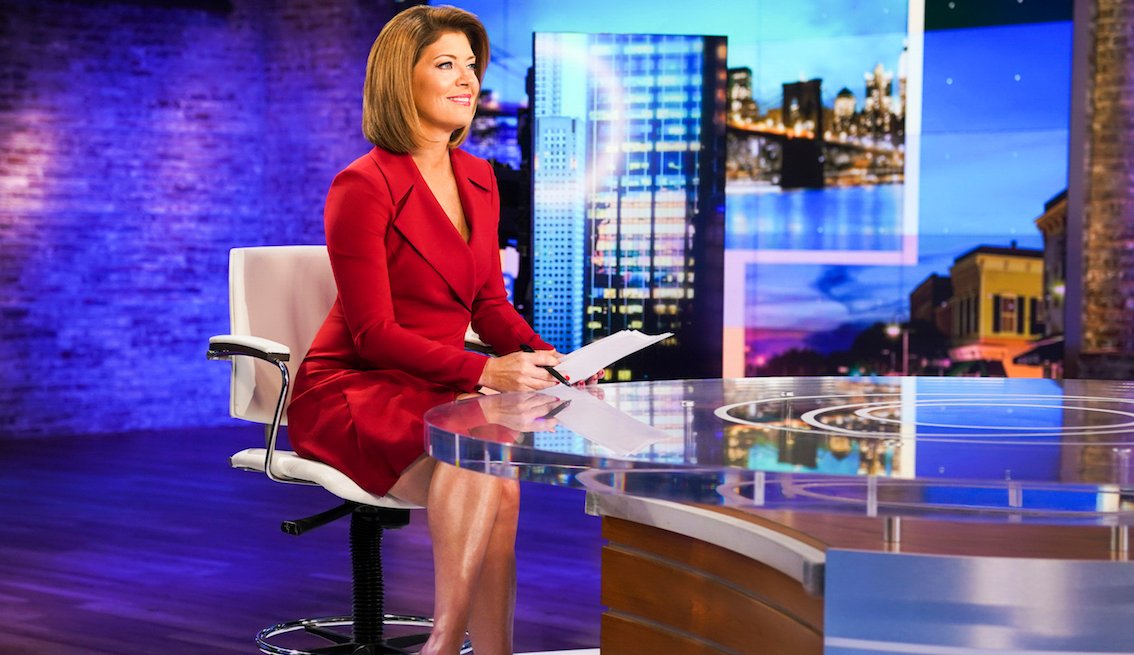
Norah O’Donnell’s Irish heritage, with roots in County Kerry, continues to shape her journalistic integrity and strong cultural identity.
The Anchor with Roots Across the Ocean
Every weeknight, millions of Americans turn on their televisions to watch Nora O’Donnell deliver the news with authority, precision, and a gravitas that commands attention. She sits in the anchor chair at CBS Evening News—one of the most prestigious positions in American journalism—and makes it look effortless. Professional. Polished. Thoroughly American.
But behind that desk, behind the carefully crafted sentences and the measured delivery, sits a woman whose story is quintessentially Irish-American. A woman whose great-grandparents fled County Kerry with little more than hope and determination. A woman whose success is built on foundations laid by immigrants who faced discrimination, poverty, and a country that didn’t want them.
Born January 23, 1974, in Washington, D.C., Nora O’Donnell arrived at a moment when the Irish-American experience was transforming. Her ancestors’ generation had worked brutal jobs, lived in overcrowded tenements, and fought for every scrap of respect. By the time Nora was born, Irish-Americans had ascended to positions of power—but the memory of that struggle remained, passed down through family stories and cultural values that refused to fade.
She grew up in a household where education was sacred, where storytelling was art, where hard work wasn’t just expected but demanded. These aren’t random values—they’re specifically Irish-American values, forged in the experience of immigrants who understood that education was the only ladder their children could climb, that stories preserved identity when everything else could be stripped away, that work was the only weapon available to people fighting poverty and prejudice.
Georgetown University. Philosophy degree with a theology minor. These choices aren’t accidental. They reflect an Irish Catholic intellectual tradition, a hunger for understanding deeper truths that goes back centuries to when Irish monks preserved Western civilization in medieval monasteries. O’Donnell’s academic path mirrors the Irish respect for learning, the belief that education liberates, that knowledge is power in hands that have been kept powerless too long.
Her career trajectory—from local reporting to NBC News to the CBS Evening News anchor chair—represents more than personal ambition. It’s the culmination of generations of Irish-American struggle, proof that the grandchildren of immigrants could claim space at the very center of American media. When O’Donnell signs off each evening, she’s not just delivering news—she’s embodying possibility, living testimony to what Irish determination can achieve.
The Great Atlantic Crossing
To understand O’Donnell’s story, you have to understand the story her ancestors lived. County Kerry, on Ireland’s southwestern coast, is breathtakingly beautiful—all dramatic cliffs and green fields that roll toward the Atlantic like waves frozen mid-swell. It’s also a place that historically offered its young people exactly two choices: stay and struggle, or leave and survive.
The O’Donnell family, like millions of other Irish families, chose survival. They left behind everything familiar—the landscape they knew in their bones, the neighbors who were practically family, the church where they’d been baptized and would have expected to be buried. They traded certainty for possibility, homeland for hope.
Picture the journey: climbing aboard a ship in Cork or Cobh, watching Ireland recede until it’s just a dark line on the horizon, then nothing at all. Weeks at sea in conditions that killed thousands. The terror of arriving in a place where you don’t know the rules, don’t have connections, can barely afford lodging for the night. The humiliation of signs that read “No Irish Need Apply.” The grinding labor—men breaking their backs in construction and on docks, women working as domestic servants in households that treated them as barely human.
This wasn’t romantic adventure. This was survival at its most desperate. The Irish who emigrated during and after the Great Famine weren’t seeking fortune—they were fleeing death. Ireland had failed them catastrophically, and Britain had watched them starve while continuing to export Irish-grown grain for profit. The trauma of that betrayal, that abandonment, ran deep. It created a particular kind of toughness in Irish immigrants, a refusal to be broken no matter how hard America tried to break them.
O’Donnell’s ancestors carried this trauma in their DNA. They also carried resilience, community bonds, and cultural values that would not only help them survive but would eventually help them thrive. The Irish built networks of mutual support—churches, social clubs, political organizations. They looked out for their own because nobody else would. And slowly, painfully, they carved out space in American society.
By the time Francis O’Donnell (Nora’s father) was born, Irish-Americans had begun their ascent from the bottom rungs of American society. But the memory remained fresh. The stories of struggle got passed down like heirlooms, shaping each generation’s understanding of what they’d overcome and what they owed to those who came before.
The Melting Pot Made Personal
Nora O’Donnell embodies something quintessentially American: the hyphenated identity. Irish-American father, Lebanese-Italian-American mother. She’s not just one thing—she’s a collision of cultures, each contributing to who she is.
But the Irish strand in this braid is particularly strong. Her father’s County Kerry roots provided more than just genealogical facts—they provided cultural framework. The Irish-American community she grew up around (even if not exclusively Irish) carried distinct values: the centrality of family, the importance of church, the respect for education, the tradition of storytelling.
These cultural values aren’t decorative elements in O’Donnell’s life—they’re foundational. The importance of storytelling? That’s literally her profession. She tells stories to millions of people every single night, continuing an Irish tradition that goes back thousands of years. The oral tradition that kept Irish culture alive during centuries of oppression found new expression in journalism, where the ability to craft compelling narratives, to make complex information accessible, to connect with audiences through authentic human stories—these are the same skills Irish storytellers have always cultivated.
The family gatherings where stories get shared—grandparents’ memories of hardship and perseverance, tales of the old country that get more mythic with each retelling—these weren’t just entertainment. They were cultural transmission, identity formation, the preservation of heritage through narrative. O’Donnell grew up hearing these stories, absorbing them, learning from them. They taught her who she was and where she came from.
And those lessons matter. In a profession where authenticity is currency, where audiences can spot phoniness from miles away, O’Donnell’s grounding in real stories, in genuine human experience, gives her credibility. She’s not performing empathy—she’s channeling generations of Irish understanding that everyone has a story, that dignity doesn’t depend on status, that the powerful and powerless alike deserve to be heard.
Irish Values, American Success
The Irish-American emphasis on education isn’t random cultural quirk—it’s survival strategy passed down through generations. In Ireland, the British Penal Laws once prohibited Catholics from attending school. Education was literally illegal, which made it precious, sacred, worth risking everything to obtain. Irish Catholics learned in secret “hedge schools,” gathering in fields and barns to preserve literacy and learning.
When Irish immigrants arrived in America, they carried this reverence for education like treasure. They understood what many native-born Americans took for granted: education was liberation. It was the tool that could pry open doors nailed shut by prejudice. It was the ladder that could lift children out of poverty. It was the weapon that turned despised immigrants into respected professionals.
O’Donnell’s path—Georgetown, philosophy, theology—reflects this tradition perfectly. Her parents didn’t just want her to get a degree; they wanted her to get the kind of education that develops critical thinking, that grapples with fundamental questions, that produces not just workers but thinkers. This is Irish-Catholic intellectual tradition at its finest: the belief that education should nourish the soul as much as it prepares you for a career.
The Irish value of hard work operates on similar principles. It’s not Protestant work ethic (though that gets cited more often). It’s Catholic immigrant work ethic—the understanding that you have to work twice as hard to get half as far, that nobody’s going to hand you anything, that the only way to prove you belong is through undeniable excellence.
O’Donnell’s two-decade career, her rise from local reporter to network anchor to CBS Evening News managing editor, reflects this relentless work ethic. She didn’t coast on connections or charm. She worked. She reported. She honed her craft. She earned every promotion through the kind of determination her Irish ancestors would recognize instantly: the refusal to be denied, the insistence on excellence, the conviction that you owe it to those who came before to make the most of opportunities they never had.
Breaking Glass Ceilings with Irish Grit
Being a woman in journalism has never been easy. Being a woman anchoring a major network evening newscast? That’s rarefied air, a club so exclusive that you can count current members on one hand.
O’Donnell didn’t just walk into this role—she fought for it, the way Irish immigrants fought for every inch of acceptance in America. The same cultural toughness that helped her ancestors survive poverty and discrimination now helps her navigate a profession that hasn’t always welcomed women, that still questions whether female anchors can command authority, that scrutinizes women’s appearance and demeanor in ways male anchors never face.
But here’s where Irish cultural values become advantage: the Irish have always understood that respect isn’t given, it’s earned. That authority comes from competence, not assumption. That the way to silence doubters isn’t complaining—it’s delivering such undeniable excellence that arguments become irrelevant.
O’Donnell’s approach to journalism reflects this. She doesn’t ask for special treatment or make excuses. She does the work. She asks tough questions. She holds powerful people accountable. She delivers journalism that’s rigorous, fair, and fearless. And slowly, inevitably, respect follows.
She’s become a role model not through proclamation but through example—showing young women (particularly those from immigrant backgrounds) that you can honor your heritage while achieving at the highest levels, that your background isn’t obstacle but foundation, that the values your family instilled aren’t outdated but timeless.
The Storytelling Gene
If there’s one Irish cultural tradition that maps perfectly onto journalism, it’s storytelling. The Irish have always been a nation of storytellers—it’s literally how they preserved their culture during centuries when their language was banned, their history was suppressed, their very identity was under assault.
The old seanachies (traditional storytellers) weren’t just entertainers—they were historians, educators, cultural guardians. They kept alive the stories that made Irish people Irish, passing them down orally when written records were forbidden or inaccessible. They understood that the way you tell a story matters as much as what the story says, that rhythm and cadence and emotional resonance are as important as facts.
O’Donnell inherits this tradition whether she consciously realizes it or not. Her ability to take complex stories and make them accessible, to find the human angle in policy debates, to craft narratives that inform while engaging—these aren’t just professional skills learned in journalism school. They’re cultural inheritance, the Irish gift for communication that survived immigration, assimilation, and generational distance.
Watch her interview technique. She asks questions, yes, but she also listens—really listens, the way the old storytellers listened for the emotional truth beneath surface facts. She follows threads that others might miss, finding connections that illuminate larger patterns. She knows that the best stories aren’t told at people but with them, inviting audiences into shared understanding rather than lecturing down from authority.
This approach—conversational yet authoritative, accessible yet rigorous—reflects Irish storytelling tradition adapted to modern journalism. She’s doing on television what her ancestors did around fires and in pubs: making sense of the world through story, creating community through shared narrative, preserving truth through compelling communication.
Faith, Values, and Professional Ethics
O’Donnell’s theology minor wasn’t just academic curiosity—it reflects the Irish-Catholic intellectual tradition that grapples seriously with questions of morality, ethics, and human purpose. Irish Catholicism (distinct from Italian or Spanish or Irish varieties) developed its own character, shaped by centuries of persecution that made faith both personal refuge and political resistance.
This tradition emphasizes certain values that translate directly into journalistic ethics: the dignity of every person regardless of status, the moral imperative to speak truth to power, the responsibility to use gifts in service of community, the understanding that privilege creates obligation.
When O’Donnell tackles stories about social justice, inequality, or systemic failures, she’s operating from this ethical framework even if she never explicitly names it. The Irish-Catholic tradition taught that the measure of society is how it treats its most vulnerable, that comfort requires questioning, that those given platform have duty to amplify voices that would otherwise go unheard.
Her commitment to thorough, fair reporting isn’t just professional standard—it’s moral calling, rooted in values that her Irish-Catholic upbringing instilled. The same religious tradition that emphasized confession (accountability), charity (concern for others), and social teaching (collective responsibility) now manifests in journalism that holds powerful accountable, centers marginalized voices, and treats news as public service rather than mere entertainment.
Heritage as Strength
In various interviews, O’Donnell has spoken about her Irish heritage with evident pride. She’s said that her ancestors’ stories aren’t just past—they’re present, living within her, guiding her values and approach to life. This isn’t sentimental nostalgia. It’s recognition that heritage provides framework, that knowing where you came from helps you navigate where you’re going.
“Each generation carries the hopes and dreams of their predecessors,” she’s observed. This understanding—that her success represents not just personal achievement but fulfillment of ancestral aspirations—shapes how she approaches her work. She’s not just Nora O’Donnell, successful journalist. She’s Nora O’Donnell, descendant of County Kerry immigrants who sacrificed everything so their children and grandchildren might have opportunities they never imagined.
This sense of obligation, of owing something to those who came before, is deeply Irish. It creates drive that’s about more than personal ambition. O’Donnell works not just for herself but for the grandmother who scrubbed floors, the grandfather who broke his back in construction, all the unnamed ancestors who endured so she could achieve.
She’s also spoken about heritage as source of empathy and understanding. Exploring your roots, she’s said, helps you appreciate the diverse stories that make up society. When you understand your own family’s immigrant struggle, you’re better equipped to report fairly on contemporary immigration debates. When you know your ancestors faced discrimination, you’re more attuned to ongoing injustice. Heritage isn’t barrier separating you from others—it’s bridge connecting you to all who’ve struggled, all who’ve fought for dignity, all who’ve refused to be erased.
Celebrating Irish-America Today
O’Donnell’s Irish heritage isn’t just personal history—it connects her to vibrant, ongoing Irish-American community. The Saint Patrick’s Day parades, the Irish cultural organizations, the festivals and gatherings—these aren’t just ethnic celebrations. They’re affirmations of identity, declarations that Irish culture survives and thrives in America.
Major cities’ Saint Patrick’s Day parades draw millions, turning streets green with celebration. But beneath the festivity lies something deeper: communal pride, generational connection, refusal to forget where we came from even as we fully embrace where we are. When Irish-Americans (and millions of honorary Irish for a day) parade through Boston or Chicago or New York, they’re simultaneously celebrating heritage and claiming American identity—proving these don’t conflict but complement.
Organizations like the Ancient Order of Hibernians and various Irish Cultural Centers keep traditions alive year-round. They teach Irish language, music, and dance. They preserve historical records. They create spaces where Irish-Americans can connect with heritage that modern life often pushes to the margins. These institutions ensure that Irish culture doesn’t fade into generic “whiteness” but remains distinct, vibrant, contributing unique flavor to American cultural landscape.
O’Donnell’s success, her visibility in American media, gives her platform to celebrate this heritage publicly. When someone in her position acknowledges their Irish roots, it validates that heritage for millions of Irish-Americans, reminding them that cultural identity isn’t something to hide or downplay but to embrace and share.
The Ongoing Journey
Ancestry research has exploded in recent years, with DNA tests and online databases making it easier than ever to trace family trees. Irish-Americans, perhaps more than any other group, have enthusiastically embraced this technology. They’re searching for the townlands their ancestors left, the ships they sailed on, the lives they left behind.
This isn’t just genealogical curiosity—it’s identity quest. Irish-Americans are trying to recover what assimilation took, reconnect with heritage that was supposed to disappear into the melting pot. They’re discovering that Irish identity didn’t vanish—it went underground, preserved in family stories and cultural values, waiting for descendants to reclaim it.
Resources like Ancestry.com, Findmypast, and the National Archives of Ireland make this recovery possible. The 1901 and 1911 Irish censuses, now digitized and searchable, let Irish-Americans find actual records of their ancestors—see their names, ages, occupations, exact addresses. These aren’t abstract ancestors anymore—they’re real people whose lives can be partially reconstructed, honored, remembered.
O’Donnell’s story encourages this exploration. If someone as successful as a network evening news anchor takes pride in Irish heritage, it validates everyone else’s interest in their roots. It suggests that knowing your ancestry isn’t backward-looking nostalgia but forward-looking strength—understanding your foundation so you can build higher.
Why Heritage Matters Now
In increasingly diverse, globalized America, the question of ethnic heritage becomes more complex. Do old identities still matter? Should they? Or should we move toward post-ethnic future where background becomes irrelevant?
O’Donnell’s example suggests a different answer: heritage matters precisely because diversity matters. Understanding your own cultural roots doesn’t separate you from others—it helps you appreciate that everyone has roots, everyone has story, everyone comes from somewhere. The Irish-American who understands their ancestors’ immigrant struggle is better equipped to empathize with today’s immigrants, regardless of origin.
Moreover, heritage provides what modern life often lacks: continuity, connection to something larger than yourself, sense of being part of ongoing story that started before you and will continue after you. In atomized, individualistic society, knowing you’re link in chain connecting past to future provides meaning, purpose, grounding.
O’Donnell embodies this healthy relationship with heritage. She doesn’t let Irish ancestry define her entirely—she’s also shaped by her mother’s Lebanese-Italian background, by her American upbringing, by her education and experiences. But she doesn’t ignore or minimize the Irish strand either. She integrates it, honors it, lets it inform her values while remaining fully engaged with contemporary America.
This integration—being both proudly Irish and fully American, respecting tradition while embracing progress, honoring ancestors while forging your own path—represents the best of what hyphenated identity can be.
The Legacy Continues
Every evening when Nora O’Donnell anchors the CBS Evening News, she’s doing more than delivering headlines. She’s embodying an Irish-American journey that spans generations, proving that the grandchildren of County Kerry immigrants can claim space at the very center of American public life.
Her success isn’t despite her Irish heritage—it’s partially because of it. The values instilled by Irish-American upbringing—respect for education, commitment to hard work, facility with storytelling, sense of obligation to community—these aren’t obstacles to overcome but advantages to leverage.
She stands as living proof that ethnic heritage and American success aren’t opposed but complementary, that knowing where you came from helps you navigate where you’re going, that the old stories Irish immigrants told their children weren’t just backward-looking nostalgia but forward-looking wisdom.
The journey from County Kerry to the CBS Evening News anchor desk represents more than one family’s achievement. It represents the Irish-American dream realized, the promise of immigration fulfilled, the vindication of every ancestor who sacrificed comfort for their descendants’ opportunity.
And the story continues. O’Donnell’s own children will inherit this heritage, will learn the same stories of struggle and perseverance, will carry forward values that have survived centuries and crossed oceans. They’ll make their own way in America, shaped by their heritage but not limited by it, honoring the past while creating the future.
This is how culture survives—not preserved in museums but living in people, evolving while maintaining essential character, adapting to new circumstances while remembering core values. The Ireland of O’Donnell’s ancestors doesn’t exist anymore. But Irish values, Irish stories, Irish determination—these persist, finding new expression in each generation.
When Nora O’Donnell closes each broadcast, she carries forward a tradition older than nations, more enduring than empires: the Irish gift for communication, for finding truth and telling it compellingly, for using words to make sense of chaos and create community in fractured world.
From County Kerry to Capitol Hill, from hedge schools to Georgetown University, from “No Irish Need Apply” to CBS Evening News anchor—the journey spans centuries and continents, but the thread remains unbroken. And that matters. Not as limitation but as liberation, not as burden but as gift, not as past to escape but as foundation to build upon.
Nora O’Donnell knows where she came from. That knowledge doesn’t constrain her—it empowers her. And in that empowerment lies a lesson for all of us: your heritage, properly understood, isn’t what holds you back. It’s what lifts you up.
Shop new arrivals
-

“Get Lucked Up” Unisex T-Shirt – Shamrock Shenanigans
Price range: $19.99 through $25.99 -
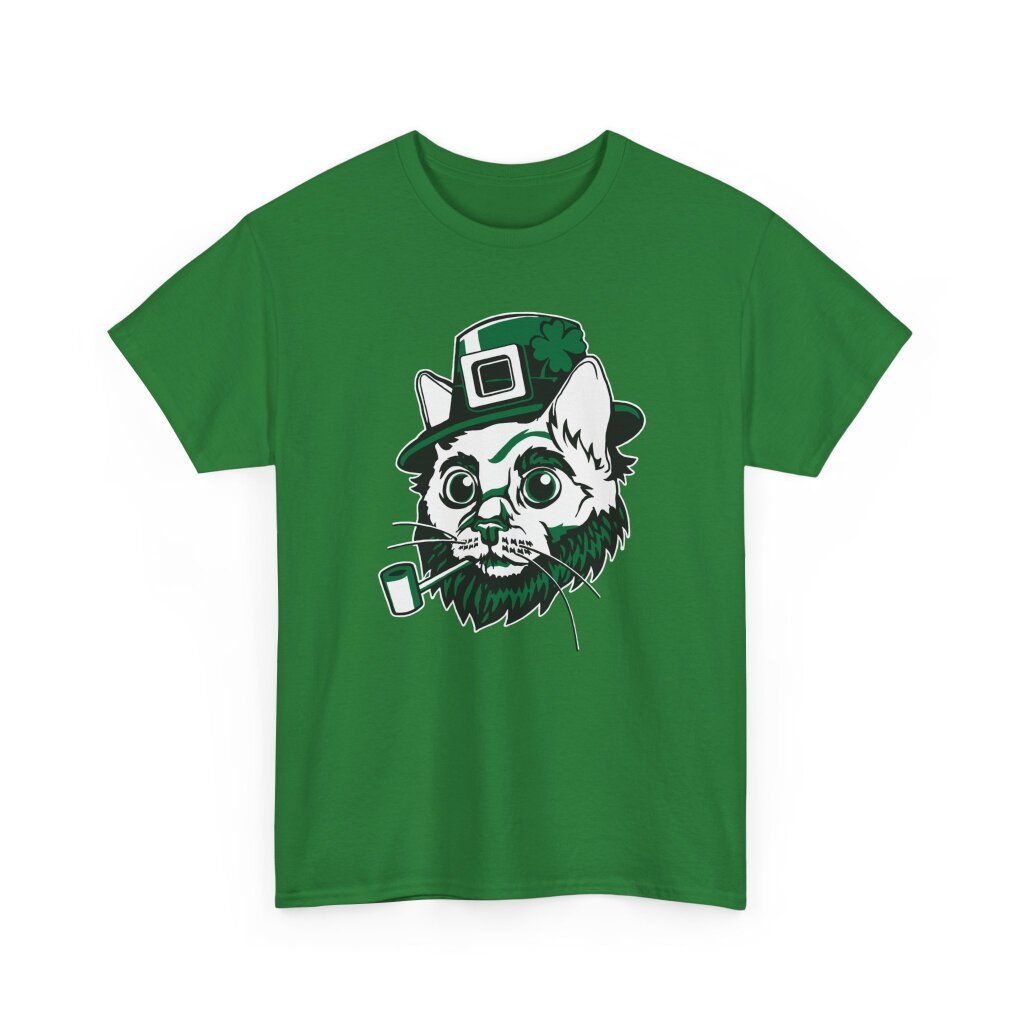
“Leprechaun Cat” Unisex T-Shirt – Purrfectly Lucky
Price range: $19.99 through $25.99 -

4-Leaf Clover USA Flag Unisex T-Shirt – Irish American Pride Tee in Green for Heritage & Gifting
Price range: $22.99 through $27.89 -

American Grown with Irish Roots Unisex T-Shirt – USA & Ireland Flag Heritage Tee
Price range: $22.99 through $27.89 -

Biting Lip Irish Pop Art Unisex T-Shirt – Sexy Green Shamrock Tee with Glitter Vibes
Price range: $22.99 through $27.89