
R. Nicholas Burns’ Irish heritage adds a rich layer of cultural depth to his distinguished career in diplomacy and global affairs.
The Ambassador with Celtic Roots
R. Nicholas Burns doesn’t fit the Hollywood diplomat stereotype—no flashy entrances, no dramatic confrontations, no action-movie heroics. Born in 1956 to Irish-American family, he built distinguished career through patient negotiation, deep knowledge, strategic thinking. U.S. Ambassador to Greece (1997-2001). Under Secretary of State for Political Affairs under Condoleezza Rice. NATO spokesperson during Balkans conflicts. Professor at Harvard’s Kennedy School. Career diplomat who navigated crises through intelligence and persistence rather than theatrics.
But diplomacy isn’t bloodless technocratic exercise, despite what procedural descriptions suggest. It’s human activity—shaped by values, informed by heritage, guided by understanding of who you are and where you came from. Burns’ Irish ancestry—traced to Ireland’s west coast, particularly County Kerry where ancestors lived before emigrating—shaped his approach to international relations in ways both obvious and subtle.
His family didn’t just happen to be Irish-American—they actively maintained connection to heritage through traditions, storytelling, values that got transmitted across generations. Growing up in household where Irish customs were celebrated, where family bonds were sacred, where stories of ancestors’ struggles and triumphs were shared, Burns absorbed Irish values before he could articulate them: community over individualism, dialogue over conflict when possible, persistence in face of obstacles, understanding that identity matters.
That Kerry visit he recounts—standing on cliff overlooking Atlantic, feeling inexplicable connection to land his ancestors left—wasn’t just tourism or genealogical curiosity. It was recognition that heritage shapes you, that understanding where you came from illuminates who you are and potentially who you might become. The sacrifices his immigrant ancestors made, the challenges they faced, the values they maintained while adapting to America—these became part of Burns’ foundation, shaping his approach to career dedicated to service and dialogue.
From Irish Emigration to American Diplomacy
To understand Burns’ Irish heritage is to understand why his ancestors left Ireland’s west coast for America. County Kerry, despite its stunning beauty—dramatic coastlines, mountains meeting sea, landscapes that seem designed to inspire—offered limited economic opportunities in 19th century.
British colonial policies had systematically impoverished Ireland. Land ownership was concentrated among Protestant elite while Catholic majority (which included Burns’ ancestors) were denied opportunities, faced legal discrimination, saw futures of grinding poverty stretching endlessly ahead. Young people looked around and saw two options: accept poverty as permanent condition or emigrate to countries offering possibility of something better.
Burns’ ancestors chose America, chose possibility over certainty, chose displacement over accepting circumstances that denied dignity and opportunity. They joined waves of Irish immigrants arriving in American ports, facing “No Irish Need Apply” discrimination but gradually establishing themselves through determination and community support.
The immigrant experience carved itself into family psychology across generations. You don’t forget that your ancestors left everything familiar seeking survival and dignity. You don’t forget that success in America required extraordinary persistence when discrimination made advancement difficult. You don’t forget that community bonds matter because they’re what sustained immigrants when broader society offered hostility.
By the time Nicholas was born in 1950s America, explicit daily connection to Ireland had weakened—family spoke English, were culturally American, didn’t maintain all traditional Irish customs. But values persisted: emphasis on family, commitment to community, appreciation for education as pathway to opportunity, understanding that service to others matters, comfort with being bridge between different groups because that’s immigrant experience.
Irish Values in Diplomatic Practice
Irish culture has always emphasized certain values: community bonds as sacred, dialogue as preferable to conflict, persistence in face of obstacles, understanding that identity and belonging matter profoundly. These values emerge from Irish history—centuries of colonization taught that community sustains you when power oppresses you, that talking is better than fighting when possible, that giving up isn’t option when survival requires persistence.
Burns’ diplomatic career reflects these Irish values throughout. His work on NATO expansion required building consensus among nations with different interests—exactly kind of community-building that Irish culture prizes. His negotiating during Balkans conflicts required patience and persistence when quick solutions weren’t available—Irish stubbornness channeled productively.
His emphasis on dialogue and negotiation over confrontation reflects Irish understanding that talking, while slower and messier than fighting, produces more sustainable outcomes when it works. Irish history taught bitter lessons about costs of conflict—centuries of violence between Irish and British, ongoing troubles in Northern Ireland. This created cultural appreciation for peaceful resolution that Burns carries into diplomatic work.
His commitment to international cooperation, to building institutions that connect nations, to creating frameworks for dialogue—these reflect Irish immigrant understanding that you’re stronger in community than alone, that building bonds across differences creates security that isolation never provides.
The Community Ethos: Irish to International
Irish culture has always emphasized community over pure individualism—not collectivism that erases individual identity but understanding that individuals exist within webs of relationships and obligations, that community bonds are what make you human, that service to others is moral obligation not optional charity.
Irish immigrants to America maintained this community emphasis fiercely. Irish neighborhoods in American cities weren’t just where Irish happened to live—they were deliberately created support systems where mutual aid was expected, where community bonds sustained people when broader society offered hostility, where being Irish meant belonging to something larger than yourself.
Burns grew up saturated in this Irish community ethos. Family gatherings weren’t just social events—they were affirmations of bonds that mattered, times when stories got shared and connections got reinforced. Religious community (Catholic, typically for Irish-Americans) emphasized same values: you’re part of community with obligations to others, service matters, caring for those who need help is what decent people do.
This Irish community ethos shaped Burns’ entire career approach. Diplomacy at its best is community-building on international scale—creating frameworks where nations cooperate despite differences, building institutions that make dialogue normal and conflict exceptional, fostering connections that create shared interests.
His work promoting Irish-American relations demonstrates this community ethos directly. Participation in American Ireland Fund events, facilitating exchanges between Irish and American officials, promoting economic partnerships—these aren’t just professional duties but extensions of Irish value that you strengthen communities by connecting them, that building bridges matters.
The Storytelling Tradition: Narrative as Diplomacy
Irish culture has always treated storytelling as essential rather than frivolous—way of preserving history when written records were scarce, method of teaching values without preaching, means of creating community through shared narratives, strategy for making sense of experiences through carefully told tales.
Burns’ grandmother’s emigration stories—tales of challenges faced, sacrifices made, hopes that sustained people through difficulties—weren’t just family history. They were Irish storytelling tradition in action: using narrative to teach values, to create connection between generations, to explain who you are by explaining where you came from.
This Irish storytelling tradition translates directly to diplomacy. Effective diplomats don’t just negotiate technically—they craft narratives that make agreements possible, that help different parties see common interests, that frame situations in ways enabling compromise. Diplomacy is fundamentally about narrative: what story gets told about situation, whose perspective gets centered, how history gets invoked.
Burns’ effectiveness as diplomat and analyst stems partly from narrative skill—ability to explain complex situations clearly, to frame issues in ways illuminating core concerns, to tell stories that connect policy debates to human consequences. This reflects Irish understanding that how you tell something affects what it means, that narrative shapes reality as much as facts do.
His work explaining foreign policy to public, his teaching at Harvard, his media analysis—all demonstrate Irish gift for storytelling adapted to diplomatic and educational contexts. He doesn’t just deliver information; he crafts narratives that help people understand why things matter, what’s at stake, how pieces connect.
The Bridge Builder: Irish-American Identity
Irish-Americans navigate dual identity—American but maintaining connection to Ireland, neither fully one thing nor fully another, serving as bridges between two worlds. This experience of being hyphenated creates particular perspective: you understand multiple viewpoints, you translate between different groups, you recognize that identity is negotiation rather than fixed condition.
Burns embodies this Irish-American bridge-builder role perfectly. His work on Irish-American relations isn’t just professional duty—it’s extension of personal identity as someone connected to both worlds, comfortable operating between them, seeing value in maintaining bonds even as both societies change.
His facilitation of high-level visits between Irish and American officials, his promotion of economic partnerships, his support for Northern Ireland peace process—all demonstrate Irish-American’s unique position as someone who understands both perspectives, can translate between them, sees strengthening bonds as natural rather than forced.
This bridge-builder identity extends beyond just Ireland-America relations. Diplomacy fundamentally requires bridging differences, understanding multiple perspectives, finding common ground when positions seem incompatible. Burns’ experience as Irish-American—negotiating dual identity, maintaining connections across Atlantic, seeing value in both traditions—prepared him perfectly for career bridging national differences.
Why His Irish Heritage Matters
Burns occasionally discusses Irish heritage in interviews and public appearances, acknowledging how it shaped values and perspectives. But understanding his Kerry roots illuminates aspects of his career that might otherwise seem purely professional rather than culturally rooted.
His emphasis on dialogue reflects Irish values. His community-building approach mirrors Irish immigrant experience. His storytelling skill continues Irish narrative tradition. His bridge-building between different groups extends Irish-American experience of navigating dual identity. His persistence in face of obstacles channels Irish immigrant determination.
For those trying to understand what makes Burns effective diplomat and teacher—why his approach differs from more confrontational styles, why he prioritizes institution-building and dialogue, why he sees maintaining relationships as crucial—Irish heritage provides framework. He’s not just skilled professional who happened to choose diplomacy; he’s product of cultural traditions that shaped what matters, how to achieve it, what makes efforts worthwhile.
The Enduring Legacy
At nearly 70 years old (as of this writing), Burns continues teaching at Harvard, continues analyzing foreign policy, continues demonstrating that diplomacy rooted in dialogue and community-building remains relevant despite those who prefer more aggressive approaches.
His Irish heritage shaped this career in ways both obvious and subtle. From Kerry’s cliffs to Harvard’s halls, from immigrant ancestors to distinguished diplomat, from family stories to international negotiations—the journey represents cultural transmission across generations and oceans.
Burns likely doesn’t consciously think “I’m being Irish” when he emphasizes dialogue over confrontation, when he builds community among different groups, when he tells stories that illuminate policy choices. But he’s drawing from Irish wells nonetheless—values transmitted across generations, patterns established by ancestors who left Ireland seeking dignity and opportunity, understanding that community bonds matter and dialogue beats conflict when possible.
The diplomat with Celtic soul proves that heritage shapes us even when we don’t constantly acknowledge it, that cultural values persist across generations in ways both visible and invisible, that the best public servants draw from traditions deeper than job training alone provides.
From Ireland to America to international diplomacy to teaching next generation—Nicholas Burns’ Irish gifts for community-building and storytelling and bridge-making live on, proving that what we inherit shapes what we contribute, that knowing where you came from enriches what you create, and that the values carried by Irish immigrants across Atlantic continue serving America and world through their descendants’ work.
That’s not just Burns’ achievement—it’s Irish-American legacy, demonstration that heritage honored becomes strength deployed, that cultural values preserved become advantages in addressing contemporary challenges, that the best of who we are often traces back to where we came from—if we’re wise enough to recognize it, grateful enough to honor it, and skilled enough to adapt it to contexts our ancestors never imagined but would absolutely recognize as extensions of everything they taught about community, dialogue, persistence, and service to something larger than ourselves.
Shop new arrivals
-
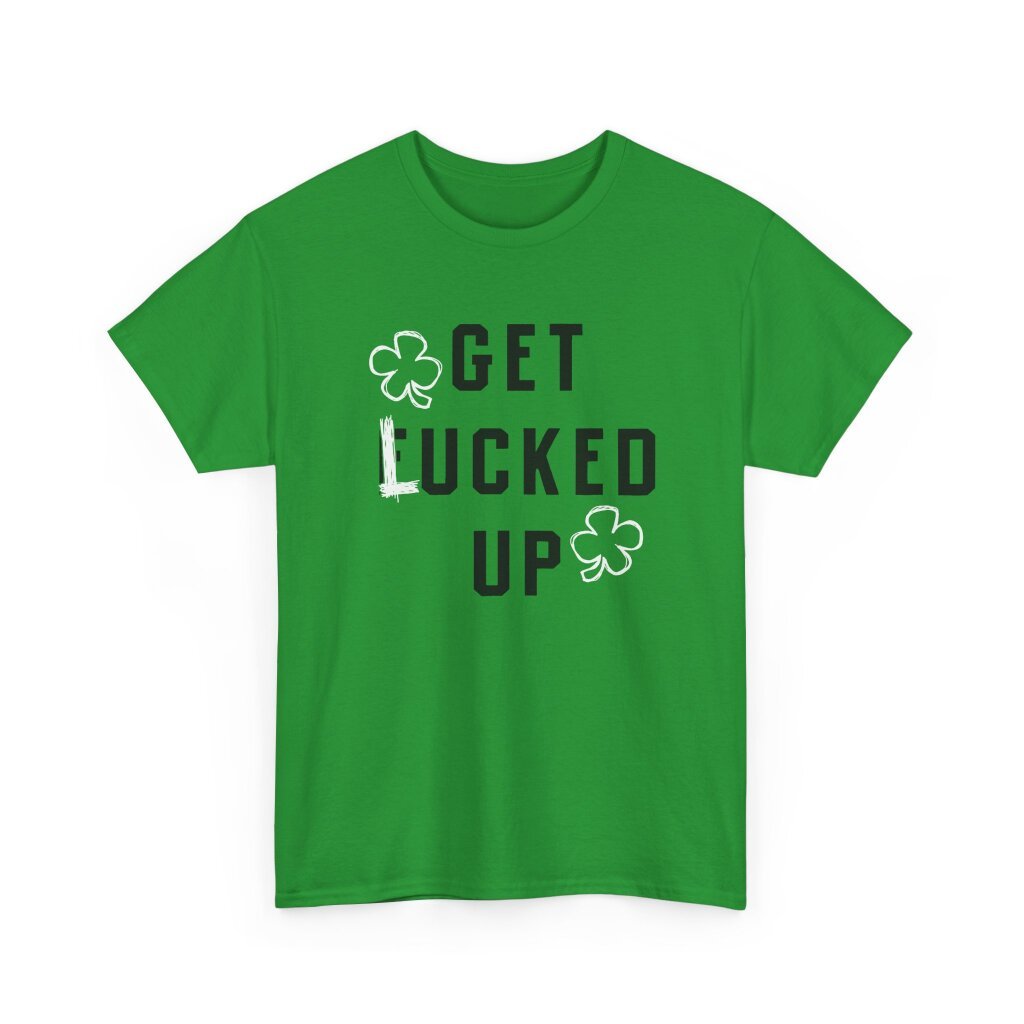
“Get Lucked Up” Unisex T-Shirt – Shamrock Shenanigans
Price range: $19.99 through $25.99 -
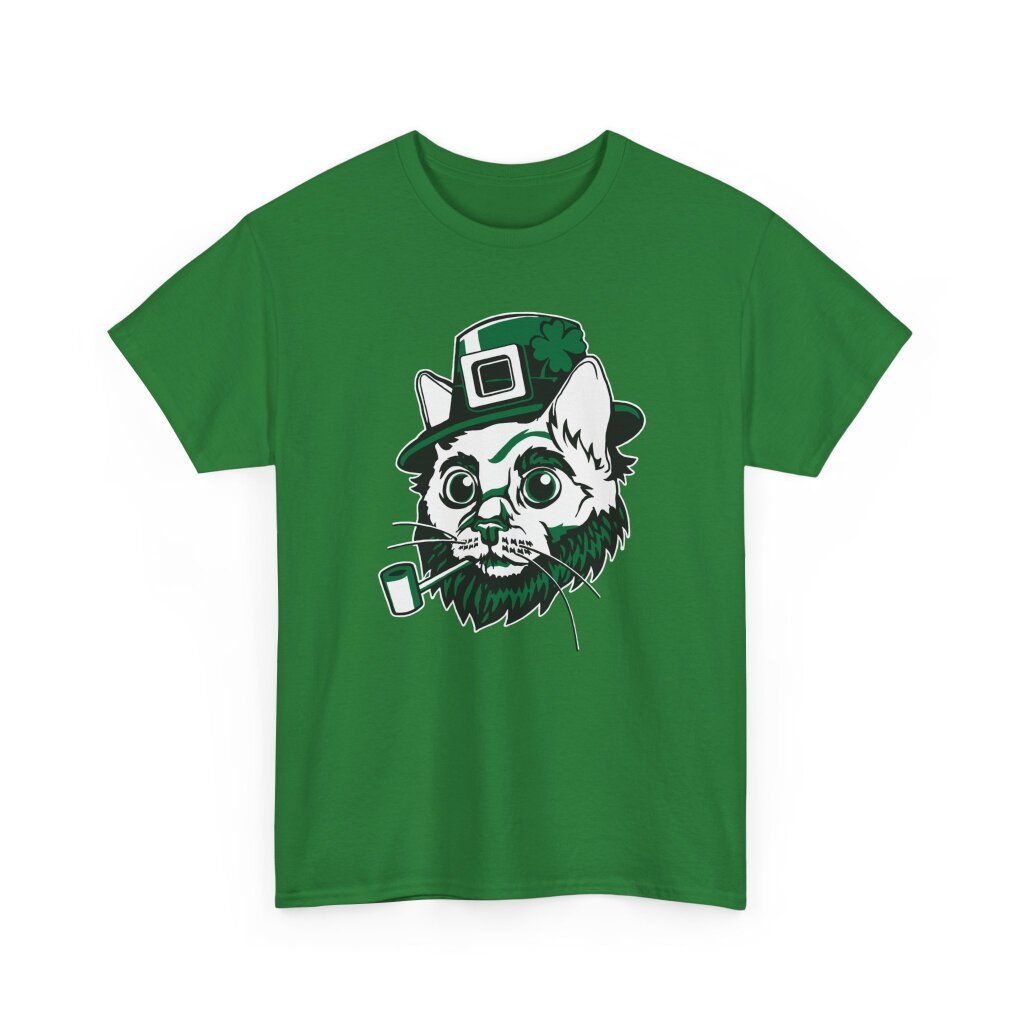
“Leprechaun Cat” Unisex T-Shirt – Purrfectly Lucky
Price range: $19.99 through $25.99 -

4-Leaf Clover USA Flag Unisex T-Shirt – Irish American Pride Tee in Green for Heritage & Gifting
Price range: $22.99 through $27.89 -

American Grown with Irish Roots Unisex T-Shirt – USA & Ireland Flag Heritage Tee
Price range: $22.99 through $27.89 -

Biting Lip Irish Pop Art Unisex T-Shirt – Sexy Green Shamrock Tee with Glitter Vibes
Price range: $22.99 through $27.89