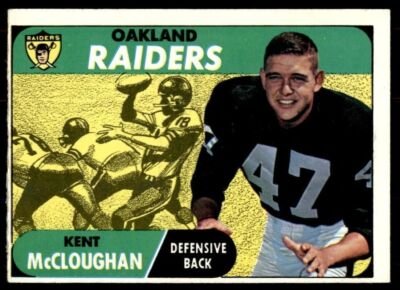
A Football Tale with a Touch of the Irish
Kent McCloughan wasn’t just another lad throwing himself around a football field—he was a cornerback with the kind of grit and determination that would make his Irish ancestors nod approvingly from across the Atlantic. Born in 1940, McCloughan carved out a career that proved you don’t need the luck of the Irish when you’ve got talent, tenacity, and a work ethic that would put a Dublin docker to shame.
His professional journey kicked off in 1965 when the Oakland Raiders came calling. And what a start it was! From 1965 through 1969 in the American Football League, and then into 1970 when the AFL merged with the NFL, McCloughan became the kind of player who could turn a game on its head with one perfectly timed play. He wasn’t flashy—he was effective, which is far more valuable when you’re trying to stop the opposition from scoring.
Before the pros, McCloughan honed his skills playing college football for the Nebraska Cornhuskers, proving himself worthy of the leap to professional football. But here’s the thing about McCloughan: his achievements on the field tell only half the story. After hanging up his cleats, he didn’t simply fade into the sunset. Instead, he stayed close to the game, mentoring younger players and sharing the wisdom he’d gathered from years of getting knocked down and getting back up again—a very Irish trait, if you ask me.
Nebraska to Oakland: Roots with Irish Soil
McCloughan’s path to professional football ran through Nebraska, where he played college ball for the Cornhuskers. But his family tree had roots that stretched all the way back to the old country. Growing up in a household where hard work wasn’t just encouraged—it was expected, young Kent learned early that success comes to those who earn it.
The competitive nature of college football prepared him well for the professional ranks. While he showed promise in various aspects of the game, it was his skills as a cornerback that truly set him apart—the kind of player who made coaches smile and opposing quarterbacks worry.
Those formative years weren’t just about learning plays and perfecting tackles—they were about discovering the camaraderie and competition that make football more than just a game. It’s about brotherhood, which any Irishman will tell you is worth its weight in gold.
The Raider Years: Silver, Black, and Irish Green
McCloughan’s professional career was a proper journey with the Oakland Raiders, complete with the highs, lows, and everything in between. Starting in 1965 as a cornerback in the AFL, he brought agility and football intelligence that made him invaluable to the team.
For five years in the AFL (1965-1969) and then into the 1970 NFL season after the merger, McCloughan wore the silver and black with pride. These were formative years for the Raiders franchise, and McCloughan was there in the trenches, making the crucial plays that won tight games and built the Raiders’ fearsome reputation.
Of course, professional sports being what they are, every player faces challenges. The physical demands of playing cornerback—going head-to-head with the league’s best receivers week after week—test even the toughest athletes. But here’s where that Irish stubbornness came in handy. McCloughan brought resilience to the position, adapting his approach and competing at the highest level. That’s what defines not just good players, but great ones.
What It Means to Be Irish (Even in American Football)
Let’s talk about Irish ancestry for a moment, shall we? It’s more than just a line on a family tree or an excuse to drink Guinness on St. Patrick’s Day. Irish heritage carries with it a cultural legacy of resilience, creativity, and an unshakeable sense of community—qualities that have enriched American culture since the great waves of Irish immigration in the 19th century.
Those Irish emigrants brought more than their troubles to America’s shores. They brought their customs, their folklore, their love of sport, and—crucially—their athletic traditions. Gaelic football and hurling influenced the development of American football in ways that still echo today.
The Irish American community has long celebrated its heritage through sports, creating leagues, tournaments, and events that keep the culture alive while building something distinctly American. When we recognize the Irish ancestry of athletes like Kent McCloughan, we’re acknowledging this rich tapestry of cultural exchange.
Tracing the McCloughan Line Back to Kerry
Here’s where McCloughan’s story gets particularly interesting. His grandparents made the journey from Ireland to America in the early 20th century, part of that great exodus seeking opportunity and a better life. Like so many Irish families, they were fleeing hardship—the shadow of the Great Famine still loomed large—but they were also chasing dreams.
The McCloughans hailed from County Kerry, that stunning corner of Ireland known for its dramatic landscapes and rich storytelling tradition. Family lore tells of McCloughan’s great-grandfather, a man who navigated the choppy waters of immigration with determination and dignity, refusing to let distance diminish his Irish identity.
The family kept their traditions alive in their new American home. St. Patrick’s Day wasn’t just another day on the calendar—it was a celebration, a connection to the old country, a reminder of who they were and where they came from. These weren’t empty gestures; they were acts of cultural preservation that instilled pride in each generation.
This is what makes McCloughan’s story so compelling. His success on the football field wasn’t disconnected from his Irish roots—it was informed by them, shaped by the values and stories passed down through his family.
The Irish Way: Community, Creativity, and Craic on the Field
McCloughan’s Irish background wasn’t just something for the family scrapbook—it influenced how he approached football itself. Irish culture places enormous value on community, family loyalty, and standing by your mates. In team sports, particularly American football, these aren’t just nice ideas—they’re essential ingredients for success.
The Irish have a long history of resilience and pulling together when times are tough. McCloughan likely carried these values onto the field, understanding that football is fundamentally about unity. Eleven players moving as one, each trusting the others to do their jobs. That’s teamwork, and it’s deeply Irish in spirit.
Then there’s the Irish gift for storytelling and creative thinking. Irish folklore is full of clever characters who think their way out of impossible situations—and if you don’t think that applies to football strategy, you haven’t watched enough tight games. The ability to read a complex situation as a cornerback and respond with innovative tactics? That’s the kind of adaptability that Irish culture has celebrated for centuries.
Leadership, too, has an Irish flavor. The best Irish leaders don’t just command—they inspire, they unite, they make people want to follow them into battle (or, you know, onto the football field). McCloughan’s presence in the Raiders’ secondary likely drew from this cultural well, creating the kind of team environment where everyone feels valued and motivated.
A Legacy That Reaches Beyond the Game
Kent McCloughan’s impact on football extends far beyond his playing statistics. Sure, he was talented and successful with the Raiders, but his real legacy is about what he represented: dedication, resilience, and the ability to compete at the highest level—qualities that resonate with every young player dreaming of making it big.
Coming from a family with Irish heritage, McCloughan’s career highlights the beautiful diversity within American football. He proved that success comes from hard work and perseverance, not just natural talent. For young athletes looking for role models, McCloughan stands as someone who faced challenges head-on and emerged victorious.
After retirement, the story doesn’t end—it evolves. McCloughan has the opportunity to mentor the next generation, to pass along not just football knowledge but life lessons about ethics, teamwork, and dedication. This kind of mentorship is invaluable, bridging the gap between generations of players.
Community involvement is another avenue where retired athletes can make a real difference. Through charitable work and youth programs, McCloughan can inspire young people to pursue not just athletic excellence but personal growth and civic responsibility. That’s a legacy that matters, one that extends well beyond any trophy case.
Why Heritage Matters in Sports
When athletes embrace their cultural heritage, something magical happens. It’s not just about personal identity—it creates connections with fans, enriches the sporting culture, and adds layers of meaning to the competition itself.
Irish ancestry brings with it a passionate fan base that loves nothing more than cheering for one of their own. This support isn’t casual—it’s rooted in deep cultural pride and community bonds. For an athlete like McCloughan, this connection provides extra motivation, a reminder that he’s representing more than just himself.
But the impact goes beyond individual connections. When athletes like McCloughan celebrate their Irish heritage, they elevate the visibility of that culture within sports. Their stories promote diversity and inclusion, showing that the sporting world is richer when we acknowledge and celebrate different backgrounds.
Community events that blend Irish culture with sports—festivals, tournaments, special celebrations—create bonds that transcend the game itself. Athletes become cultural ambassadors, bridging generations and building legacies that last far longer than their playing careers.
The Final Whistle
Kent McCloughan’s story is a grand one, really—a tale of athletic achievement interwoven with cultural heritage, of American success rooted in Irish tradition. His journey from the Nebraska Cornhuskers to the Oakland Raiders reminds us that we’re all products of where we come from, and that understanding our roots enriches everything we do.
For McCloughan, being of Irish descent wasn’t incidental to his football career—it was integral. The values, the resilience, the community spirit that characterize Irish culture found expression in how he played the game and how he lived his life.
In our globalized world, where traditions can sometimes feel like they’re slipping away, stories like McCloughan’s remind us why heritage matters. Reconnecting with ancestral ties—whether Irish, Italian, Mexican, or anything else—gives us a sense of belonging and self-awareness that grounds us.
For young athletes today, McCloughan’s story offers a valuable lesson: talent and dedication are crucial, but understanding your cultural background adds depth to your journey. The blend of cultural pride and sportsmanship he exemplifies shows that being an athlete is about more than statistics—it’s about carrying forward the values and stories of those who came before you.
So here’s to Kent McCloughan—an Irishman at heart who made his mark on American football with the Oakland Raiders, and a reminder that the best stories are always the ones that connect us to something bigger than ourselves.
Sláinte to that.
Shop new arrivals
-
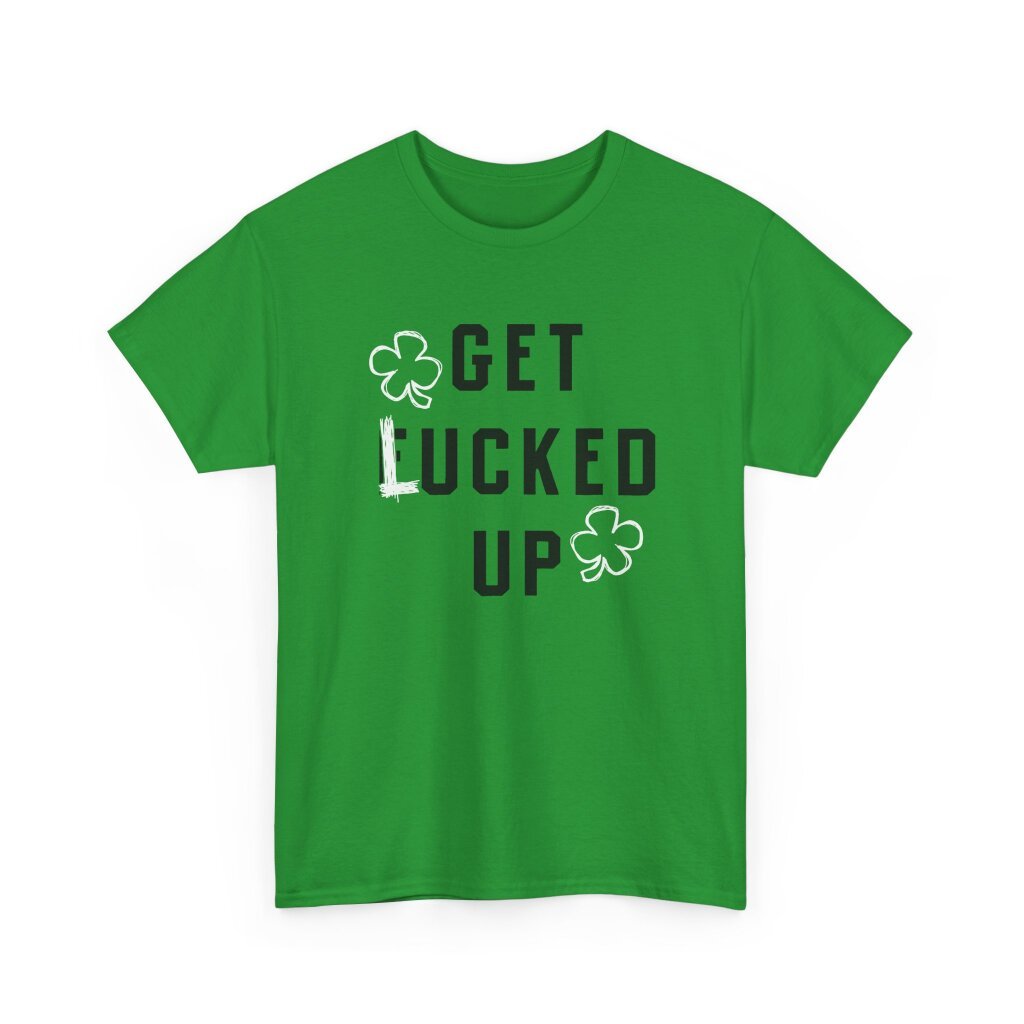
“Get Lucked Up” Unisex T-Shirt – Shamrock Shenanigans
Price range: $19.99 through $25.99 -
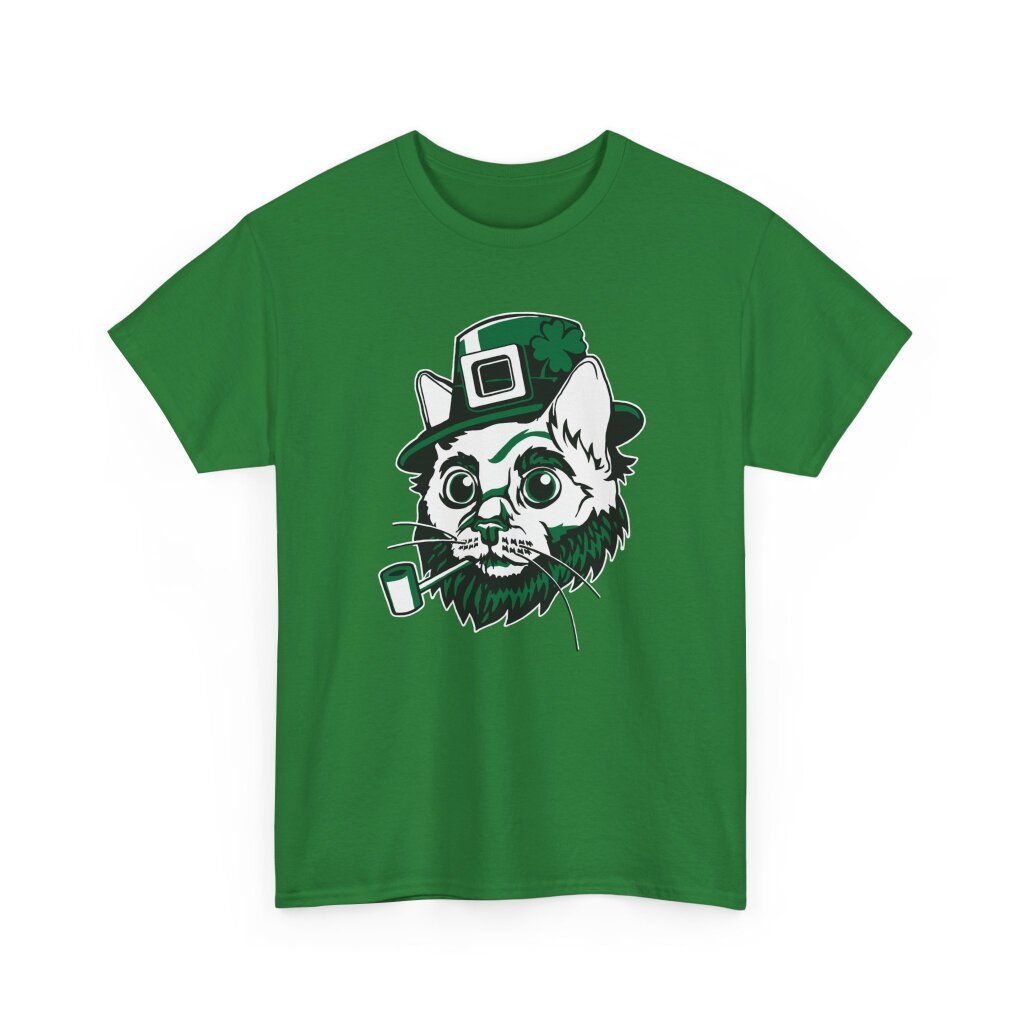
“Leprechaun Cat” Unisex T-Shirt – Purrfectly Lucky
Price range: $19.99 through $25.99 -

4-Leaf Clover USA Flag Unisex T-Shirt – Irish American Pride Tee in Green for Heritage & Gifting
Price range: $22.99 through $27.89 -

American Grown with Irish Roots Unisex T-Shirt – USA & Ireland Flag Heritage Tee
Price range: $22.99 through $27.89 -

Biting Lip Irish Pop Art Unisex T-Shirt – Sexy Green Shamrock Tee with Glitter Vibes
Price range: $22.99 through $27.89